1. Specifications Comparison
| Feature | Samsung Galaxy Z Fold5 | Xiaomi Poco F6 Pro | Practical Impact |
|---|---|---|---|
| Design | |||
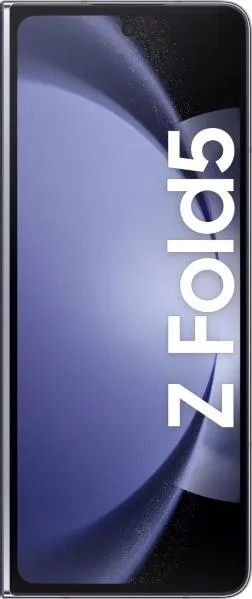
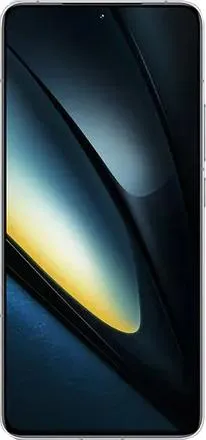
| Dimensions | 154.9 x 129.9 x 6.1 mm (folded) | 160.9 x 75 x 8.2 mm | Fold5 significantly smaller when folded, but larger unfolded. Pocketability vs. screen real estate trade-off. |
| Weight | 253g | 209g | Fold5 noticeably heavier due to folding mechanism. Impacts one-handed use and portability. |
| Foldable | Yes | No | Fold5 offers unique flexibility for multitasking and content consumption but introduces potential durability concerns and bulk. |
| Display | |||
| Display Size | 7.6" (unfolded), ~6.2" (cover screen) | 6.67" | Fold5 offers significantly larger screen real estate when unfolded, benefiting productivity and media consumption. |
| Display Type | Foldable Dynamic AMOLED 2X | AMOLED | Fold5's folding display technology enables unique form factor but may have crease visibility and durability concerns. |
| Resolution | 1812 x 2176 (unfolded) | 1440 x 3200 | Both offer sharp displays, but Fold5's lower pixel density on the larger screen might be noticeable in direct comparison. |
| Refresh Rate | 120Hz | 120Hz | Both offer smooth scrolling and animations. |
| Peak Brightness | Not specified | 4000 nits | Poco F6 Pro offers superior outdoor visibility due to significantly higher peak brightness. Fold5's unspecified brightness limits comprehensive comparison. |
| Performance | |||
| Chipset | Snapdragon 8 Gen 2 (4 nm) | Snapdragon 8 Gen 2 (4 nm) | Both phones offer top-tier performance with minimal differences in processing power. Slight variations in specific chip variants (SM8550-AC vs. SM8550-AB) may exist but detailed performance differences are unclear without benchmarks. |
| CPU | Octa-core (1x3.36 GHz Cortex-X3 & 2x2.8 GHz Cortex-A715 & 2x2.8 GHz Cortex-A710 & 3x2.0 GHz Cortex-A510) | Octa-core (1x3.2 GHz Cortex-X3 & 2x2.8 GHz Cortex-A715 & 2x2.8 GHz Cortex-A710 & 3x2.0 GHz Cortex-A510) | Fold5 might have a slight performance edge due to the slightly higher clock speed of the prime core, but real-world difference would likely be negligible. |
| GPU | Adreno 740 | Adreno 740 | Similar graphics performance expected. |
| RAM/Storage | 12GB/512GB, 12GB/1TB | 12GB/512GB, 16GB/1TB | Poco F6 Pro offers a 16GB RAM option for potentially improved multitasking performance. |
| Battery | |||
| Capacity | 4400 mAh | 5000 mAh | Poco F6 Pro likely offers longer battery life due to larger capacity. Fold5's power consumption might be higher due to the larger unfolded display. |
| Camera | |||
| Video Capabilities | Up to 8K@30fps | Up to 8K@24fps, 720p@1920fps | Poco F6 Pro offers more extensive slow-motion video recording options. Detailed camera sensor specifications are missing, hindering a thorough comparison of image and video quality. |
2. Key Differences Analysis
Samsung Galaxy Z Fold5 Advantages:
- Folding Display: Unique form factor enabling larger screen real estate for multitasking and media consumption.
- More Compact When Folded: Enhanced pocketability compared to the Poco F6 Pro.
Xiaomi Poco F6 Pro Advantages:
- Larger Battery: Potentially significantly longer battery life.
- Brighter Display: Superior outdoor visibility.
- Lighter and Thinner (when comparing to Fold5 folded): More comfortable for one-handed use and carrying.
- Higher Resolution Main Display: Sharper image quality on the main display.
- More RAM in Top Configuration: 16GB RAM option available for power users.
- More Extensive Slow-Motion Video: Greater flexibility for creative video recording.
Trade-offs:
- Fold5: Larger screen and portability vs. weight, potential durability concerns, and higher price.
- Poco F6 Pro: Traditional slab design vs. the Fold5's unique folding capabilities.
3. User Profiles & Recommendations
Samsung Galaxy Z Fold5: Users who prioritize multitasking, large screen real estate for productivity and media consumption on the go, and value a unique, innovative device. Suitable for professionals, content creators, and heavy media consumers.
Xiaomi Poco F6 Pro: Users who prioritize performance, battery life, a bright display for outdoor use, and value for money. Suitable for gamers, power users, and those seeking a more traditional smartphone experience.
4. Decision Framework
Key Questions:
- How important is a large, foldable screen for your workflow and entertainment?
- What is your priority: portability and compactness or battery life and a brighter display?
- What is your budget and how much are you willing to pay for innovative features like a folding screen?
Scenario-Based Recommendations:
- Business professional who needs to review documents and presentations on the go: Galaxy Z Fold5.
- Gamer who prioritizes performance and long battery life: Poco F6 Pro.
- Content creator who needs a large screen for editing and a high-quality camera: Insufficient camera information to recommend definitively.
My Choice: Xiaomi Poco F6 Pro
While the Galaxy Z Fold5 offers a compelling and unique folding experience, the Poco F6 Pro better suits my personal needs and priorities. I value long battery life, a bright display for outdoor use, and a lighter, more pocketable device. The performance difference between the two phones is likely negligible for my usage, and the Poco F6 Pro offers this at a likely lower price point. The Fold5's folding screen is appealing, but the added weight, potential durability concerns, and crease visibility are trade-offs I'm not willing to make. The Poco F6 Pro's more extensive slow-motion video capabilities are also a bonus for occasional creative projects. Ultimately, the Poco F6 Pro provides a well-rounded package of performance, battery life, and display quality in a more traditional and arguably more reliable form factor.
