1. Specifications Comparison
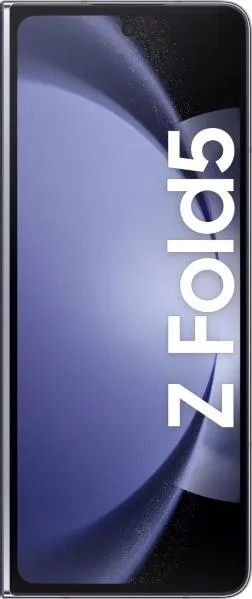
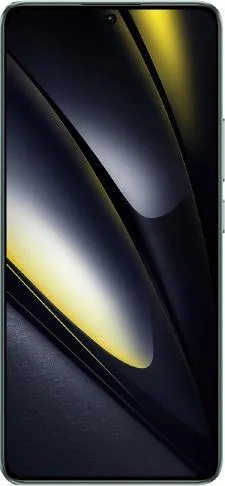
| Feature | Samsung Galaxy Z Fold5 | Xiaomi Poco F6 | Practical Impact |
|---|---|---|---|
| Design | |||
| Dimensions | 154.9 x 129.9 x 6.1 mm (folded) | 160.5 x 74.5 x 8 mm | Fold5 is significantly more compact when folded, but thicker and wider when unfolded. Poco F6 is a traditional slab phone design, easier to pocket. |
| Weight | 253g | 179g | Fold5 is noticeably heavier, impacting one-handed use and portability. |
| Foldable | Yes | No | Fold5 offers a larger inner screen for multitasking and media consumption, transforming into a more pocketable size when folded. |
| Display | |||
| Display Type | Foldable Dynamic AMOLED 2X | AMOLED | Fold5's folding display offers a unique experience with a crease down the middle. Poco F6 offers a standard flat display. |
| Size | 7.6" (unfolded), ~4.6" (cover screen) | 6.67" | Fold5 provides a significantly larger main screen for productivity and media but a smaller cover screen for quick interactions. Poco F6 provides a large, single screen. |
| Resolution | 1812 x 2176 (unfolded) | 1220 x 2712 | Both offer sharp displays, but the Poco F6 has a slightly higher pixel density (446 ppi vs 373 ppi on Fold5). |
| Refresh Rate | 120Hz | 120Hz | Both offer smooth scrolling and animations. |
| Peak Brightness | Not specified | 2400 nits | Poco F6's significantly higher peak brightness ensures better visibility in direct sunlight. We lack data for Fold5's peak brightness. |
| Performance | |||
| Chipset | Snapdragon 8 Gen 2 | Snapdragon 8+ Gen 3 | Poco F6 boasts a newer, slightly more powerful processor, likely resulting in faster performance and better efficiency. |
| CPU | Octa-core (1x3.36 GHz Cortex-X3 & ...) | Octa-core (1x3.0 GHz Cortex-X4 & ...) | While clock speeds differ, both CPUs offer top-tier performance. Real-world differences might be minimal for average users. |
| GPU | Adreno 740 | Adreno 735 | Poco F6 might have a slight edge in GPU performance but noticeable differences in gaming are unlikely. |
| RAM/Storage | 12GB/512GB, 12GB/1000GB | 12GB/512GB | Fold5 offers a 1TB storage option for users needing ample space. |
| Battery | |||
| Capacity | 4400 mAh | 5000 mAh | Poco F6 has a larger battery, potentially offering longer battery life. |
| Other | |||
| OS | Android 13 | Android 14 | Poco F6 ships with the newer Android version, offering potential feature and security advantages. |
| Price Range | Medium | Medium | Both are in the same price range, suggesting comparable overall value. |
2. Key Differences Analysis
Samsung Galaxy Z Fold5 Advantages:
- Folding Screen: Unique form factor enabling both a large tablet-like experience and pocketability.
- Multitasking: Larger screen real estate greatly enhances productivity.
- More Storage Options: Offers a 1TB option.
Xiaomi Poco F6 Advantages:
- Performance: Newer and potentially faster processor and GPU.
- Battery Life: Larger battery capacity suggests longer usage time.
- Brighter Display: Significantly higher peak brightness.
- Lighter and Thinner (traditional form factor): Easier for one-handed use and portability.
- Latest Android OS: Ships with Android 14.
3. User Profiles & Recommendations
Samsung Galaxy Z Fold5: Users who prioritize multitasking, large screen real estate for media consumption and productivity on the go, and value the unique foldable form factor. Suitable for professionals, content creators, and heavy media consumers.
Xiaomi Poco F6: Users who prioritize performance, battery life, a bright display, and prefer a traditional slab phone design. Suitable for gamers, power users, and those seeking an excellent price-to-performance ratio.
4. Decision Framework
Key Questions:
- Form Factor Preference: Do you value the flexibility and larger screen of a foldable phone, or prefer a traditional slab design?
- Performance vs. Portability: Do you prioritize raw performance and battery life, or portability and a compact folded size?
- Budget and Storage Needs: Does a 1TB storage option justify the potential price difference?
My Choice: Xiaomi Poco F6
While the Fold5's folding screen is innovative, the Poco F6's superior performance, battery life, brighter display, and lighter weight are more compelling for my personal needs. I prioritize a smooth and responsive user experience, all-day battery life, and outdoor visibility. The newer Snapdragon chip, larger battery, and brighter display of the Poco F6 offer a tangible benefit in daily use. Although the Fold5 offers a unique experience, the added weight and potential crease concerns, combined with the lack of information on peak brightness, make the Poco F6 a more practical and appealing choice for me. I value a reliable and powerful device for everyday tasks and entertainment, and the Poco F6 better aligns with those priorities. The foldable technology isn't quite mature enough for me yet, and I prefer a more traditional, reliable smartphone experience.
