1. Specifications Comparison
| Feature | Samsung Galaxy Z Fold5 | Xiaomi 14 Ultra | Practical Impact |
|---|---|---|---|
| Design | |||
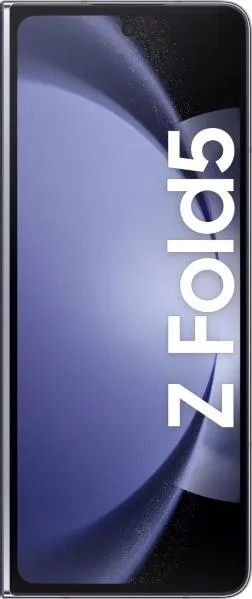
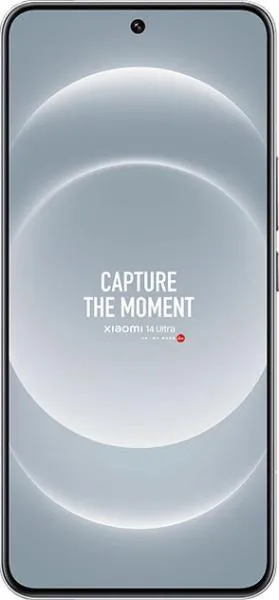
| Dimensions | 154.9 x 129.9 x 6.1 mm (folded) | 161.4 x 75.3 x 9.2 mm | Fold5 significantly more compact when folded, but thicker. Xiaomi 14 Ultra is a traditional slab design. |
| Weight | 253g | 229.5g | Fold5 noticeably heavier, impacting one-handed use. |
| Foldable | Yes | No | Fold5 offers a larger screen in a pocketable size, Xiaomi offers a more traditional experience. |
| Display | |||
| Size | 7.6" (unfolded), ~6.2" (cover screen) | 6.73" | Fold5 offers significantly more screen real estate when unfolded. Xiaomi's screen is large for a traditional phone. |
| Type | Foldable Dynamic AMOLED 2X | LTPO AMOLED | Fold5's folding screen enables unique multitasking and content consumption. Xiaomi offers potentially better battery efficiency due to LTPO. |
| Resolution | 1812 x 2176 | 1440 x 3200 | Comparable sharpness despite size difference. Xiaomi offers slightly higher pixel density. |
| Refresh Rate | 120Hz | 120Hz | Both offer smooth scrolling and animations. |
| Peak Brightness | Not specified | 3000 nits | Xiaomi's significantly higher peak brightness ensures excellent outdoor visibility. The lack of data for the Fold5 prevents a complete comparison. |
| Performance | |||
| Chipset | Snapdragon 8 Gen 2 | Snapdragon 8 Gen 3 | Xiaomi boasts a newer, more powerful processor, likely resulting in faster performance and better efficiency. |
| CPU | Octa-core (up to 3.36 GHz) | Octa-core (up to 3.3 GHz) | While clock speeds are similar, architectural improvements in the 8 Gen 3 likely give Xiaomi an edge in performance. |
| GPU | Adreno 740 | Adreno 750 | Xiaomi's improved GPU should offer better gaming and graphics performance. |
| RAM | 12GB | 16GB | Xiaomi provides more RAM, enabling better multitasking and potentially smoother performance with demanding apps. |
| Storage | 512GB/1TB | 512GB | Similar high-end storage options. |
| Battery | |||
| Capacity | 4400 mAh | 5000 mAh | Xiaomi offers a larger battery capacity, likely translating to longer battery life. |
2. Key Differences Analysis
Samsung Galaxy Z Fold5 Advantages:
- Foldable Form Factor: The unique folding design offers a large screen in a compact device, enhancing productivity and media consumption.
- Multitasking: The large inner display enables efficient split-screen multitasking and app continuity.
Xiaomi 14 Ultra Advantages:
- Superior Performance: The Snapdragon 8 Gen 3, coupled with 16GB RAM, delivers significantly faster performance for demanding tasks and gaming.
- Brighter Display: The 3000 nit peak brightness ensures excellent outdoor visibility.
- Larger Battery: The 5000 mAh battery promises longer usage time.
- Improved Camera Features: While not detailed in the provided specs, the "14 Ultra" branding suggests a focus on camera capabilities, likely exceeding the Fold5.
Trade-offs:
- Fold5: Durability concerns associated with foldable displays, higher price point, heavier weight.
- Xiaomi 14 Ultra: Lack of foldable functionality, less pocketable.
3. User Profiles & Recommendations
Samsung Galaxy Z Fold5: Ideal for users who prioritize portability and large screen real estate for productivity and multimedia. Suitable for professionals, content creators, and heavy multitaskers.
Xiaomi 14 Ultra: Best suited for users seeking top-tier performance, long battery life, and a bright display. Ideal for power users, gamers, and photography enthusiasts.
4. Decision Framework
Key Questions for Buyers:
- Form Factor Priority: Do you value portability and a large foldable screen over a traditional slab phone design?
- Performance Needs: How important is raw processing power and gaming performance?
- Budget Considerations: Both phones are in the "medium price" range but likely differ in actual cost. Which offers the best value for your needs?
At the end, write what you would choose and explain why!
I would choose the Xiaomi 14 Ultra. While the Fold5's innovative form factor is tempting, the Xiaomi 14 Ultra offers a more well-rounded package for my needs. The superior performance of the Snapdragon 8 Gen 3, combined with the larger battery and brighter display, are compelling advantages. I prioritize a smooth and powerful user experience, especially for tasks like gaming and photography, where the 14 Ultra likely excels. While I appreciate the Fold5's multitasking capabilities, I personally find a traditional slab phone more comfortable for everyday use. The potential price difference wouldn't be a significant deciding factor for me, as I prioritize performance and longevity.
