1. Specifications Comparison
| Feature | Samsung Galaxy Z Fold5 | Xiaomi 13T Pro | Practical Impact |
|---|---|---|---|
| Design | |||
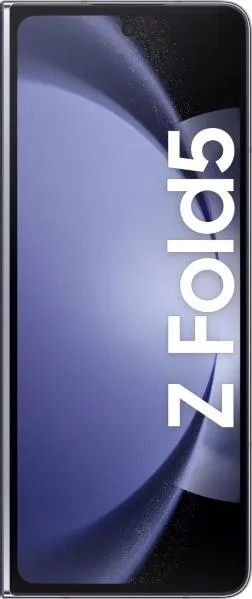
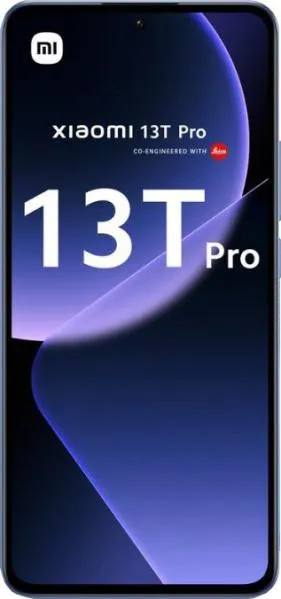
| Dimensions | 154.9 x 129.9 x 6.1 mm (folded) | 162.2 x 75.7 x 8.5 mm | Fold5 is significantly more compact when folded, but thicker and potentially less comfortable in a pocket when unfolded. 13T Pro is a more traditional, slim smartphone design. |
| Weight | 253g | 200g | Fold5 is noticeably heavier, which can be tiring for extended use. 13T Pro is lighter and more comfortable for one-handed operation. |
| Foldable | Yes | No | Fold5 offers a larger screen in a compact device, transforming into a tablet-like experience. 13T Pro provides a standard smartphone form factor. |
| Display | |||
| Size | 7.6" (main), ~6.2" (cover) | 6.67" | Fold5 offers a significantly larger main display for multitasking and media consumption. The cover screen allows for quick interactions without unfolding. 13T Pro has a large display for a traditional smartphone, but smaller than the unfolded Fold5. |
| Type | Foldable Dynamic AMOLED 2X | AMOLED | Fold5's folding display technology allows for unique use cases but introduces a crease and potential durability concerns. 13T Pro uses a standard, robust AMOLED display. |
| Refresh Rate | 120Hz | 144Hz | Both offer smooth scrolling and animations. 13T Pro's slightly higher refresh rate might be noticeable in fast-paced games, but the difference is minimal in everyday use. |
| Peak Brightness | Not specified | 2600 nits | 13T Pro's exceptionally high peak brightness ensures excellent outdoor visibility. The lack of data for Fold5 prevents a direct comparison in this area. |
| Resolution | 1812 x 2176 | 1220 x 2712 | Fold5 offers a higher resolution when unfolded, resulting in sharper images and text. 13T Pro's resolution is sharp for its size. |
| Performance | |||
| Chipset | Snapdragon 8 Gen 2 | Dimensity 9200+ | Both are top-tier chipsets offering excellent performance. Benchmark comparisons are needed for definitive conclusions on real-world performance differences. |
| CPU | Octa-core (1x3.36 GHz Cortex-X3 & 2x2.8 GHz Cortex-A715 & 2x2.8 GHz Cortex-A710 & 3x2.0 GHz Cortex-A510) | Octa-core (1x3.35 GHz Cortex-X3 & 3x3.0 GHz Cortex-A715 & 4x2.0 GHz Cortex-A510) | Both CPUs offer high performance. Subtle core configuration differences may lead to minor variations in specific tasks. |
| GPU | Adreno 740 | Immortalis-G715 MC11 | Both GPUs are powerful. Gaming benchmarks would be necessary to determine which provides a superior gaming experience. |
| RAM | 12GB | 12GB/16GB | Both offer ample RAM for smooth multitasking. The 16GB option on the 13T Pro provides additional headroom for demanding applications and future-proofing. |
| Battery | |||
| Capacity | 4400 mAh | 5000 mAh | 13T Pro offers a larger battery, potentially translating to longer battery life. Fold5's larger display and foldable mechanism might consume more power. |
| Other | |||
| Price Range | Medium | Medium | Both phones fall within the same price range, suggesting comparable overall value. Specific pricing needs to be considered for a definitive comparison. |
2. Key Differences Analysis
Samsung Galaxy Z Fold5 Advantages:
- Foldable Design: The unique form factor allows for a larger screen in a pocket-sized device, enabling tablet-like functionality on the go.
- Higher Resolution on Main Display: Sharper images and text compared to the 13T Pro when unfolded.
Xiaomi 13T Pro Advantages:
- Lighter and More Ergonomic: More comfortable for one-handed use and extended periods.
- Larger Battery: Potentially longer battery life.
- Higher Peak Brightness: Superior outdoor visibility.
- Higher Refresh Rate: Smoother experience in fast-paced content, though the difference might be minimal in everyday use.
- Potentially More Affordable: While both are in the "medium" price range, specific pricing might reveal the 13T Pro to be more budget-friendly.
3. User Profiles & Recommendations
Samsung Galaxy Z Fold5: Ideal for users who prioritize portability and a large screen for multitasking, media consumption, and productivity on the go. Suitable for those willing to pay a premium for the innovative foldable technology.
Xiaomi 13T Pro: Suited for users who prefer a traditional smartphone experience with excellent performance, a long-lasting battery, and a bright display. A good choice for those seeking a balance between features and price.
4. Decision Framework
Key Questions for Buyers:
- Form Factor: Is a foldable design with a larger inner screen a priority, or is a traditional smartphone form factor preferred?
- Battery Life: How important is all-day battery life without needing to recharge?
- Budget: What is the maximum budget, and how much value is placed on the foldable technology versus other features?
My Choice: Xiaomi 13T Pro
While the Galaxy Z Fold5's foldable technology is undeniably impressive, the Xiaomi 13T Pro better suits my needs and priorities. I value a lighter, more ergonomic phone for comfortable everyday use. The 13T Pro's larger battery, brighter display, and potentially lower price are compelling advantages. The Fold5's folding screen, while innovative, introduces potential durability concerns and a price premium that I'm not willing to pay for. I prioritize practical usability and long-term value, making the 13T Pro the more sensible choice for me. The slightly higher refresh rate and the powerful Dimensity 9200+ are also attractive features, promising a smooth and responsive user experience. Ultimately, I prefer a reliable and comfortable device with excellent performance and battery life over the novelty of a foldable screen.
