1. Specifications Comparison
| Feature | Samsung Galaxy Z Fold5 | Xiaomi 13T | Practical Impact |
|---|---|---|---|
| Design | |||
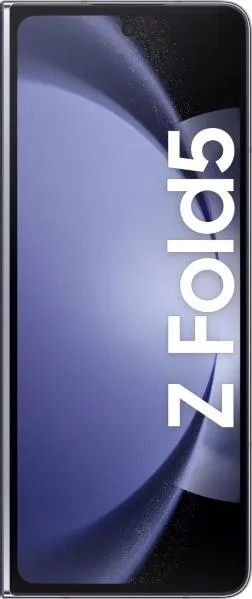
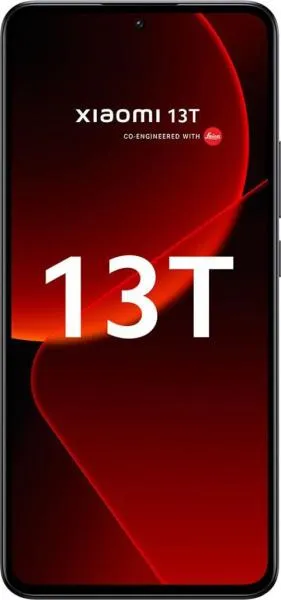
| Dimensions | 154.9 x 129.9 x 6.1 mm (folded) | 162.2 x 75.7 x 8.5 mm | Fold5 is significantly more compact when folded, but thicker and potentially less comfortable in a pocket when unfolded. The 13T offers a more traditional, slim smartphone design. |
| Weight | 253g | 219g | The Fold5 is noticeably heavier, which can impact prolonged single-hand use. |
| Foldable | Yes | No | Fold5 offers a larger screen real estate for multitasking and media consumption when unfolded. The 13T provides a conventional smartphone experience. |
| Display | |||
| Size | 7.6" (main), Cover screen unspecified | 6.67" | Fold5's unfolded screen offers a tablet-like experience. 13T has a large, but standard smartphone screen size. We lack details on the Fold5's cover screen for comparison when folded. |
| Type | Foldable Dynamic AMOLED 2X | AMOLED | Fold5 utilizes a cutting-edge foldable display technology, while the 13T boasts a high-quality, traditional AMOLED screen. |
| Refresh Rate | 120Hz | 144Hz | 13T offers slightly smoother scrolling and animations, though both are high refresh rate displays and the difference may be imperceptible to many users. |
| Peak Brightness | Unspecified | 2600 nits | The 13T's significantly higher peak brightness ensures excellent outdoor visibility. We cannot compare this aspect to the Fold5 without its peak brightness specification. |
| Resolution | 1812 x 2176 | 1220 x 2712 | Fold5 offers a higher resolution when unfolded, leading to sharper images and text. The 13T's resolution is also high, resulting in a sharp display for its size. |
| Performance | |||
| Chipset | Snapdragon 8 Gen 2 | Dimensity 8200 Ultra | Both are high-end chipsets, but the Snapdragon 8 Gen 2 generally benchmarks higher in terms of raw performance. |
| CPU | Octa-core (1x3.36 GHz Cortex-X3 & 2x2.8 GHz Cortex-A715 & 2x2.8 GHz Cortex-A710 & 3x2.0 GHz Cortex-A510) | Octa-core (1x3.1 GHz Cortex-A78 & 3x3.0 GHz Cortex-A78 & 4x2.0 GHz Cortex-A55) | Both CPUs offer excellent performance, but the Snapdragon in the Fold 5 likely provides a slight edge in demanding tasks. |
| GPU | Adreno 740 | Mali-G610 MC6 | Adreno 740 generally offers better gaming performance compared to the Mali-G610 MC6. |
| RAM | 12GB | 12GB | Both phones have ample RAM for multitasking and smooth operation. |
| Battery | |||
| Capacity | 4400 mAh | 5000 mAh | The 13T has a larger battery capacity, potentially offering longer battery life. However, the Fold5's larger display may consume more power, offsetting this advantage. |
2. Key Differences Analysis
Samsung Galaxy Z Fold5 Advantages:
- Foldable Design: The unique foldable design offers a larger screen for multitasking and media consumption, transforming from a phone to a mini-tablet.
- Potentially Superior Performance: The Snapdragon 8 Gen 2 generally provides a slight performance edge over the Dimensity 8200 Ultra.
Xiaomi 13T Advantages:
- Larger Battery: The 5000 mAh battery likely provides longer battery life compared to the Fold5.
- Higher Refresh Rate Display: The 144Hz display provides slightly smoother animations and scrolling.
- Brighter Display: With a peak brightness of 2600 nits, the 13T offers superior outdoor visibility.
- Lighter and Slimmer (when unfolded): More comfortable for one-handed use and pocket portability.
Trade-offs:
- Fold5: Higher price, heavier weight, potentially shorter battery life, crease in the folding display.
- 13T: Lacks the versatility of a foldable screen, less powerful chipset.
3. User Profiles & Recommendations
Fold5: Ideal for users who prioritize multitasking, large screen real estate for productivity and media consumption, and value the novelty and flexibility of a foldable device. Use cases include: editing documents on the go, watching videos, mobile gaming, using multiple apps simultaneously.
13T: Ideal for users who prioritize battery life, a smooth and bright display, and a more traditional smartphone experience at a potentially lower price point. Use cases include: everyday smartphone tasks, web browsing, social media, casual gaming, photography.
4. Decision Framework
Key Questions for Buyers:
- How important is portability and one-handed use? The Fold5's weight and size when unfolded might be a concern.
- Is a foldable screen a must-have feature? This significantly impacts the user experience and price.
- What is your budget? Foldable phones generally command a premium price.
Scenario-based Recommendations:
- Frequent Traveler: The Fold5's larger screen is beneficial for productivity and entertainment on the go, but the 13T might be preferred for its lighter weight and longer battery life.
- Power User: Both phones are powerful, but the Fold5's potential performance edge and larger screen might be more appealing.
- Budget-Conscious User: The 13T likely offers better value due to its lower price while still providing excellent performance and features.
My Choice: Xiaomi 13T
While the innovative foldable design of the Fold5 is tempting, the Xiaomi 13T better suits my personal needs and priorities. The significantly brighter display, larger battery, and lighter weight are crucial factors for my daily usage. I prioritize a comfortable, long-lasting phone for everyday tasks, and the 13T excels in these areas. While I appreciate the Fold5's larger screen for multitasking, it comes with trade-offs in weight, battery, and price that are not justifiable for my personal use case. The 144Hz refresh rate is a welcome bonus, although I acknowledge the difference from 120Hz might be minimal in practice. Ultimately, the 13T strikes a better balance between performance, features, and practicality for me. The missing specifications for the Fold5, particularly peak brightness and cover screen size, also hinder a complete comparison and make a stronger case for the 13T given the available information.
