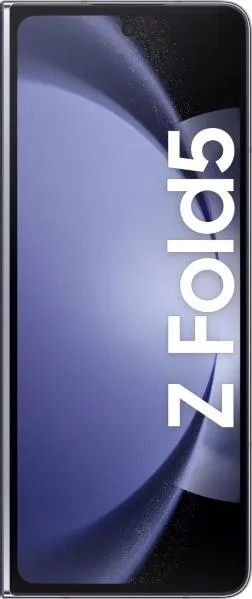
1. Specifications Comparison
| Feature | Samsung Galaxy Z Fold5 | Phone 8 | Practical Impact |
|---|---|---|---|
| Design | |||
| Dimensions | 154.9 x 129.9 x 6.1 mm (folded) | 162 x 75.1 x 8.7 mm | Fold5 is significantly more compact when folded, but thicker. Phone 8 is a traditional slab design. Fold5's foldability offers unique portability and a larger screen in a pocketable device, but introduces a crease and potential durability concerns. |
| Weight | 253g | 191g | Phone 8 is noticeably lighter, making it more comfortable for extended use. Fold5's weight is understandable given its complex hinge and larger display. |
| Foldable | Yes | No | Fold5's foldable design allows for a larger inner display for multitasking and media consumption. |
| Display | |||
| Size | 7.6" (unfolded), Cover screen size not specified | 6.78" | Fold5 offers a significantly larger main display area for multitasking and immersive experiences. Missing cover screen specs limit comparison. |
| Type | Foldable Dynamic AMOLED 2X | LTPO AMOLED | Both offer vibrant colors and deep blacks. LTPO on Phone 8 allows for dynamic refresh rate adjustment, potentially saving battery. |
| Resolution | 1812 x 2176 | 1264 x 2780 | Fold5 has a slightly lower resolution but a higher pixel density due to the smaller unfolded screen size. Practical difference in sharpness is negligible. |
| Refresh Rate | 120Hz | 120Hz | Both offer smooth scrolling and animations. |
| Peak Brightness | Not specified | 6000 nits | Phone 8 boasts significantly higher peak brightness, ensuring excellent outdoor visibility. Lack of data for Fold5 prevents direct comparison. |
| Performance | |||
| Chipset | Snapdragon 8 Gen 2 | Snapdragon 7+ Gen 3 | Fold5 features a flagship-level processor, offering superior performance in demanding tasks and gaming. Phone 8 uses a mid-range chip, sufficient for everyday use but less powerful. |
| CPU | Octa-core (1x3.36 GHz Cortex-X3 & ...) | Octa-core (1x2.8 GHz Cortex-X4 & ...) | Fold5's CPU configuration suggests a performance advantage, particularly in single-core performance. |
| GPU | Adreno 740 | Adreno 732 | Fold5 has a more powerful GPU, enabling smoother gaming and faster graphics rendering. |
| RAM | 12GB | 12GB | Both offer ample RAM for multitasking. |
| Storage | 512GB/1TB | 512GB | Comparable storage options. |
| Battery | |||
| Capacity | 4400 mAh | 5500 mAh | Phone 8 has a significantly larger battery, potentially leading to longer battery life. Fold5's smaller battery capacity is likely due to space constraints imposed by its foldable design. |
| Other | |||
| OS | Android 13 | Android 14 | Phone 8 ships with a newer Android version, potentially offering newer features and longer software support. |
2. Key Differences Analysis
Samsung Galaxy Z Fold5 Advantages:
- Foldable Design: Offers a unique form factor with a larger inner display for productivity and media consumption.
- Flagship Performance: Snapdragon 8 Gen 2 delivers top-tier performance.
Phone 8 Advantages:
- Larger Battery: 5500 mAh battery likely provides significantly longer battery life.
- Brighter Display: 6000 nits peak brightness ensures excellent outdoor visibility.
- Lighter and Thinner (when unfolded): More comfortable for one-handed use and carrying in a pocket.
- Newer OS: Ships with Android 14, potentially offering longer software support.
3. User Profiles & Recommendations
Samsung Galaxy Z Fold5: Ideal for users who prioritize a large screen for multitasking, media consumption, and unique portability. Suitable for power users and those who value innovation.
Phone 8: Suitable for users who prioritize battery life, bright display, and a more traditional smartphone experience. A good choice for those seeking a balance between performance and affordability.
4. Decision Framework
Key Questions for Buyers:
- How important is screen size and portability? A large foldable screen vs. a traditional large screen.
- What is your budget and performance requirement? Flagship vs. mid-range chipset.
- How important is battery life? Larger battery in Phone 8 vs. potentially shorter battery life in Fold5.
My Choice: Phone 8
While the Z Fold5 is innovative and powerful, I would choose Phone 8. My priorities lie in a long-lasting battery, a bright display for outdoor use, and a comfortable, lightweight design for everyday carry. The Snapdragon 7+ Gen 3 is powerful enough for my needs, and the significant difference in battery capacity (5500 mAh vs. 4400 mAh) is a deciding factor. Although I appreciate the Fold5's unique features, the trade-offs in battery life, weight, and potentially higher price are not compelling enough for my personal use. The newer Android version on Phone 8 also suggests longer software updates and new features. Finally, the lack of key specifications for the Z Fold 5, like the cover screen size and peak brightness, makes a complete comparison difficult.
