1. Specifications Comparison
| Feature | Samsung Galaxy Z Fold5 | Motorola Moto G54 | Practical Impact |
|---|---|---|---|
| Design | |||
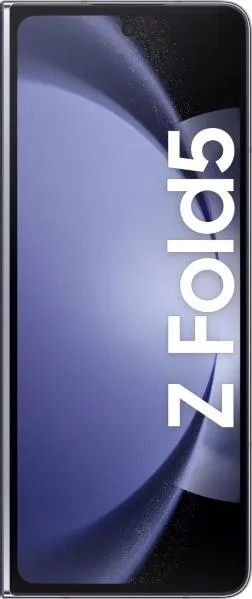
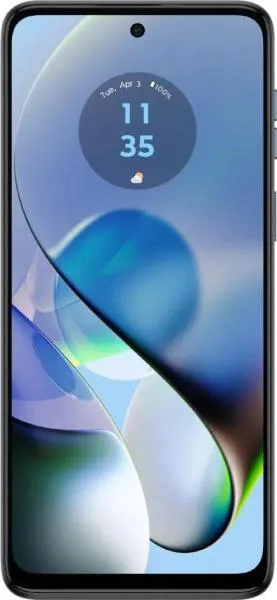
| Dimensions | 154.9 x 129.9 x 6.1 mm (folded) | 161.6 x 73.8 x 8 mm | Fold5 significantly more compact when folded, but thicker; Moto G54 more pocketable when unfolded. |
| Weight | 253g | 177g | Fold5 noticeably heavier; Moto G54 easier to hold for extended periods. |
| Foldable | Yes | No | Fold5 offers larger screen real estate and unique multitasking capabilities; Moto G54 offers a traditional smartphone experience. |
| Build Materials | Missing | Missing | Build quality and durability cannot be assessed without this information. |
| Display | |||
| Display Type | Foldable Dynamic AMOLED 2X | IPS LCD | Fold5 provides significantly better contrast, colors, and viewing angles; potential for screen creasing. Moto G54's LCD is less vibrant but potentially more durable. |
| Size | 7.6" (unfolded) | 6.5" | Fold5 offers a tablet-like experience when unfolded; Moto G54 provides a standard smartphone screen size. |
| Resolution | 1812 x 2176 | 1080 x 2400 | Fold5 has a sharper display (373 ppi vs 405 ppi when comparing main displays). |
| Refresh Rate | 120Hz | 120Hz | Both offer smooth scrolling and animations. |
| Peak Brightness | Missing | Missing | Cannot compare outdoor visibility without this information. |
| Performance | |||
| Chipset | Snapdragon 8 Gen 2 | Mediatek Dimensity 7020 | Fold5 offers significantly more processing power for demanding tasks and gaming. |
| CPU | Octa-core (1x3.36 GHz Cortex-X3 & 2x2.8 GHz Cortex-A715 & 2x2.8 GHz Cortex-A710 & 3x2.0 GHz Cortex-A510) | Octa-core (2x2.2 GHz Cortex-A78 & 6x2.0 GHz Cortex-A55) | Fold5 has a more powerful and efficient CPU architecture. |
| GPU | Adreno 740 | IMG BXM-8-256 | Fold5 offers superior graphics performance for gaming and visually demanding applications. |
| RAM/Storage | 12GB/512GB, 12GB/1000GB | 8GB/256GB | Fold5 provides more RAM for multitasking and larger storage options. |
| Camera | |||
| Rear Camera | Missing specific details | Missing specific details | Detailed camera specifications are needed for comparison (e.g., sensor size, aperture, megapixels). Video capabilities suggest Fold5 offers higher resolution and frame rate options. |
| Battery | |||
| Capacity | 4400 mAh | 5000 mAh | Moto G54 has a larger battery capacity, potentially offering longer battery life. Fold5's larger, high-refresh-rate display may consume more power. |
2. Key Differences Analysis
Samsung Galaxy Z Fold5 Advantages:
- Foldable Design: Offers a unique, large-screen experience for productivity and media consumption.
- Superior Performance: Significantly more powerful processor and graphics for demanding tasks and gaming.
- Sharper Display: Higher resolution and AMOLED technology provide a more vibrant and detailed visual experience.
Motorola Moto G54 Advantages:
- Lower Weight and Traditional Form Factor: More pocketable and comfortable for one-handed use.
- Larger Battery Capacity: Potentially longer battery life.
- Potentially Lower Price: While both are mid-range, the Moto G54 is likely more affordable.
Trade-offs:
- Fold5: Higher price, heavier, potential for screen creasing.
- Moto G54: Less powerful, less impressive display.
3. User Profiles & Recommendations
Fold5 Ideal User: Power users, multitaskers, content creators, those who value a large screen for productivity and entertainment.
Moto G54 Ideal User: Budget-conscious users, those who prioritize battery life and a traditional smartphone experience.
4. Decision Framework
Key Questions:
- Budget: How much are you willing to spend?
- Priorities: Do you prioritize performance, screen size/quality, or battery life?
- Use Case: Will you utilize the foldable screen's capabilities, or prefer a traditional form factor?
My Choice: Samsung Galaxy Z Fold5
While the Moto G54 offers a compelling value proposition with its larger battery and likely lower price, the Samsung Galaxy Z Fold5's innovative foldable design and superior performance are more appealing to me. The larger, high-quality display provides a significant advantage for productivity and media consumption, outweighing the trade-offs of higher price and weight. I value the flexibility and power offered by the Fold5 and am willing to pay the premium for these features. The Snapdragon 8 Gen 2's significant performance advantage over the Dimensity 7020 would provide a smoother and more capable user experience in the long run. I am also willing to adapt to the foldable form factor and potential for screen creasing.
