1. Specifications Comparison
| Feature | Samsung Galaxy Z Fold5 | Motorola Moto G24 Power | Practical Impact |
|---|---|---|---|
| Design | |||
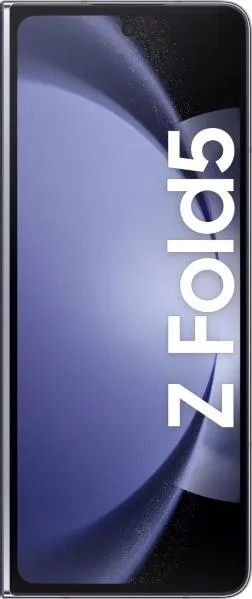
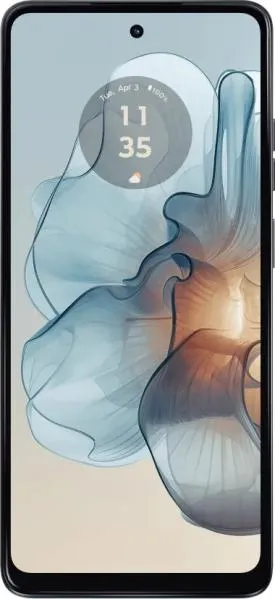
| Dimensions | 154.9 x 129.9 x 6.1 mm (folded) | 163.5 x 74.5 x 9 mm | Fold5 is significantly more compact when folded, but thicker. G24 Power is a standard slab design. |
| Weight | 253g | 197g | Fold5 is noticeably heavier. |
| Foldable | Yes | No | Fold5 offers a larger screen in a pocketable device. G24 Power is more traditional. |
| Build Material | Missing | Missing | Build quality and durability cannot be compared without this information. |
| Display | |||
| Display Type | Foldable Dynamic AMOLED 2X | IPS LCD | Fold5 offers significantly better contrast, colors, and viewing angles. |
| Size | 7.6" (unfolded) | 6.56" | Fold5 provides a much larger screen real estate for multitasking and media consumption. |
| Resolution | 1812 x 2176 | 720 x 1612 | Fold5 has a drastically sharper and more detailed display. |
| Refresh Rate | 120Hz | 90Hz | Fold5 offers smoother scrolling and animations. |
| Peak Brightness | Missing | 537 nits | Outdoor visibility comparison is impossible without Fold5's peak brightness. |
| Performance | |||
| Chipset | Snapdragon 8 Gen 2 (4nm) | MediaTek Helio G85 (12nm) | Fold5 offers significantly faster processing speeds and better graphics performance for demanding tasks and gaming. |
| CPU | Octa-core (1x3.36 GHz Cortex-X3 & ...) | Octa-core (2x2.0 GHz Cortex-A75 & ...) | Fold5's CPU architecture is superior, enabling faster and more efficient performance. |
| GPU | Adreno 740 | Mali-G52 MC2 | Fold5 will handle graphically intensive tasks and games much better. |
| RAM | 12GB | 8GB | Fold5 offers more RAM for smoother multitasking and app switching. |
| Storage | 512GB/1TB | 128GB | Fold5 provides significantly more storage space. |
| Camera | Missing detailed specs for both phones | Missing detailed specs for both phones | Camera performance comparison is impossible without detailed sensor and lens information. |
| Video Capabilities | 8K@30fps, 4K@60fps... | 1080p@30fps | Fold5 offers significantly higher video resolution and frame rate options for professional-grade recording. |
| Battery | |||
| Capacity | 4400 mAh | 6000 mAh | G24 Power offers a much larger battery capacity, potentially lasting significantly longer on a single charge. |
2. Key Differences Analysis
Samsung Galaxy Z Fold5 Advantages:
- Superior Display: Foldable design with a much larger, sharper, and smoother display. Ideal for multitasking, media consumption, and productivity.
- Flagship Performance: High-end chipset and ample RAM deliver a smooth and powerful experience for demanding tasks and gaming.
- More Storage: Offers more storage options for large files and applications.
Motorola Moto G24 Power Advantages:
- Longer Battery Life: Significantly larger battery capacity for extended usage without recharging.
- Lower Price: Positioned in the low price range, offering excellent value for budget-conscious consumers.
- Simpler Design: Traditional slab phone design, potentially more durable and familiar for some users.
3. User Profiles & Recommendations
Samsung Galaxy Z Fold5 Ideal User: Power users, multitaskers, content creators, and those seeking the latest technology and a unique foldable experience.
Motorola Moto G24 Power Ideal User: Budget-conscious users, those prioritizing long battery life, and individuals who prefer a simple and reliable smartphone experience.
4. Decision Framework
Key Questions for Buyers:
- What is your budget? The Fold5 is significantly more expensive.
- What are your primary use cases? Power users will appreciate the Fold5's performance and display; battery life is paramount for others.
- Do you value a foldable design? The Fold5's unique form factor offers portability and a larger screen, while the G24 Power offers a more traditional experience.
My Choice: Samsung Galaxy Z Fold5
While the Motorola Moto G24 Power offers incredible battery life and value, I would choose the Samsung Galaxy Z Fold5. The foldable form factor and stunning display are game-changers for my workflow. The significantly faster performance and larger storage are crucial for my productivity needs. I often use my phone for multitasking, content creation, and consuming media on the go, and the Fold5 excels in all these areas. I am willing to compromise on battery life (and carry a power bank if needed) for the significant benefits the Fold5 provides. The price difference is substantial, but the Fold5's unique features and superior performance justify the premium for my specific needs.
