1. Specifications Comparison
| Feature | Samsung Galaxy Z Fold5 | Google Pixel 8a | Practical Impact |
|---|---|---|---|
| Design | |||
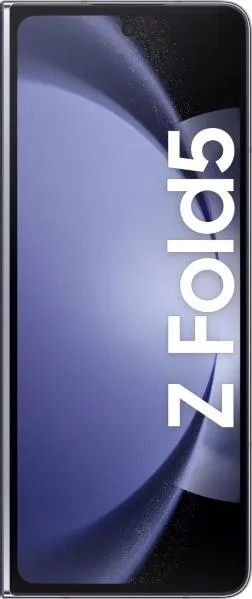
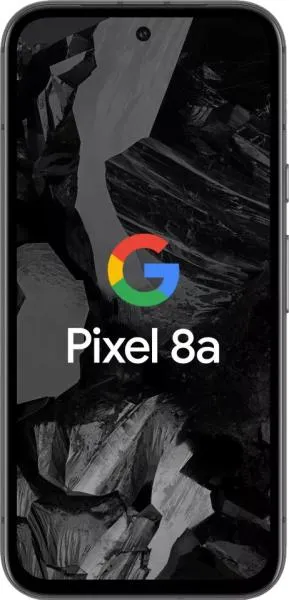
| Dimensions | 154.9 x 129.9 x 6.1 mm (unfolded) | 152.1 x 72.7 x 8.9 mm | Fold5 significantly larger unfolded, Pixel 8a much more pocketable |
| Weight | 253g | 188g | Fold5 noticeably heavier, can be tiring for extended use |
| Foldable | Yes | No | Fold5 offers larger screen real estate and multitasking capabilities |
| Display | |||
| Display Size | 7.6" (unfolded), Cover screen unspecified | 6.1" | Fold5 provides a tablet-like experience when unfolded |
| Display Type | Foldable Dynamic AMOLED 2X | OLED | Fold5's crease may be visible, Pixel 8a offers a traditional flat display |
| Resolution | 1812 x 2176 | 1080 x 2400 | Fold5 sharper due to higher resolution, but difference negligible in real-world use |
| Refresh Rate | 120Hz | 120Hz | Both offer smooth scrolling and animations |
| Peak Brightness | Unspecified | 2000 nits | Pixel 8a's superior peak brightness ensures better outdoor visibility |
| Performance | |||
| Chipset | Snapdragon 8 Gen 2 | Google Tensor G3 | Both are flagship-level chipsets, but benchmarks needed for definitive comparison |
| CPU | Octa-core (1x3.36 GHz Cortex-X3 & 2x2.8 GHz Cortex-A715 & 2x2.8 GHz Cortex-A710 & 3x2.0 GHz Cortex-A510) | Nona-core (1x3.0 GHz Cortex-X3 & 4x2.45 GHz Cortex-A715 & 4x2.15 GHz Cortex-A510) | Core configurations suggest similar performance, real-world usage will depend on optimization |
| GPU | Adreno 740 | Immortalis-G715s MC10 | Adreno 740 generally considered more powerful, impacting gaming and demanding tasks |
| RAM/Storage | 12GB/512GB, 12GB/1000GB | 8GB/256GB | Fold5 offers more RAM and storage options for power users |
| Battery | |||
| Capacity | 4400 mAh | 4492 mAh | Similar battery capacities, real-world battery life depends on usage and optimization |
| Camera | |||
| Video Capabilities | 8K@30fps, 4K@60fps... | 4K@60fps, 1080p@240fps... | Both offer extensive video recording options; Fold5 boasts 8K recording |
| Other | |||
| OS | Android 13 | Android 14 | Pixel 8a comes with the latest Android version and likely longer software support |
| Price Range | Medium | Medium | Actual price comparison needed for accurate assessment |
2. Key Differences Analysis
Fold5 Advantages:
- Larger, Foldable Screen: Enables multitasking, content consumption, and productivity on a larger canvas.
- More Powerful GPU: Likely better for demanding games and graphical applications.
- More RAM and Storage Options: Caters to power users needing ample resources.
Pixel 8a Advantages:
- More Compact and Lighter: Easier to carry and use with one hand.
- Brighter Display: Enhanced outdoor visibility.
- Latest Android Version with Longer Support: Ensures up-to-date features and security patches for a longer period.
- Potentially Lower Price: Speculated based on historical Pixel 'a' series pricing.
Trade-offs:
- Fold5: Larger size and weight for the foldable screen and higher performance. Potential higher price.
- Pixel 8a: Smaller screen compared to unfolded Fold5. Less powerful GPU.
3. User Profiles & Recommendations
Fold5: Users who prioritize productivity, multitasking, and a large screen experience. Ideal for content creators, professionals, and heavy media consumers.
Pixel 8a: Users who prefer a compact and lightweight phone with a great camera, long software updates, and potentially a lower price. Suitable for everyday users, students, and those focused on portability.
4. Decision Framework
Key Questions:
- How important is screen size and multitasking?
- Do you prioritize portability and one-handed use?
- What is your budget and how important is long-term software support?
Scenario-Based Recommendations:
- Business Professional: Fold5 for multitasking and productivity on the go.
- Student on a Budget: Pixel 8a for affordability, portability, and long software updates.
- Content Creator: Fold5 for larger screen for editing and consuming content.
My Choice: Google Pixel 8a
While the Fold5 is undeniably innovative, the Pixel 8a better suits my personal needs. I value portability and one-handed usability, and the Pixel 8a's compact form factor is a significant advantage. The brighter display is crucial for outdoor use, and the longer software support provides peace of mind. While I acknowledge the Fold5's superior multitasking capabilities, my workflow doesn't demand such a large screen. Finally, the expected lower price of the Pixel 8a makes it a more compelling value proposition for me. The potential performance difference between the Tensor G3 and Snapdragon 8 Gen 2 is less important to me than the practical advantages of the Pixel 8a.
