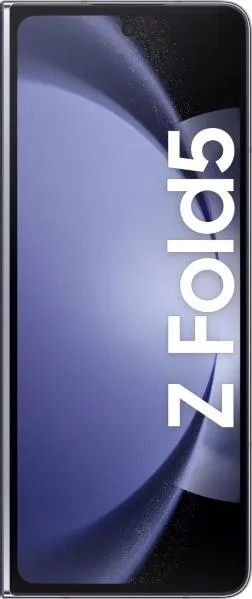
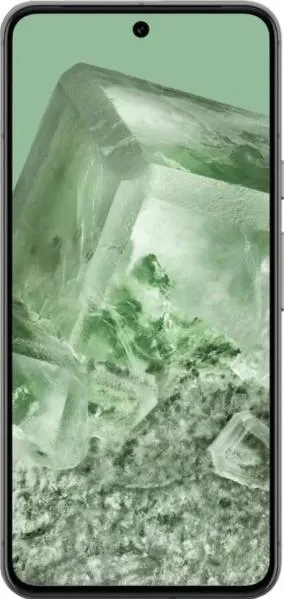
1. Specifications Comparison
| Feature | Category | Samsung Galaxy Z Fold5 | Google Pixel 8 | Practical Impact |
|---|---|---|---|---|
| Dimensions | Design | 154.9 x 129.9 x 6.1 mm (unfolded) Folded: | 150.5 x 70.8 x 8.9 mm | Fold5 offers a larger screen real estate when unfolded, transforming into a tablet-like experience. However, it's significantly thicker and potentially less pocketable when folded. Pixel 8 is a more traditional, slim smartphone design. |
| Weight | Design | 253g | 187g | Fold5 is noticeably heavier, which can be tiring for extended one-handed use. Pixel 8 offers a more comfortable handling experience for daily use. |
| Display Type | Display | Foldable Dynamic AMOLED 2X | OLED | Fold5's foldable display enables unique multitasking and content consumption scenarios. Pixel 8's traditional OLED offers excellent image quality in a standard form factor. |
| Display Size | Display | 7.6" (unfolded) Cover Screen: Unspecified | 6.2" | Fold5 provides a significantly larger main display for immersive experiences. Lack of cover screen size for Fold5 makes direct comparison difficult but impacts usability when folded. Pixel 8's display size is typical for a modern flagship. |
| Resolution | Display | 1812 x 2176 (unfolded) | 1080 x 2400 | Fold5 offers a higher resolution, resulting in sharper visuals on the larger unfolded screen. Pixel 8's resolution is sharp enough for its size and offers a slightly higher pixel density. |
| PPI Density | Display | 373 | 428 | While Fold5 boasts a large, high-resolution display, the Pixel 8 packs more pixels per inch, leading to potentially crisper text and images on its smaller screen. |
| Peak Brightness | Display | Unspecified | 2000 nits | Pixel 8's high peak brightness ensures excellent outdoor visibility. Lack of data for the Fold5 prevents direct brightness comparison. |
| Chipset | Performance | Qualcomm Snapdragon 8 Gen 2 (4 nm) | Google Tensor G3 (4 nm) | Both are powerful chips, but Snapdragon 8 Gen 2 generally benchmarks higher in raw performance. Tensor G3 is optimized for AI and machine learning tasks, potentially offering advantages in specific applications like photography and voice assistance. |
| RAM/Storage | Performance | 12GB/512GB, 12GB/1GB | 8GB/256GB | Fold5 offers more RAM and storage in its base configuration, enabling smoother multitasking and more space for apps and files. |
| Battery Capacity | Battery | 4400 mAh | 4575 mAh | Pixel 8 has a slightly larger battery. Real-world battery life will depend on usage patterns, especially the Fold5's larger display consuming more power when unfolded. |
| OS & Updates | Software | Android 13, upgradable to 17 | Android 14, upgradable to 21 | Pixel 8 launches with the latest Android version and benefits from longer guaranteed software updates directly from Google, ensuring timely security patches and new features. |
| Video Capabilities | Camera | 8K@30fps, 4K@60fps... | 4K@60fps, 1080p@240fps... | Both offer a wide range of video recording options. Fold5 boasts 8K recording, while the Pixel 8's strength lies in its superior frame rate options at lower resolutions (e.g., 1080p@240fps) potentially offering smoother slow-motion video. Specific camera sensor details are lacking to make a comprehensive comparison. |
2. Key Differences Analysis
Samsung Galaxy Z Fold5 Advantages:
- Foldable Form Factor: Unique versatility, transforming from a phone to a mini-tablet. Enables enhanced multitasking and immersive content consumption.
- Larger Display: Provides significantly more screen real estate for productivity and entertainment.
- More RAM and Storage Options: Ensures smooth performance even with demanding tasks and ample space for files.
Google Pixel 8 Advantages:
- Lighter and More Pocketable: Easier to carry and use for extended periods.
- Latest Android Version and Longer Updates: Ensures access to the newest features and security patches for a longer period.
- Potentially Better Battery Life: Slightly larger battery capacity and a smaller, less demanding display.
- Higher Pixel Density:Sharper and more detailed images on the display.
3. User Profiles & Recommendations
Samsung Galaxy Z Fold5: Ideal for power users, multitaskers, content creators, and those who value a large screen for productivity and entertainment on the go. Suitable for those willing to compromise on portability for the unique foldable experience.
Google Pixel 8: Best suited for users who prioritize a smooth, reliable Android experience with timely updates, excellent camera performance (assumed based on Pixel history), and a comfortable, pocketable design. Great for users seeking a balance of performance, features, and ease of use.
4. Decision Framework
Key Questions for Buyers:
- How important is portability and one-handed usability?
- Do you value a large screen for multitasking and media consumption over portability?
- How much do you prioritize the latest software and long-term updates?
Scenario-Based Recommendations:
- Frequent Traveler: Pixel 8 for its portability and long battery life.
- Business Professional: Fold5 for multitasking and productivity on a larger screen.
- Content Consumer: Fold5 for immersive video watching and gaming.
- Photography Enthusiast: Pixel 8 (assuming Pixel camera tradition continues).
My Choice: Google Pixel 8
While the Fold5's innovative foldable design is tempting, the Pixel 8 better suits my needs. I prioritize a comfortable, pocketable phone for daily use, value the latest Android features and guaranteed long-term updates, and appreciate a clean software experience. The slightly larger battery and brighter display are also appealing. While I acknowledge the Fold5's unique advantages, the trade-offs in size and weight are significant for me. The Pixel's focus on core smartphone fundamentals and long-term software support makes it the more compelling choice in this comparison. I am making an assumption based on historical data that the Pixel 8's camera will be excellent, but acknowledge we lack concrete specifications to confirm this.
