1. Specifications Comparison
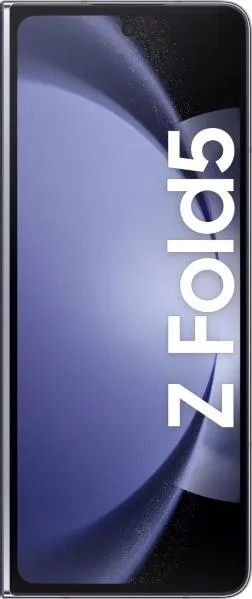
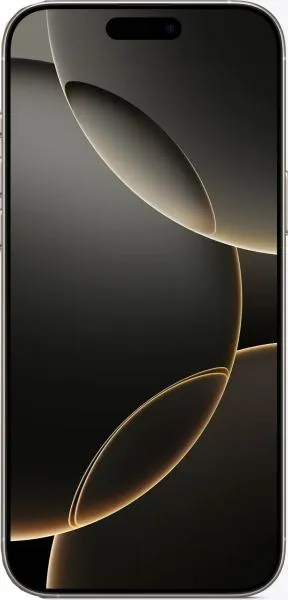
| Feature | Samsung Galaxy Z Fold5 | Apple iPhone 16 Pro Max | Practical Impact |
|---|---|---|---|
| Design | |||
| Dimensions | 154.9 x 129.9 x 6.1 mm (unfolded) | 163 x 77.6 x 8.3 mm | Fold5 is significantly wider and shorter when unfolded, more pocketable when folded. 16 Pro Max is a traditional slab design. |
| Weight | 253g | 227g | Fold5 is noticeably heavier due to the folding mechanism. |
| Foldable | Yes | No | Fold5 offers a larger screen in a smaller form factor, enabling multitasking and tablet-like experiences. 16 Pro Max offers a more traditional smartphone experience. |
| Display | |||
| Size | 7.6" (main), Cover screen size not specified | 6.9" | Fold5 provides a significantly larger main display for immersive content consumption and productivity. Lack of cover screen size for the Fold5 makes comparison difficult. |
| Type | Foldable Dynamic AMOLED 2X | LTPO Super Retina XDR OLED | Both offer excellent color accuracy and contrast. Fold5's crease may be noticeable. |
| Resolution | 1812 x 2176 | 1320x2868 | 16 Pro Max has a higher pixel density (460 ppi vs 373 ppi), resulting in sharper text and images. However, the difference might not be perceptible in everyday use. |
| Refresh Rate | 120Hz | 120Hz | Both offer smooth scrolling and animations. |
| Performance | |||
| Chipset | Qualcomm Snapdragon 8 Gen 2 (4 nm) | Apple A18 Pro (3 nm) | A18 Pro is expected to offer superior performance and efficiency due to its newer architecture and manufacturing process. Real-world performance comparisons are needed once benchmarks are available. |
| CPU | Octa-core (1x3.36 GHz Cortex-X3 & 2x2.8 GHz Cortex-A715 & 2x2.8 GHz Cortex-A710 & 3x2.0 GHz Cortex-A510) | Hexa-core (2x4.05 GHz + 4x2.42 GHz) | Core configurations differ, but both should handle demanding tasks with ease. Practical differences will depend on optimization for specific OS and applications. |
| GPU | Adreno 740 | Apple GPU (6-core graphics) | Apple's GPUs traditionally excel in graphics performance. Real-world gaming and graphics-intensive task comparisons are needed. |
| RAM | 12GB | 8GB | Fold5 offers more RAM, potentially leading to better multitasking performance and app retention. However, iOS's memory management may mitigate this advantage. |
| Battery | |||
| Capacity | 4400 mAh | 4685 mAh | 16 Pro Max has a slightly larger battery. Real-world battery life will depend on usage patterns and software optimization. |
| Other | |||
| OS | Android 13 | iOS 18 | Different operating systems cater to different user preferences and ecosystems. |
| Storage | 512GB, 1TB | 512GB, 1TB | Comparable storage options. |
| Price Range | Medium | High | 16 Pro Max is expected to be significantly more expensive. |
2. Key Differences Analysis
Samsung Galaxy Z Fold5 Advantages:
- Larger, Foldable Display: Offers a unique, expansive screen for multitasking and immersive content.
- More RAM: Potentially better multitasking performance.
Apple iPhone 16 Pro Max Advantages:
- Expected Performance: A18 Pro chip likely provides a performance and efficiency boost.
- Slightly Larger Battery: Potential for longer battery life.
- Higher Resolution Display: Sharper images and text.
- More Refined OS and Ecosystem: iOS is known for its smooth performance and app ecosystem.
3. User Profiles & Recommendations
Samsung Galaxy Z Fold5: Ideal for users who prioritize screen real estate and multitasking capabilities, valuing portability and a unique form factor. Suitable for productivity-focused individuals, content creators, and those who consume media on the go.
Apple iPhone 16 Pro Max: Ideal for users who prioritize performance, a refined user experience, and a robust app ecosystem. Suitable for users who value a traditional smartphone form factor with top-tier specifications.
4. Decision Framework
Key Questions for Buyers:
- Form Factor: Do you prioritize a large, foldable screen or a traditional smartphone design?
- Operating System: Do you prefer the flexibility of Android or the streamlined experience of iOS?
- Budget: Are you willing to pay a premium for the latest technology and potentially better performance?
My Choice: Apple iPhone 16 Pro Max
While the Fold5's folding screen is intriguing, the expected performance gains of the A18 Pro chip, coupled with the refined iOS experience and slightly larger battery, make the iPhone 16 Pro Max a more compelling device for me. I prioritize a smooth, powerful user experience with a long-lasting battery in a traditional form factor. The potential performance difference and iOS ecosystem outweigh the benefits of a foldable screen for my personal use. However, if I valued portability and multitasking above raw performance, the Fold5 would be a strong contender.
