1. Specifications Comparison
| Feature | Samsung Galaxy Z Fold5 | Apple iPhone 16 Plus | Practical Impact |
|---|---|---|---|
| Design | |||
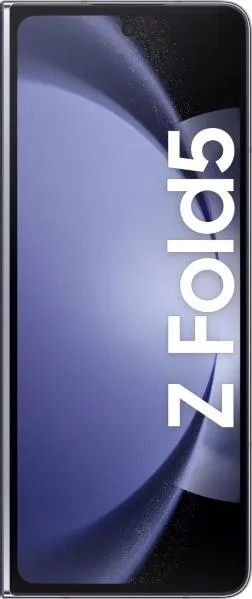
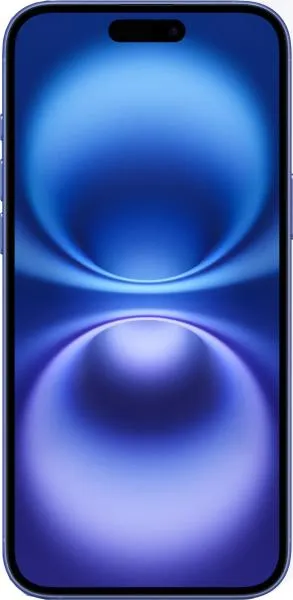
| Dimensions | 154.9 x 129.9 x 6.1 mm (folded) | 160.9 x 77.8 x 7.8 mm | Fold5 is significantly more compact when folded, but larger unfolded. iPhone 16 Plus is thinner and easier to pocket. |
| Weight | 253g | 199g | Fold5 is noticeably heavier due to the folding mechanism. |
| Foldable | Yes | No | Fold5 offers a larger screen in a pocketable device and unique multitasking capabilities. |
| Display | |||
| Size | 7.6" (unfolded), Cover Screen: Not specified | 6.7" | Fold5 provides a significantly larger main display for immersive experiences. Lack of cover screen size for Fold5 limits analysis. |
| Type | Foldable Dynamic AMOLED 2X | Super Retina XDR OLED | Both offer excellent color accuracy and contrast. Fold5's crease may be noticeable. |
| Resolution | 1812 x 2176 | 1290 x 2796 | iPhone has a higher pixel density (460 ppi vs 373 ppi) resulting in sharper text and images. |
| Refresh Rate | 120Hz | Not specified | Fold5 offers smoother scrolling and animations. A lack of refresh rate data for the iPhone limits a full comparison. |
| Performance | |||
| Chipset | Qualcomm Snapdragon 8 Gen 2 | Apple A18 | Both are top-tier chipsets offering excellent performance. Real-world differences will likely be minimal for average users. |
| CPU | Octa-core (1x3.36 GHz Cortex-X3 & 2x2.8 GHz Cortex-A715 & 2x2.8 GHz Cortex-A710 & 3x2.0 GHz Cortex-A510) | Hexa-core (2x4.04 GHz + 4x2.20 GHz) | Cross-platform comparisons are difficult; both will handle demanding tasks with ease. Specific benchmarks are needed for deeper analysis. |
| GPU | Adreno 740 | Apple GPU (5-core graphics) | Gaming performance should be excellent on both, but specific game benchmarks are necessary for detailed comparison. |
| RAM | 12GB | 8GB | Fold5 has more RAM, potentially beneficial for multitasking and demanding applications. |
| Storage | 512GB/1000GB | 256GB/512GB | Fold5 offers a larger maximum storage option. |
| Battery | |||
| Capacity | 4400 mAh | 4674 mAh | iPhone 16 Plus has a slightly larger battery capacity. Real-world battery life depends on usage patterns and software optimization. |
| Other | |||
| OS | Android 13 | iOS 18 | OS preference is subjective. Android offers more customization, while iOS is known for its simplicity and privacy features. |
2. Key Differences Analysis
Samsung Galaxy Z Fold5 Advantages:
- Larger, Foldable Display: Offers a unique, tablet-like experience for productivity and media consumption.
- More RAM: Enables smoother multitasking and better performance with demanding applications.
- Higher Maximum Storage: Accommodates more apps, photos, and videos.
Apple iPhone 16 Plus Advantages:
- Lighter and Thinner: More comfortable for one-handed use and pocket portability.
- Potentially Longer Battery Life: Slightly larger battery capacity suggests potential for longer usage time.
- Higher Resolution Display: Sharper image quality for text, photos, and videos.
3. User Profiles & Recommendations
Samsung Galaxy Z Fold5: Ideal for users who prioritize a large screen for multitasking, media consumption, and productivity on the go. Suitable for power users, content creators, and those who value a unique form factor.
Apple iPhone 16 Plus: Best suited for users who prefer a large screen in a traditional smartphone form factor. Ideal for those who value simplicity, a streamlined user experience, and prioritize portability and battery life.
4. Decision Framework
Key Questions for Buyers:
- How important is screen size and foldability? If a large, flexible display is a priority, the Fold5 is the clear choice.
- What operating system do you prefer? Android offers customization, while iOS prioritizes simplicity and privacy.
- What is your budget and storage requirement? The Fold5 offers greater storage options but comes at a premium.
My Choice: Apple iPhone 16 Plus
While the Fold5's folding technology is impressive, the iPhone 16 Plus better suits my needs. I prioritize a sleek, lightweight design for comfortable daily use. iOS aligns with my preference for a user-friendly interface and robust privacy features. The sharper display on the iPhone is also appealing. Although the Fold5 offers a larger display and more RAM, these advantages don't outweigh the iPhone's benefits for my personal usage. The slightly larger battery in the iPhone 16 Plus also contributes to my decision, as battery life is a crucial factor for me. Finally, while not specified in the comparison, the price difference between these two phones is likely substantial, making the iPhone 16 Plus a more reasonable purchase for me.
