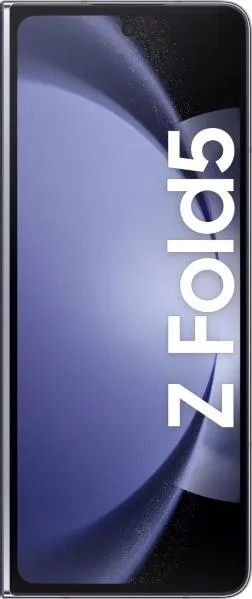
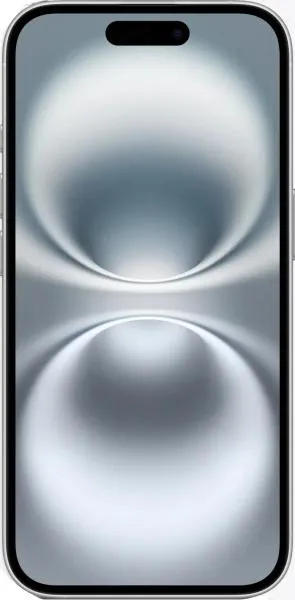
1. Specifications Comparison
| Feature | Samsung Galaxy Z Fold5 | Apple iPhone 16 | Practical Impact |
|---|---|---|---|
| Design | |||
| Dimensions | 154.9 x 129.9 x 6.1 mm (unfolded) | 147.6 x 71.6 x 7.8 mm | Fold5 significantly larger unfolded, offering tablet-like experience; iPhone 16 more pocketable. |
| Weight | 253g | 170g | Fold5 noticeably heavier due to folding mechanism; iPhone 16 easier for one-handed use. |
| Foldable | Yes | No | Fold5 provides larger screen real estate in a compact device; iPhone 16 offers traditional smartphone form factor. |
| Display | |||
| Size | 7.6" (main), Cover screen size not specified | 6.1" | Fold5 offers a much larger main display for multitasking and media consumption; iPhone 16 has a standard smartphone screen size. |
| Type | Foldable Dynamic AMOLED 2X | Super Retina XDR OLED | Both offer vibrant colors and deep blacks; Fold5's crease may be noticeable. |
| Resolution | 1812 x 2176 | 1179 x 2556 | Fold5 has a lower pixel density (373 ppi) than iPhone 16 (460 ppi), but the difference might not be noticeable in everyday use due to Fold5's larger screen size. |
| Refresh Rate | 120Hz | Not specified | Fold5 provides smoother scrolling and animations; iPhone 16's refresh rate is unknown, limiting comparison. |
| Peak Brightness | Not specified | Not specified | Brightness comparison not possible due to missing information. |
| Performance | |||
| Chipset | Snapdragon 8 Gen 2 (4nm) | Apple A18 (3nm) | Both are flagship chipsets, expected to deliver top-tier performance. A18 likely has an edge due to newer manufacturing process. |
| CPU | Octa-core (1x3.36 GHz Cortex-X3 & 2x2.8 GHz Cortex-A715 & 2x2.8 GHz Cortex-A710 & 3x2.0 GHz Cortex-A510) | Hexa-core (2x4.04 GHz + 4x2.20 GHz) | Both offer powerful CPU performance; architectural differences make direct comparison difficult without benchmarks. |
| GPU | Adreno 740 | Apple GPU (5-core) | Both offer high-end graphics performance; practical differences depend on specific game/app optimization. |
| RAM | 12GB | 8GB | Fold5 offers more RAM, potentially benefiting multitasking. |
| Battery | |||
| Capacity | 4400 mAh | 3561 mAh | Fold5 has a larger battery, potentially offering longer battery life. However, the larger screen may consume more power. |
| Other | |||
| Storage | 512GB/12GB, 1000GB/12GB | 256GB/8GB, 512GB/8GB | Fold5 offers a 1TB storage option; both offer ample storage for most users. |
| OS | Android 13 | iOS 18 | Different operating systems cater to different user preferences and ecosystems. |
| USB | USB Type-C 3.2 | USB Type-C 2.0 | Fold5 offers faster data transfer speeds. |
2. Key Differences Analysis
Fold5 Advantages:
- Larger, Foldable Display: Offers a unique tablet-like experience on a smartphone.
- More RAM: Enhanced multitasking capabilities.
- Larger Battery: Potentially longer battery life.
- Faster Data Transfer: USB 3.2 offers quicker file transfer.
iPhone 16 Advantages:
- Potentially More Powerful Chipset: A18 Bionic built on a more advanced process.
- Higher Pixel Density: Sharper image quality on a smaller screen.
- Lighter and More Pocketable: Easier for one-handed use and portability.
- iOS Ecosystem: Integration with other Apple devices and services.
3. User Profiles & Recommendations
Fold5 Ideal User: Power users, multitaskers, content creators who value a large screen and portability. Use Cases: Watching videos, gaming, productivity tasks, reading ebooks.
iPhone 16 Ideal User: Users who prioritize performance, portability, a refined user experience within the Apple ecosystem. Use Cases: Everyday tasks, photography, gaming, consuming media on a smaller screen.
4. Decision Framework
Key Questions:
- How important is screen size and multitasking? A larger, foldable screen benefits productivity and media consumption.
- Do you prioritize portability and one-handed use? The iPhone 16 is lighter and smaller.
- Which operating system and ecosystem do you prefer? Android offers customization, while iOS offers a simpler, integrated experience.
My Choice: Apple iPhone 16
While the Fold5's innovative foldable screen is tempting, the iPhone 16's likely superior performance (based on the A18 chip), lighter weight, and seamless integration within the Apple ecosystem (which I am already invested in) are more compelling to me. The higher pixel density also ensures sharp visuals, even on a smaller display. While I acknowledge the Fold5's advantages for productivity, my personal usage prioritizes portability, performance, and a refined user experience. The lack of specific refresh rate and brightness data for the iPhone 16 prevents a fully conclusive display comparison, but the known factors point towards a well-rounded device that better suits my needs.
