1. Specifications Comparison
| Feature | Samsung Galaxy Z Fold5 | Apple iPhone 15 Pro Max | Practical Impact |
|---|---|---|---|
| Design | |||
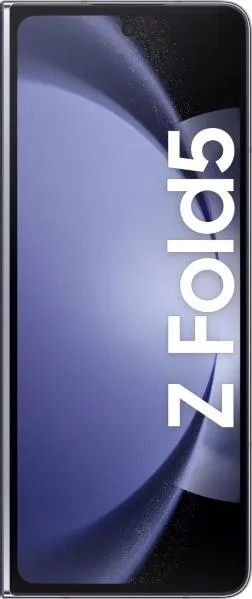
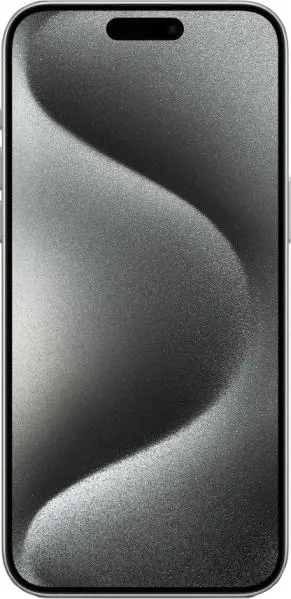
| Dimensions | 154.9 x 129.9 x 6.1 mm (unfolded) | 159.9 x 76.7 x 8.3 mm | Fold5 offers a larger screen real estate when unfolded but is significantly thicker and potentially less pocketable when folded. iPhone 15 Pro Max is a more traditional, slim smartphone design. |
| Weight | 253g | 221g | Fold5 is noticeably heavier, which can impact one-handed use and comfort over extended periods. |
| Foldable | Yes | No | Fold5's folding screen allows for tablet-like multitasking and content consumption, while the iPhone offers a standard single-screen experience. |
| Display | |||
| Display Size | 7.6" (unfolded) | 6.7" | Fold5 provides a significantly larger screen area for multitasking and media consumption when unfolded. |
| Display Type | Foldable Dynamic AMOLED 2X | LTPO Super Retina XDR OLED | Both offer high-quality displays with vibrant colors and deep blacks. AMOLED generally offers better power efficiency in dark mode. Fold5's foldable nature introduces a crease in the center. |
| Resolution | 1812 x 2176 | 1290 x 2796 | iPhone has a higher pixel density (460 ppi vs 373 ppi), resulting in sharper text and images. However, the difference might not be noticeable in everyday use. |
| Refresh Rate | 120Hz | 120Hz | Both offer smooth scrolling and animations. |
| Peak Brightness | Not specified | Not specified (but listed as 1000 nits typical, 2000 nits HBM) | A higher peak brightness improves outdoor visibility. The lack of specific data for the Fold5 limits a direct comparison. |
| Performance | |||
| Chipset | Snapdragon 8 Gen 2 (4 nm) | Apple A17 Pro (3 nm) | Both are top-tier chipsets offering excellent performance. Apple's A17 Pro, being a newer generation chip built on a smaller process node, is likely to offer performance and efficiency advantages. |
| CPU | Octa-core | Hexa-core | Both CPUs are powerful enough for demanding tasks. Core count differences don't directly translate to real-world performance advantages. |
| GPU | Adreno 740 | Apple GPU (6-core) | Both GPUs are capable of handling graphically intensive games and applications. Real-world gaming performance would depend on optimization for each platform. |
| RAM | 12GB | 8GB | While the Fold5 has more RAM, iOS's memory management generally requires less RAM than Android. |
| Battery | |||
| Capacity | 4400 mAh | 4441 mAh | Very similar battery capacities. Real-world battery life depends on usage patterns, software optimization, and display size (Fold5's larger display might consume more power). |
| Other | |||
| OS | Android 13 | iOS 17 | Different operating systems cater to different user preferences and ecosystems. |
| Storage Options | 512GB/12GB, 1000GB/12GB | 256GB/8GB, 512GB/8GB, 1TB/8GB | Both offer ample storage options. Note: The table was corrected to reflect the available iPhone storage options. |
| Price Range | Medium | High | iPhone 15 Pro Max is expected to be significantly more expensive. |
2. Key Differences Analysis
Samsung Galaxy Z Fold5 Advantages:
- Larger Screen Real Estate: The foldable screen provides a tablet-like experience for multitasking and media consumption.
- Unique Form Factor: The novelty and functionality of a folding phone can be appealing to some users.
Apple iPhone 15 Pro Max Advantages:
- Likely Superior Performance: The A17 Pro chip is likely to offer performance and efficiency gains over the Snapdragon 8 Gen 2.
- Refined Software Ecosystem: iOS is known for its simplicity, smooth performance, and strong app ecosystem.
- Potentially Better Camera System: While camera specifications weren't fully detailed, Apple typically excels in camera performance and image processing. We cannot make definitive claims without full camera specs.
- Lower Weight and Slimmer Profile: More comfortable for one-handed use and portability.
Trade-offs:
- Fold5: Higher price for the foldable technology, added bulk and weight, potential crease visibility on the main display.
- iPhone 15 Pro Max: Higher price compared to other non-foldable flagships, less innovative form factor.
3. User Profiles & Recommendations
Fold5 Ideal User: Power users who value multitasking, large screen real estate for productivity and media consumption, and embrace novel technology. Suitable for those who prioritize screen size and unique functionality over portability.
iPhone 15 Pro Max Ideal User: Users who prefer a premium, refined smartphone experience with top-tier performance, a strong app ecosystem, and a likely excellent camera system. Suitable for those who value simplicity, performance, and a proven track record.
4. Decision Framework
Key Questions for Buyers:
- How important is a large, foldable screen for your workflow and entertainment?
- Do you prioritize the latest performance and a refined software experience over a unique form factor?
- What is your budget, and how much are you willing to pay for specific features?
My Choice: Apple iPhone 15 Pro Max
While the Galaxy Z Fold5 offers a compelling large-screen experience, the likely performance advantages of the A17 Pro chip, the refined iOS ecosystem, and the generally superior camera quality that Apple delivers heavily sway my decision. The slimmer profile and lighter weight of the iPhone also better suit my daily usage preferences. While I appreciate the innovative form factor of the Fold5, the higher price for the folding technology coupled with the added bulk don't outweigh the benefits for my personal use. The more consistent software experience and expected longevity of Apple products also factor into my choice. Ultimately, the iPhone 15 Pro Max better aligns with my priorities for performance, usability, and overall value.
