1. Specifications Comparison
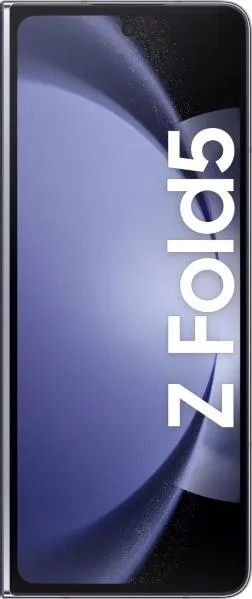
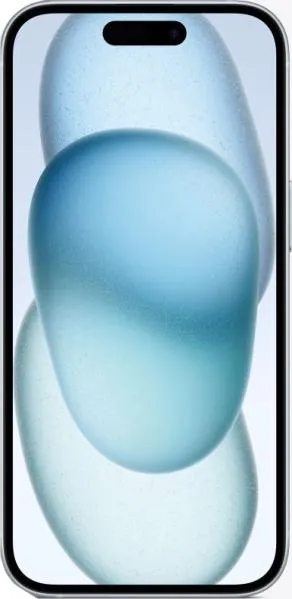
| Feature | Samsung Galaxy Z Fold5 | Apple iPhone 15 | Practical Impact |
|---|---|---|---|
| Design | |||
| Dimensions | 154.9 x 129.9 x 6.1 mm (unfolded) | 147.6 x 71.6 x 7.8 mm | Fold5 significantly larger unfolded, but more compact when folded; iPhone 15 more pocketable in traditional sense. |
| Weight | 253g | 171g | Fold5 noticeably heavier; prolonged one-handed use might be more fatiguing. |
| Foldable | Yes | No | Fold5 offers larger screen real estate for multitasking and media consumption; iPhone 15 offers a more traditional, durable form factor. |
| Display | |||
| Size | 7.6" (main), Cover screen size not provided | 6.1" | Fold5 provides a tablet-like experience when unfolded; iPhone 15 offers a more manageable one-handed experience. |
| Type | Foldable Dynamic AMOLED 2X | Super Retina XDR OLED | Fold5's folding screen offers unique functionality but introduces a potential crease; iPhone 15's display is known for its excellent color accuracy and brightness. |
| Resolution | 1812 x 2176 | 1179 x 2556 | Both offer sharp visuals; iPhone 15 boasts higher pixel density (461 ppi vs 373 ppi) resulting in slightly crisper text and images. |
| Refresh Rate | 120Hz | Not provided | Fold5 provides smoother scrolling and animations; impact on iPhone 15 unknown without refresh rate specification. |
| Peak Brightness | Not provided | 2000 nits | iPhone 15's exceptional peak brightness ensures great outdoor visibility; Fold5's unknown peak brightness limits comparison in this area. |
| Performance | |||
| Chipset | Qualcomm Snapdragon 8 Gen 2 (4nm) | Apple A16 Bionic (4nm) | Both are top-tier chipsets offering excellent performance; cross-platform benchmarks needed for accurate comparison. |
| CPU | Octa-core (1x3.36 GHz Cortex-X3 & 2x2.8 GHz Cortex-A715 & 2x2.8 GHz Cortex-A710 & 3x2.0 GHz Cortex-A510) | Hexa-core (2x3.46 GHz Everest + 4x2.02 GHz Sawtooth) | Both CPUs are powerful; core architecture differences make direct comparison difficult without real-world testing. |
| GPU | Adreno 740 | Apple GPU (5-core graphics) | Both GPUs capable of handling demanding games and tasks; performance differences require game benchmarks. |
| RAM | 12GB | 6GB | Fold5 offers more RAM, potentially benefiting multitasking and demanding applications. |
| Battery | |||
| Capacity | 4400 mAh | 3349 mAh | Fold5 has a larger battery, potentially offering longer battery life; real-world usage varies greatly. |
| Other | |||
| Storage | 512GB/12GB, 1000GB/12GB | 256GB/6GB, 512GB/6GB | Fold5 offers a higher maximum storage option. |
| OS | Android 13 | iOS 17 | Different operating systems cater to different preferences and ecosystems. |
2. Key Differences Analysis
Samsung Galaxy Z Fold5 Advantages:
- Larger, Foldable Display: Enables multitasking, immersive media consumption, and unique user experiences.
- More RAM: Potentially better multitasking performance.
- Larger Battery: Potential for longer battery life.
- Higher Maximum Storage: Accommodates more apps, files, and media.
Apple iPhone 15 Advantages:
- Higher Pixel Density: Sharper visuals for text and images.
- Higher Peak Brightness (specified): Superior outdoor visibility.
- More Compact (when folded): Easier pocketability and one-handed use.
- Potentially better single-core CPU performance: A16 Bionic's Everest cores may offer superior performance in single-threaded tasks.
3. User Profiles & Recommendations
Samsung Galaxy Z Fold5: Users who prioritize multitasking, large screen real estate for productivity and media consumption, and embrace cutting-edge technology. Ideal for power users, content creators, and those who value a unique mobile experience.
Apple iPhone 15: Users who prefer a compact, pocketable phone with a bright, high-resolution display. Ideal for users entrenched in the Apple ecosystem, those prioritizing simplicity and ease of use, and those who value a bright display for outdoor use.
4. Decision Framework
Key Questions for Buyers:
- How important is screen size and multitasking? Foldable screen offers a unique advantage for productivity and media.
- Do you prioritize portability and one-handed use? iPhone 15's more compact form factor excels in this area.
- Which operating system and ecosystem do you prefer? Android and iOS offer different experiences and app selections.
My Choice: Apple iPhone 15
While the Fold5 is undeniably innovative, the iPhone 15 better suits my needs. I prioritize a compact and lightweight device for easy one-handed use and portability. The confirmed high peak brightness ensures excellent outdoor visibility, crucial for my daily use. While I acknowledge the Fold5's multitasking prowess, my workflow doesn't demand a large foldable screen. The iPhone 15's robust performance, refined software experience within the Apple ecosystem, and compact form factor align better with my personal preferences. The lack of refresh rate information for the iPhone 15 is concerning, but the consistently strong performance of Apple's Bionic chips and display technology leads me to believe it wouldn't be a significant detriment to my user experience.
