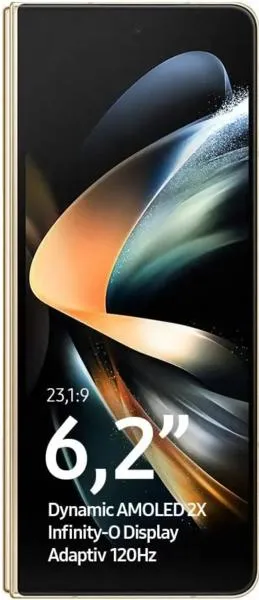
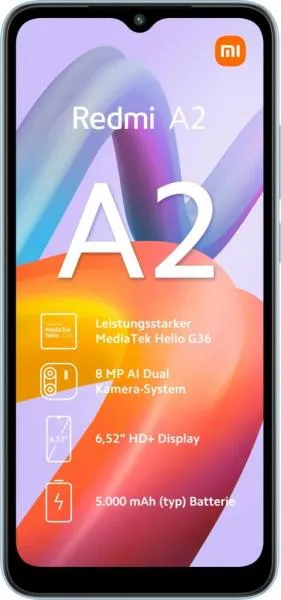
Let's dive into a comparative analysis of the Samsung Galaxy Z Fold4 and the Xiaomi Redmi A2. These two phones occupy distinct ends of the smartphone spectrum, catering to vastly different needs and budgets.
1. Specifications Breakdown
| Feature | Samsung Galaxy Z Fold4 | Xiaomi Redmi A2 | Real-World Implications |
|---|---|---|---|
| Design | |||
| Dimensions (mm) | 155.1 x 130.1 x 6.3 | 164.9 x 76.8 x 9.1 | Fold4: Compact when folded, expands to tablet size. Redmi A2: Standard candybar design, noticeably thicker. |
| Weight (g) | 263 | 192 | Fold4: Heavier due to folding mechanism and larger display. Redmi A2: Lighter, more comfortable for one-handed use. |
| Foldable | Yes | No | Fold4: Offers unique multitasking and large-screen experience. Redmi A2: Traditional single-screen phone. |
| Display | |||
| Size (inches) | 7.6 (main) | 6.52 | Fold4: Massive unfolded display for immersive content. Redmi A2: Adequate screen size for everyday tasks. |
| Resolution (px) | 1812 x 2176 | 720 x 1600 | Fold4: Significantly sharper and more detailed visuals. Redmi A2: Lower resolution, noticeable pixelation. |
| Display Type | Foldable Dynamic AMOLED 2X | IPS LCD | Fold4: Vibrant colors, deep blacks, high refresh rate. Redmi A2: Decent color reproduction, less vibrant. |
| Performance | |||
| Chipset | Snapdragon 8+ Gen 1 | Helio G36 | Fold4: Flagship-level performance, handles demanding tasks with ease. Redmi A2: Entry-level performance, suitable for basic use. |
| CPU | Octa-core (up to 3.19 GHz) | Octa-core (up to 2.2 GHz) | Fold4: Much faster processing speed for smooth multitasking and gaming. Redmi A2: Can handle basic tasks, but expect lag with demanding apps. |
| RAM | 12GB | 2/3GB | Fold4: Ample memory for seamless multitasking. Redmi A2: Limited memory, may struggle with multiple apps. |
| Camera | |||
| Main Camera (MP) | 50 | 8 | Fold4: High-resolution sensor with advanced features, excellent image quality. Redmi A2: Basic camera for casual snapshots. |
| Video Recording | Up to 8K@24fps | Up to 1080p@30fps | Fold4: Professional-grade video recording capabilities. Redmi A2: Standard video quality for everyday use. |
| Battery Life | |||
| Capacity (mAh) | 4400 | 5000 | Fold4: Decent battery life considering the powerful hardware and large display. Redmi A2: Longer battery life due to less demanding hardware. |
| Charging | 25W Fast Charging | 10W Fast Charging | Fold4: Faster charging speeds. Redmi A2: Slower charging. |
2. Key Insights
The Samsung Galaxy Z Fold4 is a premium flagship device offering cutting-edge technology and a unique foldable form factor. Its powerful processor, stunning display, and advanced camera system deliver a top-tier mobile experience. However, it comes at a premium price.
The Xiaomi Redmi A2 is a budget-friendly smartphone focused on essential functionality. Its strengths lie in its long battery life and affordability. However, performance and camera quality are significantly compromised compared to the Fold4. It represents the "get-what-you-pay-for" adage perfectly.
3. User Profiles and Recommendations
Fold4: Ideal for power users, multitaskers, content creators, and those seeking a unique mobile experience. Its large, foldable screen makes it perfect for productivity on the go and immersive media consumption.
Redmi A2: Best suited for budget-conscious users who prioritize basic communication and essential apps. It's a reliable option for those seeking a simple, affordable smartphone for calls, texting, and light browsing.
4. Buying Decision Framework
- What is your budget? The Fold4 is significantly more expensive than the Redmi A2.
- What are your primary use cases? Demanding tasks and content creation favor the Fold4; basic communication and light usage favor the Redmi A2.
- Do you value portability and a large screen? The Fold4's foldable design offers both.
My Choice
If I were choosing between these two phones, I would select the Samsung Galaxy Z Fold4. While the price is considerably higher, the innovative foldable design, powerful performance, and superior camera system align with my needs as a tech journalist. The ability to multitask efficiently, consume media on a stunning display, and capture high-quality photos and videos are crucial for my work. The Redmi A2, while offering excellent value for its price, simply doesn't provide the features and performance I require. I appreciate the cutting edge of technology, and the Fold4 represents that in the mobile space. I'd be willing to sacrifice some battery life and bear the higher cost for the significant gains in functionality and user experience.
