Samsung Galaxy Z Fold4 vs. Xiaomi Redmi A1+: A Tale of Two Worlds
These two smartphones occupy completely different ends of the mobile spectrum. One is a cutting-edge foldable flagship, pushing the boundaries of innovation; the other is a budget-friendly device focused on essential functionality. Let's dissect their specifications and uncover what these differences mean for you.
1. Specifications Breakdown
| Feature | Samsung Galaxy Z Fold4 | Xiaomi Redmi A1+ | Real-World Implications |
|---|---|---|---|
| Design | |||
| Dimensions (mm) | 155.1 x 130.1 x 6.3 | 164.9 x 76.8 x 9.1 | Fold4 is significantly more compact when folded, but larger unfolded. A1+ is thicker. |
| Weight (g) | 263 | 192 | Fold4 feels substantial; A1+ is lighter and easier to handle. |
| Foldable | Yes | No | Fold4 offers a unique, expansive experience with its foldable screen. |
| Display | |||
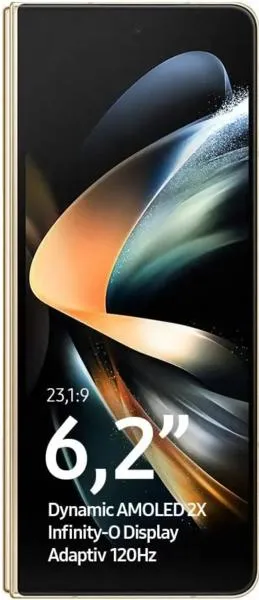
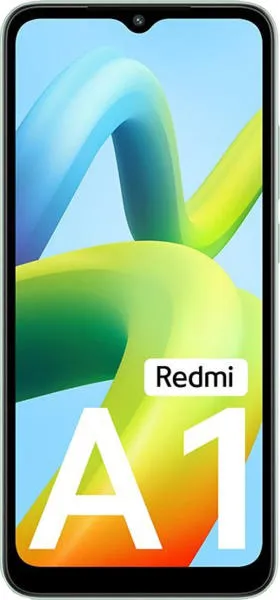
| Size (inches) | 7.6 (main) / 6.2 (cover) | 6.52 | Fold4's main display provides a tablet-like experience; A1+ offers a standard size. |
| Resolution (px) | 1812 x 2176 / 832 x 2268 | 720 x 1600 | Fold4 delivers incredibly sharp visuals; A1+ is less detailed. |
| Display Type | Foldable Dynamic AMOLED 2X | IPS LCD | Fold4 boasts vibrant colors, deep blacks, and high refresh rate; A1+ is more basic. |
| Performance | |||
| Chipset | Snapdragon 8+ Gen 1 | Helio A22 | Fold4 offers flagship-level performance; A1+ handles basic tasks. |
| CPU | Octa-core (up to 3.19 GHz) | Quad-core 2.0 GHz | Fold4 breezes through demanding apps and multitasking; A1+ may lag with heavy usage. |
| RAM (GB) | 12 | 2/3 | Fold4 allows seamless multitasking; A1+ can handle fewer apps simultaneously. |
| Camera | |||
| Main Camera (MP) | 50 | 8 | Fold4 captures significantly more detailed and vibrant photos; A1+ is basic. |
| Video Recording | Up to 8K@24fps | 1080p@30fps | Fold4 offers professional-grade video capabilities; A1+ is for casual recording. |
| Battery Life | |||
| Capacity (mAh) | 4400 | 5000 | A1+ has a larger battery capacity, but Fold4's efficient chip may offset this difference. |
| Charging | 25W wired, 15W wireless | 10W wired | Fold4 charges faster; A1+ has longer charging times. |
2. Key Insights
The Galaxy Z Fold4 is a powerhouse designed for demanding users who value cutting-edge technology, multitasking capabilities, and a premium multimedia experience. Its foldable screen opens up new possibilities for productivity and entertainment.
The Redmi A1+, on the other hand, prioritizes affordability and essential functionality. It's aimed at users who primarily need a device for communication, basic web browsing, and light app usage.
3. User Profiles and Recommendations
Fold4: Professionals, power users, content creators, tech enthusiasts who want the latest and greatest.
A1+: Budget-conscious users, students, seniors, or anyone seeking a simple, reliable device for basic tasks.
4. Buying Decision Framework
- What's your budget? The Fold4 is a premium device; the A1+ is extremely affordable.
- What are your primary use cases? Demanding tasks and multimedia consumption favor the Fold4; basic communication and light usage point to the A1+.
- Do you value innovation and a unique user experience? The Fold4's foldable design is a game-changer; the A1+ offers a traditional smartphone experience.
My Choice: Samsung Galaxy Z Fold4
While the Redmi A1+ offers excellent value for its price, I would choose the Galaxy Z Fold4. As a tech enthusiast and someone who values productivity and a premium mobile experience, the Fold4's unique form factor, powerful performance, and stunning display are irresistible. The ability to seamlessly transition from a phone to a mini-tablet opens up workflows and entertainment options that a standard smartphone simply can't match. While the price is significant, the Fold4 offers a level of innovation and versatility that justifies the investment for my needs. I am willing to compromise on battery capacity (slightly) for the sheer power and flexibility the Fold4 offers.
