Samsung Galaxy Z Fold4 vs. Huawei nova 11 Pro: A Detailed Comparison
The foldable smartphone market continues to evolve, with the Samsung Galaxy Z Fold4 representing a mature iteration of this innovative form factor, while the Huawei nova 11 Pro offers a more traditional slab-style design with a focus on camera technology. This in-depth comparison delves into their specifications, highlighting the real-world implications for users.
1. Specifications Breakdown
| Feature | Samsung Galaxy Z Fold4 | Huawei nova 11 Pro | Real-World Implications | |
|---|---|---|---|---|
| Design | ||||
| Form Factor | Foldable | Slab | Foldable design offers unique multitasking and portability but adds bulk and fragility. | |
| Dimensions (mm) | 155.1 x 130.1 x 6.3 (unfolded) | 164.3 x 74.4 x 7.9 | Fold4 is wider unfolded, pocketable when folded; Nova 11 Pro is thinner and lighter overall. | |
| Weight (g) | 263 | 188 | Fold4's weight reflects its complex hinge and larger display. | |
| Display | ||||
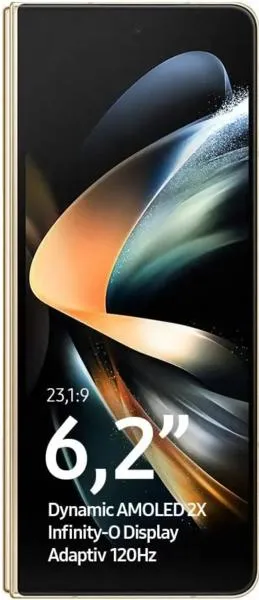
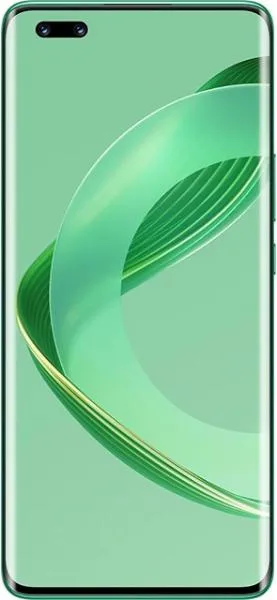
| Display Type | Foldable Dynamic AMOLED 2X | OLED | Both offer vibrant colors and deep blacks. | |
| Size (inches) | 7.6 (main), 6.2 (cover) | 6.78 | Fold4's main display offers a tablet-like experience; Nova 11 Pro has a large standard display. | |
| Resolution (pixels) | 1812 x 2176 (main), 832 x 2268 (cover) | 1200 x 2652 | Both displays are sharp, but Fold4's main screen offers higher pixel density for finer details. | |
| Refresh Rate (Hz) | 120 | 120 | Smooth scrolling and animations on both devices. | |
| Performance | ||||
| Chipset | Snapdragon 8+ Gen 1 | Snapdragon 778G 4G | Fold4 boasts significantly faster CPU and GPU for demanding tasks and gaming. | |
| RAM (GB) | 12 | 8 (up to 12GB in some variants) | Fold4's larger RAM enables smoother multitasking and app switching. | |
| Camera | ||||
| Rear Camera (MP) | 50MP (main), 12MP (ultrawide), 10MP (telephoto) | 50MP (main), 8MP (ultrawide + macro) | Fold4 offers a more versatile camera system with a dedicated telephoto lens. | |
| Front Camera (MP) | 10MP (cover), 4MP (under display) | 60MP (main), 8MP (depth) | Nova 11 Pro emphasizes selfie capabilities with a high-resolution front camera. | |
| Battery Life | ||||
| Capacity (mAh) | 4400 | 4500 | Similar battery capacities, but real-world usage will vary due to different processors and displays. | |
| Fast Charging | 25W | 100W | Nova 11 Pro offers significantly faster charging speeds. |
2. Key Insights
The Galaxy Z Fold4 is a powerhouse for productivity and multitasking. Its foldable design, powerful processor, and ample RAM allow for a unique user experience. However, it comes at a premium price and with added weight and potential durability concerns.
The Huawei nova 11 Pro, while not as powerful, offers a sleek design, impressive charging speed, and a strong focus on photography, particularly selfies. Its limitations lie in its processor, which may not handle demanding tasks as efficiently as the Fold4. The lack of Google Mobile Services might be a deal breaker for some users.
3. User Profiles and Recommendations
Fold4: Ideal for power users, multitaskers, content creators, and those who value a unique mobile experience. Business professionals, students who need a portable device for note taking and reading academic papers will find the large screen beneficial.
Nova 11 Pro: Suitable for users prioritizing a slim and stylish design, excellent selfie capabilities, and fast charging. Social media enthusiasts, casual photographers, and those seeking a more affordable option will find this phone appealing.
4. Buying Decision Framework
- What is your primary use case? Productivity and multitasking vs. style, photography, and affordability.
- Is a foldable design essential? The Fold4's unique form factor is a key differentiator.
- What is your budget? The Fold4 commands a significantly higher price.
My Choice: Samsung Galaxy Z Fold4
While the Nova 11 Pro is a compelling device with its strengths, I would choose the Galaxy Z Fold4. The foldable design, despite its trade-offs, offers a genuinely transformative mobile experience that caters to my workflow as a tech journalist. The powerful processor, ample RAM, and expansive screen real estate allow for seamless multitasking, on-the-go content creation, and immersive media consumption. I find these advantages outweigh the added cost and bulk. The ability to quickly draft articles, review specifications on a larger screen, and have multiple apps open simultaneously is invaluable for my productivity. While the faster charging of the Nova 11 Pro is tempting, the overall user experience offered by the Fold4 aligns more closely with my needs.
