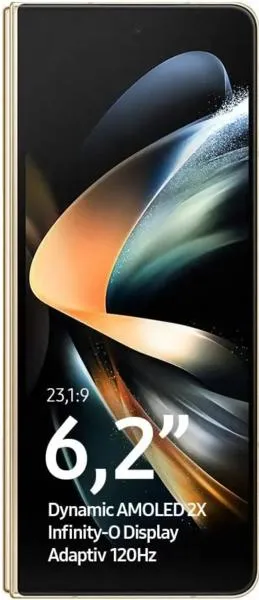
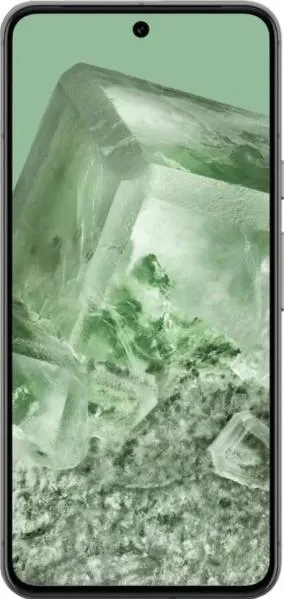
Samsung Galaxy Z Fold4 vs. Google Pixel 8: A Detailed Comparison
The smartphone landscape is constantly evolving, and choosing the right device can feel overwhelming. Today, we'll dissect two compelling options: the innovative Samsung Galaxy Z Fold4 and the refined Google Pixel 8. By blending technical expertise with real-world insights, we'll empower you to make an informed decision.
1. Specifications Breakdown
| Feature | Samsung Galaxy Z Fold4 | Google Pixel 8 | Real-World Implications |
|---|---|---|---|
| Design | |||
| Dimensions (mm) | 155.1 x 130.1 x 6.3 (unfolded) 67.1 x 130.1 x 14.4-15.8 (folded) | 150.5 x 70.8 x 8.9 | Fold4 offers a larger screen real estate when unfolded but is significantly bulkier when folded. Pixel 8 prioritizes pocketability. |
| Weight (g) | 263 | 187 | Fold4's weight reflects its complex hinge and larger display, while Pixel 8 is noticeably lighter for comfortable one-handed use. |
| Foldable | Yes | No | Fold4 transforms from a phone to a mini-tablet, offering unique multitasking capabilities. Pixel 8 provides a traditional smartphone experience. |
| Display | |||
| Display Size (") | 7.6 (main), 6.2 (cover) | 6.2 | Fold4's main display provides a tablet-like experience, ideal for media consumption and productivity. Pixel 8 has a standard smartphone screen size. |
| Resolution (px) | 1812 x 2176 (main), 832 x 2268 (cover) | 1080 x 2400 | Both offer sharp displays, but Fold4's higher resolution on the main screen enhances detail for immersive visuals. |
| Refresh Rate (Hz) | 120 | 120 | Both deliver smooth scrolling and animations, crucial for responsive gaming and UI navigation. |
| Performance | |||
| Chipset | Snapdragon 8+ Gen 1 | Google Tensor G3 | Both are powerful chips, but Tensor G3 is newer and optimized for AI tasks, potentially offering advantages in specific applications. |
| CPU | Octa-core (1x3.19 GHz Cortex-X2 & 3x2.75 GHz Cortex-A710 & 4x1.80 GHz Cortex-A510) | Nona-core (1x3.0 GHz Cortex-X3 & 4x2.45 GHz Cortex-A715 & 4x2.15 GHz Cortex-A510) | Tensor G3's architecture suggests better multi-core performance, while Snapdragon 8+ Gen 1 might have a slight edge in single-core tasks. Real-world performance will depend on optimization. |
| RAM | 12GB | 8GB | Fold4's larger RAM enables smoother multitasking and handling of demanding applications. |
| Camera | |||
| Main Camera (MP) | 50 | 50 | Both feature high-resolution main sensors, promising excellent image quality. |
| DxOMark Score | 124 | 148 | Pixel 8's significantly higher DxOMark score suggests superior overall camera performance, leveraging Google's computational photography expertise. |
| Battery Life | |||
| Capacity (mAh) | 4400 | 4575 | Pixel 8 has a slightly larger battery, but real-world battery life will depend on usage patterns and software optimization, especially with Fold4's larger display. |
2. Key Insights
Innovation vs. Refinement: The Fold4 is a groundbreaking foldable device, offering a unique form factor and multitasking powerhouse. The Pixel 8 represents a refinement of the traditional smartphone, focusing on core features like camera and software.
Screen Real Estate: Fold4's expansive inner display provides a tablet-like experience unmatched by the Pixel 8. This is a game-changer for productivity, media consumption, and immersive gaming.
Camera Prowess: While Fold4 boasts a capable camera system, the Pixel 8, with its higher DxOMark score and Google's computational photography magic, likely delivers superior image quality and innovative camera features.
Portability and Durability: The Pixel 8's slimmer profile and lighter weight make it more pocketable and comfortable for one-handed use. Fold4's foldable design introduces potential durability concerns regarding the hinge and screen crease.
3. User Profiles and Recommendations
Fold4: Ideal for power users, multitaskers, content creators, and those seeking a device that blurs the lines between phone and tablet. If you value a large screen for productivity and entertainment, the Fold4 is a compelling choice.
Pixel 8: Best suited for users prioritizing a refined smartphone experience with exceptional camera capabilities, clean software, and timely updates. If portability, camera quality, and a seamless Android experience are paramount, the Pixel 8 is a strong contender.
4. Buying Decision Framework
What is your priority: innovation or refinement? Do you crave the cutting-edge technology of a foldable device, or a more polished traditional smartphone experience?
How important is screen size and multitasking? If a large screen for productivity and entertainment is essential, the Fold4's foldable design is a significant advantage.
What is your budget and tolerance for compromises? The Fold4 commands a premium price for its innovative technology, while the Pixel 8 offers a more accessible price point.
My Choice: Google Pixel 8
While the Galaxy Z Fold4 is undeniably innovative, I would choose the Google Pixel 8. My decision hinges on several factors:
- Practicality: I prioritize a slim, pocketable device for everyday carry. The Fold4's bulk and weight, even when folded, are a deterrent for me.
- Camera Excellence: As a tech journalist, capturing high-quality photos and videos is crucial. Pixel's computational photography consistently delivers exceptional results, making it a clear winner in this category.
- Software Experience: I value clean, bloatware-free software with guaranteed timely updates. Pixel's pure Android experience and Google's commitment to software support are compelling.
- Value Proposition: While not inexpensive, the Pixel 8 offers a more accessible price point compared to the premium Fold4. The Pixel 8 delivers a compelling balance of performance, features, and price that aligns with my needs and preferences. While I admire the Fold4's engineering, the Pixel 8 better suits my daily usage and priorities.
