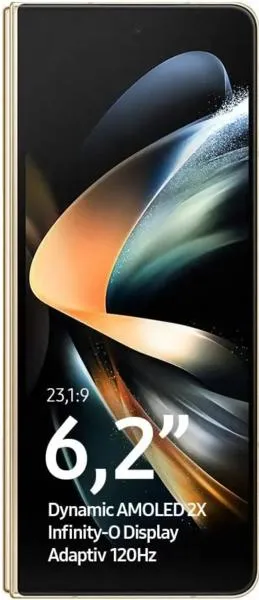
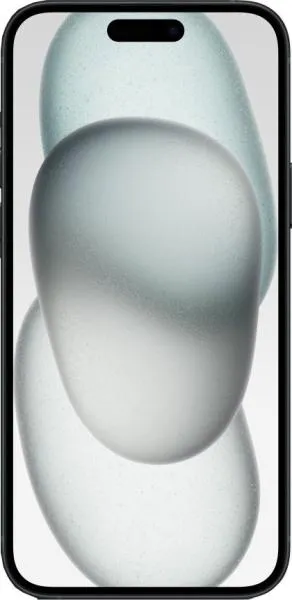
Samsung Galaxy Z Fold4 vs. Apple iPhone 15 Plus: A Detailed Comparison
The foldable phone revolution continues with the Samsung Galaxy Z Fold4, while Apple refines its large-screen experience with the iPhone 15 Plus. Let's dissect these devices, exploring their strengths, weaknesses, and ideal user profiles.
1. Specifications Breakdown
| Feature | Samsung Galaxy Z Fold4 | Apple iPhone 15 Plus | Real-World Implications |
|---|---|---|---|
| Design | |||
| Dimensions (mm) | 155.1 x 130.1 x 6.3 | 160.9 x 77.8 x 7.8 | Fold4 is wider unfolded, significantly more compact folded; iPhone 15 Plus is thinner and taller, a more traditional form factor. |
| Weight (g) | 263 | 201 | Fold4 feels substantial; iPhone 15 Plus is noticeably lighter for one-handed use. |
| Foldable | Yes | No | Fold4 offers tablet-like multitasking and a unique experience; iPhone 15 Plus prioritizes pocketability and simplicity. |
| Display | |||
| Display Size (") | 7.6 (Main), 6.2 (Cover) | 6.7 | Fold4's main display provides a vast canvas; iPhone 15 Plus boasts a large, bright OLED. |
| Resolution (px) | 1812 x 2176 (Main) | 1290 x 2796 | Both offer sharp visuals; iPhone 15 Plus has a slightly higher pixel density. |
| Display Type | Foldable Dynamic AMOLED 2X | Super Retina XDR OLED | Fold4's screen can crease; iPhone 15 Plus offers potentially higher peak brightness and Dolby Vision. |
| Refresh Rate (Hz) | 120 | (Unspecified, likely 60) | Fold4 ensures smoother scrolling and animations; iPhone 15 Plus's refresh rate is unconfirmed but likely standard. |
| Performance | |||
| Chipset | Snapdragon 8+ Gen 1 | Apple A16 Bionic | Both are flagship processors; A16 likely edges out in raw performance and efficiency. |
| RAM (GB) | 12 | 6 | Fold4's larger RAM enables better multitasking and app retention. |
| OS | Android 12 (up to 16) | iOS 17 (up to 18) | Different ecosystems with their own strengths and weaknesses; Android offers greater customization, iOS tighter integration. |
| Camera | |||
| Main Camera (MP) | 50 | 48 | Both offer high-resolution sensors; practical image quality will depend on processing. |
| DxOMark Score | 124 | 145 | iPhone 15 Plus scores significantly higher, suggesting superior overall camera performance. |
| Battery Life | |||
| Battery (mAh) | 4400 | 4383 | Similar battery capacities; real-world battery life will depend on usage patterns and software optimization. |
2. Key Insights
- Multitasking Powerhouse: The Fold4's foldable design and ample RAM make it ideal for power users who demand seamless multitasking and a large screen for productivity.
- Premium Media Consumption: Both devices offer stunning displays for enjoying videos and games, but the iPhone 15 Plus's Dolby Vision support and potential for higher peak brightness could provide a slight edge. The Fold4's large inner display makes it a truly unique media consumption device, however.
- Performance Parity: While benchmarks might favor the A16 Bionic, both phones deliver flagship-level performance for everyday tasks and demanding apps.
- Camera Prowess: The iPhone 15 Plus, based on DxOMark scores, appears to have a more capable camera system overall.
- Software Ecosystem: The choice between Android and iOS boils down to personal preference regarding customization, app availability, and ecosystem integration.
3. User Profiles and Recommendations
- Fold4: Ideal for power users, content creators, and those seeking a unique mobile experience that blends tablet and smartphone functionality. Business professionals and students who value multitasking will also appreciate the Fold's capabilities.
- iPhone 15 Plus: Suited for users who prioritize a large, bright display, a simple and intuitive user experience, a top-tier camera, and a long-lasting battery in a traditional smartphone form factor.
4. Buying Decision Framework
Questions to Ask Yourself:
- How important is portability? The iPhone 15 Plus is lighter and easier to pocket.
- Do you prioritize multitasking and a large screen for productivity? The Fold4 excels in this area.
- Which operating system do you prefer? Android and iOS offer distinct experiences.
Scenario-Based Recommendations:
- Frequent Traveler: iPhone 15 Plus for its lighter weight and longer potential battery life.
- Content Creator: Fold4 for its large screen for editing and multitasking capabilities.
- Casual User: Either device could be suitable, depending on individual preferences for screen size, operating system, and camera performance.
My Choice: The iPhone 15 Plus
While I deeply admire the engineering marvel that is the Fold4, I would choose the iPhone 15 Plus. As a tech journalist, a reliable, pocketable device with a fantastic camera is paramount. The iPhone 15 Plus's superior camera performance, coupled with the refined iOS experience and a potentially brighter, Dolby Vision-capable display, aligns better with my needs. The Fold4's bulkier form factor, while offering incredible screen real estate, would be less practical for my daily workflow. The simplicity and performance consistency of the iPhone, combined with its excellent camera, make it the more compelling device for me. While I appreciate the innovation of the Fold4, the traditional smartphone form factor better suits my on-the-go lifestyle.
