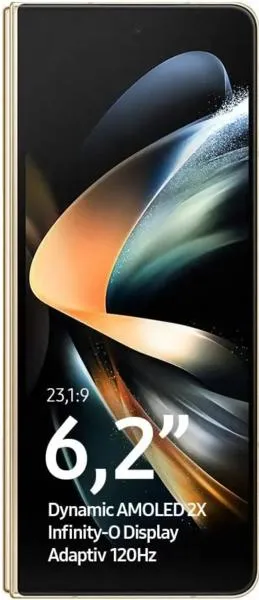
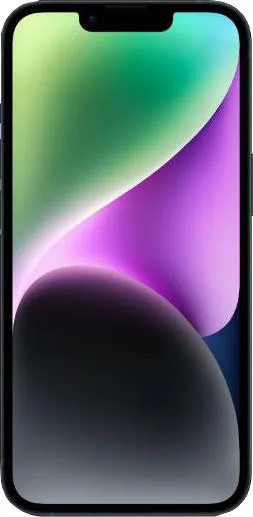
Samsung Galaxy Z Fold4 vs. Apple iPhone 14: A Detailed Comparison
The Samsung Galaxy Z Fold4 and the Apple iPhone 14 represent two distinct approaches to the modern smartphone. One pushes the boundaries of form factor with its foldable design, while the other refines a classic formula with a focus on performance and user experience. Let's dissect these devices, translating their specifications into real-world implications for you.
1. Specifications Breakdown
| Feature | Samsung Galaxy Z Fold4 | Apple iPhone 14 | Real-World Implications |
|---|---|---|---|
| Design | |||
| Dimensions (mm) | 155.1 x 130.1 x 6.3 (folded) | 146.7 x 71.5 x 7.8 | Fold4 is significantly larger when unfolded, offering tablet-like functionality but compromising pocketability. iPhone 14 boasts a classic, slim profile. |
| Weight (g) | 263 | 172 | Fold4's weight reflects its robust build and larger displays; iPhone 14 is lighter and easier to handle for extended periods. |
| Foldable | Yes | No | Fold4's defining feature; transforms from a phone to a mini-tablet, enhancing multitasking and content consumption. |
| Display | |||
| Display Size (inches) | 7.6 (main), 6.2 (cover) | 6.1 | Fold4 offers a significantly larger main display for immersive experiences; iPhone 14 provides a comfortable single-screen experience. |
| Resolution (px) | 1812 x 2176 (main), 832 x 2268 (cover) | 1170 x 2532 | Both offer sharp, vibrant displays, but Fold4's larger screen provides more real estate for productivity and media. |
| Refresh Rate (Hz) | 120 | 60 | Fold4's higher refresh rate delivers smoother scrolling and animations, resulting in a more fluid user experience. |
| Performance | |||
| Chipset | Snapdragon 8+ Gen 1 | A15 Bionic | Both chipsets are incredibly powerful, but benchmarks suggest the Snapdragon 8+ Gen 1 edges out the A15 in raw performance, particularly graphics-intensive tasks. |
| RAM (GB) | 12 | 6 | Fold4's larger RAM enables superior multitasking and app switching; iPhone 14's optimized iOS makes efficient use of its 6GB. |
| OS | Android 12 | iOS 16 | Platform preference plays a significant role; Android offers customization, while iOS prioritizes ease of use and a unified ecosystem. |
| Camera | |||
| Rear Camera (MP) | 50 MP Main, 12 MP Ultrawide, 10 MP Telephoto | 12 MP Main, 12 MP Ultrawide | Fold4 offers higher resolution on its main sensor; both excel in various shooting conditions, with Apple emphasizing computational photography. |
| DXOMARK Score | 124 (Overall Mobile) | 133 (Overall Mobile) | iPhone 14 edges out the Fold4 in overall camera quality according to DXOMARK, especially in video recording. |
| Battery Life | |||
| Battery Capacity (mAh) | 4400 | 3279 | Fold4's larger battery capacity suggests longer usage time; real-world battery life depends heavily on usage patterns, especially with the Fold4's larger display. |
2. Key Insights
Fold4's Form Factor: The foldable design is the star of the show, transforming the device from a pocketable phone to a mini-tablet. This flexibility allows for unparalleled multitasking and a more immersive media consumption experience. However, it comes at the cost of increased weight and thickness.
iPhone 14's Refinement: Apple focuses on refining the core smartphone experience. The A15 Bionic chip, while not the absolute latest, provides exceptional performance, and the camera system delivers consistently impressive results thanks to Apple's advanced image processing.
Software Ecosystem: The choice between Android and iOS hinges on personal preference. Android allows for extensive customization, while iOS offers a seamless user experience within Apple's ecosystem.
3. User Profiles and Recommendations
Fold4: Ideal for power users, multitaskers, content creators, and those who value a large screen for productivity and entertainment on the go. The Fold4's unique form factor allows for workflows previously impossible on a smartphone.
iPhone 14: Suitable for users who prioritize a refined, user-friendly experience within the Apple ecosystem. Its excellent camera, robust performance, and sleek design make it a compelling option for a wide range of users.
4. Buying Decision Framework
- What is your priority: Form factor innovation or a refined, familiar experience? If you crave the latest technology and the flexibility of a foldable device, the Fold4 is a clear choice. If you prefer a sleek, reliable phone with a proven track record, the iPhone 14 is a strong contender.
My Choice: Apple iPhone 14
While I deeply admire the technological marvel that is the Galaxy Z Fold4, I would personally choose the iPhone 14. My decision hinges on a few key factors:
- Seamless Ecosystem Integration: I'm heavily invested in the Apple ecosystem, and the seamless integration between devices is crucial to my workflow.
- Reliability and Longevity: Apple's track record of providing long-term software updates and maintaining device performance over time is a significant advantage.
- Pocketability and One-Handed Use: I prioritize a phone that's comfortable to carry and use with one hand, which the iPhone 14 excels at. While the Fold4's large screen is alluring, its bulkier design would be less practical for my daily use.
Ultimately, the "best" phone depends on individual needs and preferences. I value a refined, reliable experience within a familiar ecosystem, and the iPhone 14 best aligns with these priorities. However, for users seeking a revolutionary form factor and the productivity benefits of a foldable device, the Galaxy Z Fold4 is a groundbreaking option.
