1. Specifications Comparison
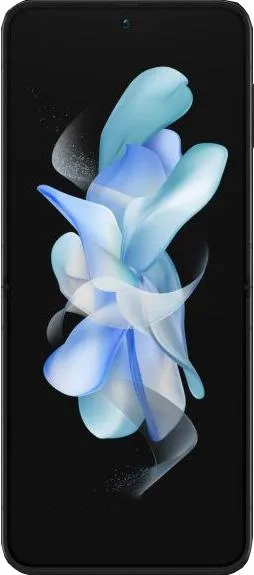
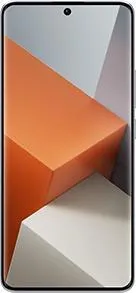
| Feature | Samsung Galaxy Z Flip5 | Xiaomi Redmi Note 13 Pro+ | Practical Impact |
|---|---|---|---|
| Design | |||
| Form Factor | Foldable | Standard | Flip5 offers portability and novelty; Note 13 Pro+ offers a traditional form factor. |
| Dimensions (mm) | 165.1 x 71.9 x 6.9 (folded) | 161.4 x 74.2 x 8.9 | Flip5 significantly smaller when folded, pocketable; Note 13 Pro+ thinner when unfolded. |
| Weight (g) | 187 | 199 | Negligible weight difference in practical use. |
| Display | |||
| Size (inches) | 6.7 | 6.67 | Virtually identical screen real estate. |
| Type | Foldable Dynamic AMOLED 2X | AMOLED | Flip5's foldable screen offers unique usability and protection when closed; Note 13 Pro+ offers a standard, potentially more durable screen. |
| Resolution | 1080 x 2640 | 1220 x 2712 | Note 13 Pro+ has a slightly sharper display due to higher resolution. |
| Refresh Rate (Hz) | 120 | 120 | Both offer smooth scrolling and animations. |
| Peak Brightness (nits) | 1750 | 1800 | Note 13 Pro+ slightly brighter in direct sunlight, but both are excellent. |
| Performance | |||
| Chipset | Snapdragon 8 Gen 2 | Dimensity 7200 Ultra | Snapdragon 8 Gen 2 generally considered more powerful, offering better performance in demanding tasks and gaming. |
| CPU | Octa-core (1x3.36 GHz Cortex-X3 & 2x2.8 GHz Cortex-A715 & 2x2.8 GHz Cortex-A710 & 3x2.0 GHz Cortex-A510) | Octa-core (2x2.8 GHz Cortex-A715 & 6x2.0 GHz Cortex-A510) | Flip5's CPU architecture suggests superior multi-core performance. |
| GPU | Adreno 740 | Mali-G610 MC4 | Adreno 740 generally offers better gaming and graphics performance compared to Mali-G610 MC4. |
| RAM | 8GB | 8GB/12GB | Note 13 Pro+ offers a 12GB RAM option for improved multitasking. |
| Storage | 512GB | 256GB/512GB | Comparable storage options. |
| Battery | |||
| Capacity (mAh) | 3700 | 5000 | Note 13 Pro+ significantly larger battery likely resulting in longer battery life. |
| Other | |||
| OS | Android 13 | Android 13 | Both run on the latest Android version. |
| Max OS Version | 14 | 16 | Note 13 Pro+ will receive longer software updates. |
| NFC | Yes | Yes | Both support contactless payments. |
| USB | USB Type-C 3.2 | USB Type-C 2.0 | Flip5 offers faster data transfer speeds. |
2. Key Differences Analysis
Samsung Galaxy Z Flip5 Advantages:
- Portability: The foldable design makes it significantly more compact when closed.
- Unique Form Factor: Offers a distinctive look and functionality with its folding screen, including Flex Mode for unique camera angles.
- More Powerful Chipset: The Snapdragon 8 Gen 2 provides a performance advantage for demanding tasks and gaming.
- Faster Data Transfer: USB 3.2 enables quicker file transfers.
Xiaomi Redmi Note 13 Pro+ Advantages:
- Longer Battery Life: The 5000mAh battery capacity should provide significantly longer usage time.
- Sharper Display: Higher resolution results in slightly more detailed visuals.
- Larger RAM Option: The 12GB RAM variant enables smoother multitasking for heavy users.
- Longer Software Support: Expected to receive Android updates for a longer period.
- Potentially Lower Price: While both are mid-range, Xiaomi devices often offer competitive pricing.
3. User Profiles & Recommendations
Samsung Galaxy Z Flip5: Ideal for users who prioritize portability and a unique, stylish device. Excellent for those who value compact size for pockets or small bags, and who utilize the folding form factor for unique photo and video opportunities.
Xiaomi Redmi Note 13 Pro+: Suitable for users who prioritize battery life, a large screen for media consumption, and overall value. Great for those who engage in heavy multitasking, gaming, and require a phone that lasts all day on a single charge.
4. Decision Framework
Key Questions for Buyers:
- How important is portability? If pocketability is paramount, the Flip5 is the clear winner.
- What is your budget and how much do you value performance vs. battery life? The Flip5 offers a performance advantage, while the Note 13 Pro+ prioritizes battery life. Consider your usage patterns and budget constraints.
- How important is software update longevity? If receiving updates for a longer period is crucial, the Note 13 Pro+ is the better choice.
My Choice: Xiaomi Redmi Note 13 Pro+
While the Z Flip5's form factor is intriguing, the Redmi Note 13 Pro+ better suits my needs. I prioritize battery life and a large screen for media consumption. The longer software update support and the potential for a lower price further solidify my choice. While I appreciate the Flip5's compact size, the significantly larger battery and longer software support of the Note 13 Pro+ outweigh the benefits of the foldable design for my personal usage. The performance difference between the two chipsets, while noticeable in benchmarks, is less likely to significantly impact my day-to-day usage.
