1. Specifications Comparison
| Feature | Samsung Galaxy Z Flip5 | Xiaomi Redmi Note 13 Pro | Practical Impact |
|---|---|---|---|
| Design | |||
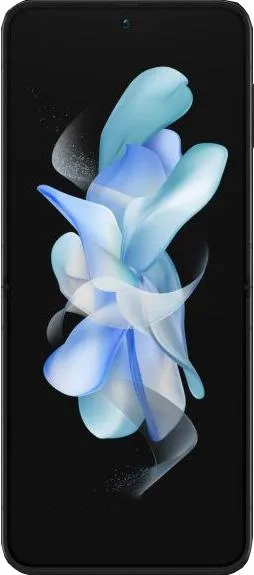
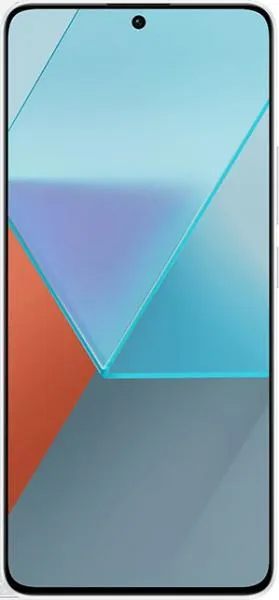
| Form Factor | Foldable | Standard | Flip5 offers portability and novelty; Note 13 Pro offers a larger, traditional screen. |
| Dimensions (mm) | 165.1 x 71.9 x 6.9 (folded) | 161.2 x 74.2 x 8 | Flip5 is significantly more compact when folded, pocketable; Note 13 Pro is thinner when unfolded. |
| Weight (g) | 187 | 187 | Identical weight despite different form factors. |
| Display | |||
| Display Type | Foldable Dynamic AMOLED 2X | AMOLED | Flip5's foldable screen offers unique usability and durability concerns; Note 13 Pro's standard AMOLED likely has better longevity. |
| Size (inches) | 6.7 | 6.67 | Negligible size difference when unfolded. |
| Resolution | 1080 x 2640 | 1220 x 2712 | Note 13 Pro has a slightly sharper display due to higher resolution. |
| Peak Brightness (nits) | 1750 | 1800 | Both offer excellent outdoor visibility; Note 13 Pro slightly brighter. |
| Refresh Rate (Hz) | 120 | 120 | Both offer smooth scrolling and animations. |
| Performance | |||
| Chipset | Snapdragon 8 Gen 2 | Snapdragon 7s Gen 2 | Flip5 boasts significantly faster CPU and GPU performance for demanding tasks and gaming. |
| CPU | Octa-core (1x3.36 GHz Cortex-X3 & 2x2.8 GHz Cortex-A715 & 2x2.8 GHz Cortex-A710 & 3x2.0 GHz Cortex-A510) | Octa-core (4x2.40 GHz Cortex-A78 & 4x1.95 GHz Cortex-A55) | Flip5's superior CPU architecture provides noticeable performance advantages. |
| GPU | Adreno 740 | Adreno 710 | Flip5 offers significantly better graphics performance for gaming and visually demanding applications. |
| RAM/Storage | 8GB/512GB | 12GB/512GB, 8/256GB, 12/256GB | Note 13 Pro offers more RAM options for better multitasking, both offer ample storage. |
| Battery | |||
| Capacity (mAh) | 3700 | 5100 | Note 13 Pro offers significantly longer battery life. |
| Other | |||
| OS | Android 13 | Android 13 | Similar software experience out of the box, but Note 13 Pro promises longer OS support. |
| Max OS Version | 14 | 16 | Note 13 Pro will receive more software updates and security patches. |
| NFC | Yes | Yes | Both support contactless payments. |
2. Key Differences Analysis
Samsung Galaxy Z Flip5 Advantages:
- Form Factor: The unique foldable design offers unmatched portability and a stylish statement.
- Flagship Performance: The Snapdragon 8 Gen 2 delivers top-tier performance for demanding tasks and gaming.
Xiaomi Redmi Note 13 Pro Advantages:
- Battery Life: The significantly larger battery capacity provides much longer usage time.
- Sharper Display: Slightly higher resolution results in a sharper image.
- Lower Price (Potentially): Depending on the specific RAM/storage configuration, the Note 13 Pro might offer a lower price point for similar storage.
- Longer Software Support: Guaranteed updates to Android 16 and beyond.
3. User Profiles & Recommendations
Samsung Galaxy Z Flip5: Ideal for users who prioritize portability and style above all else. Suitable for those who value a powerful device for on-the-go productivity and entertainment, and are willing to compromise on battery life for the foldable form factor.
Xiaomi Redmi Note 13 Pro: Best suited for users who prioritize battery life, value a large screen for media consumption, and seek a more budget-friendly option without sacrificing performance entirely. Excellent for users who want long-term software support.
4. Decision Framework
Key Questions for Buyers:
- How important is portability? If pocketability is paramount, the Flip5 is the clear winner.
- What's your budget and usage pattern? If battery life and price are major concerns, the Note 13 Pro offers better value. Heavy users will appreciate the larger battery.
- Do you prioritize the latest and greatest performance or long-term software updates? The Flip5 offers peak performance now, but the Note 13 Pro will be supported for longer.
My Choice: Xiaomi Redmi Note 13 Pro
While the Galaxy Z Flip5's foldable design is undeniably cool, the Xiaomi Redmi Note 13 Pro better suits my needs. I prioritize battery life and long-term software support. The larger battery capacity and the promise of updates to Android 16 are significant advantages. The slightly sharper display and potential price advantage further solidify my choice. Although the Snapdragon 7s Gen 2 isn't as powerful as the 8 Gen 2, it's still more than capable for my daily usage, which doesn't involve heavy gaming. The standard candybar form factor is more reliable in the long run compared to the relatively new foldable technology. Ultimately, the Note 13 Pro offers a more practical and well-rounded package for my needs.
