1. Specifications Comparison
| Feature | Samsung Galaxy Z Flip5 | Xiaomi Redmi Note 13 | Practical Impact |
|---|---|---|---|
| Design | |||
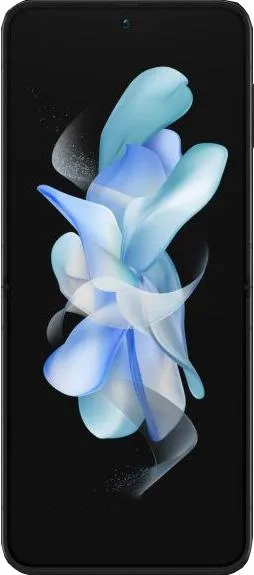
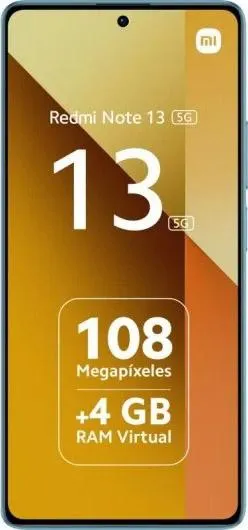
| Form Factor | Foldable | Standard Slab | Flip5 offers portability and a unique form factor, Redmi Note 13 is more traditional. |
| Dimensions (mm) | 165.1 x 71.9 x 6.9 (folded) | 161.1 x 75 x 7.6 | Flip5 is significantly more compact when folded, making it pocket-friendly. Redmi Note 13 is thinner when unfolded. |
| Weight (g) | 187 | 174.5 | Negligible weight difference in practical usage. |
| Display | |||
| Display Type | Foldable Dynamic AMOLED 2X | AMOLED | Flip5's foldable screen offers a unique experience and protection when closed. |
| Size (inches) | 6.7 | 6.67 | Virtually identical screen real estate for media consumption. |
| Resolution | 1080 x 2640 | 1080 x 2400 | Similar pixel density, Flip5 slightly sharper due to taller aspect ratio. |
| Refresh Rate (Hz) | 120 | 120 | Both offer smooth scrolling and animations. |
| Peak Brightness (nits) | 1750 | 1000 | Flip5 significantly brighter outdoors. |
| Performance | |||
| Chipset | Snapdragon 8 Gen 2 (4nm) | Mediatek Dimensity 6080 (6nm) | Flip5 boasts significantly more powerful CPU and GPU for demanding tasks and gaming. |
| CPU | Octa-core (1x3.36 GHz Cortex-X3 & 2x2.8 GHz Cortex-A715 & 2x2.8 GHz Cortex-A710 & 3x2.0 GHz Cortex-A510) | Octa-core (2x2.4 GHz Cortex-A76 & 6x2.0 GHz Cortex-A55) | Flip5 offers superior processing power for faster app loading and multitasking. |
| GPU | Adreno 740 | Mali-G57 MC2 | Flip5 provides a much better gaming experience and handles graphics-intensive tasks with ease. |
| RAM | 8GB | 8GB/12GB | Redmi Note 13 offers a 12GB RAM option for improved multitasking. |
| Storage | 512GB | 256GB | Flip5 offers double the storage capacity. |
| Battery | |||
| Capacity (mAh) | 3700 | 5000 | Redmi Note 13 offers significantly longer battery life. |
| Camera | |||
| Video Capabilities | Up to 4K@60fps (HDR), 720p@960fps (HDR) | 1080p@30fps | Flip5 offers superior video recording capabilities with higher resolution, frame rates, and HDR. No detailed camera specs provided for still photography comparison. |
| Other | |||
| OS | Android 13 | Android 13 | Both run on Android 13, but Redmi Note 13 has a longer promised update cycle (up to Android 16). |
| Price Range | Medium | Low | Redmi Note 13 offers a significantly lower price point. |
2. Key Differences Analysis
Samsung Galaxy Z Flip5 Advantages:
- Unique Foldable Design: Increased portability and a conversation starter.
- Significantly More Powerful: Superior performance for demanding tasks and gaming.
- Brighter Display: Enhanced outdoor visibility.
- Superior Video Recording: Higher resolution and frame rates.
- Double the Storage: More space for apps, photos, and videos.
Xiaomi Redmi Note 13 Advantages:
- Lower Price: Significantly more affordable.
- Longer Battery Life: Larger battery capacity for extended usage.
- Longer Software Support: Guaranteed updates to a later Android version.
- Standard Slab Design: May be preferred by users who prioritize familiarity and a larger unfolded screen.
3. User Profiles & Recommendations
Samsung Galaxy Z Flip5: Ideal for users who value portability, cutting-edge technology, a unique design, strong performance, and are willing to pay a premium. Excellent for social media content creation due to its flexible form factor and video capabilities.
Xiaomi Redmi Note 13: Ideal for budget-conscious users who prioritize battery life, long-term software updates, and a reliable, familiar smartphone experience. Excellent for everyday tasks, media consumption, and general usage.
4. Decision Framework
Key Questions for Buyers:
- Budget: How much are you willing to spend?
- Form Factor: Do you prioritize portability and a unique design or a traditional smartphone experience?
- Performance Needs: Do you require top-tier processing power for demanding tasks and gaming or is moderate performance sufficient?
My Choice: Xiaomi Redmi Note 13
While the Samsung Galaxy Z Flip5 offers a compelling foldable design and powerful performance, the Xiaomi Redmi Note 13 better suits my personal needs and priorities. As a user who values practicality and long-term value, the Redmi Note 13's significantly lower price, longer battery life, and extended software support are decisive factors. I don't require the absolute highest performance or the novelty of a foldable screen. The Redmi Note 13 provides a well-rounded package that excels in everyday usability and long-term reliability at a fraction of the cost. The superior video capabilities of the Flip5 are tempting, but not enough to justify the significant price difference given my personal usage patterns.
