
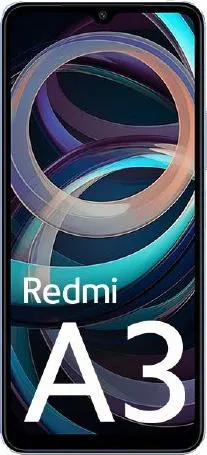
1. Specifications Comparison
| Feature | Samsung Galaxy Z Flip5 | Xiaomi Redmi A3 | Practical Impact |
|---|---|---|---|
| Design | |||
| Dimensions | 165.1 x 71.9 x 6.9 mm (folded) | 168.3 x 76.3 x 8.3 mm | Z Flip5 significantly more compact when folded, pocketable; Redmi A3 larger, traditional candybar design. |
| Weight | 187g | 193g | Negligible weight difference in practical use. |
| Foldable | Yes | No | Z Flip5 offers unique form factor, compact portability; Redmi A3 standard design. |
| Display | |||
| Display Type | Foldable Dynamic AMOLED 2X | IPS LCD | Z Flip5: superior contrast, vibrant colors, deeper blacks; Redmi A3: less vibrant, wider viewing angles potentially. |
| Size | 6.7" | 6.71" | Virtually identical screen real estate. |
| Resolution | 1080 x 2640 | 720 x 1650 | Z Flip5 significantly sharper, more detailed visuals; Redmi A3 noticeably less sharp. |
| Refresh Rate | 120Hz | 90Hz | Z Flip5 smoother animations, scrolling; Redmi A3 still smooth but less so than Z Flip5. |
| Peak Brightness | 1750 nits | Unspecified | Z Flip5 dramatically brighter, excellent outdoor visibility; Redmi A3's unspecified brightness limits assessment. |
| Performance | |||
| Chipset | Snapdragon 8 Gen 2 | Mediatek Helio G36 | Z Flip5 vastly more powerful, handles demanding tasks, gaming with ease; Redmi A3 for basic tasks, struggles with demanding applications. |
| CPU | Octa-core (1x3.36 GHz Cortex-X3 & 2x2.8 GHz Cortex-A715 & 2x2.8 GHz Cortex-A710 & 3x2.0 GHz Cortex-A510) | Octa-core (4x2.2 GHz Cortex-A53 & 4x1.6 GHz Cortex-A53) | Z Flip5 significantly faster processing speeds across various tasks. |
| GPU | Adreno 740 | PowerVR GE8320 | Z Flip5 superior graphics performance for gaming and visually demanding applications. |
| RAM/Storage | 8GB/512GB | 4GB/128GB or 6GB/128GB | Z Flip5 provides significantly more RAM and storage for multitasking and large files. Redmi A3 may experience performance limitations with less RAM. |
| Camera | |||
| Video Capabilities | Up to 4K@60fps (HDR), 720p@960fps (HDR) | 1080p@30fps | Z Flip5 offers higher resolution and frame rate video recording, slow-motion capabilities; Redmi A3 basic video recording. Detailed camera specs missing for both phones limit full comparison. |
| Battery | |||
| Capacity | 3700 mAh | 5000 mAh | Redmi A3 larger battery capacity suggests longer battery life; real-world usage varies based on factors like display and processor. |
2. Key Differences Analysis
Z Flip5 Advantages:
- Significantly more powerful: Superior performance for demanding tasks and gaming.
- Higher quality display: Sharper, brighter, and smoother with vibrant colors.
- Premium foldable design: Compact and pocketable.
- More RAM and storage: Smoother multitasking and ample space for files.
Redmi A3 Advantages:
- Potentially longer battery life: Larger battery capacity.
- Lower price: Budget-friendly option.
3. User Profiles & Recommendations
Z Flip5: Users who value performance, premium design, a compact form factor, and a cutting-edge display. Ideal for power users, content creators, and those who want a unique device. Excellent for portability and one-handed use.
Redmi A3: Users on a tight budget prioritizing basic functionality and long battery life. Suitable for light users primarily focused on communication, web browsing, and simple tasks.
4. Decision Framework
Key Questions:
- What is your budget? The Z Flip5 is a significantly more expensive device.
- What level of performance do you need? For demanding tasks, the Z Flip5 is essential.
- How important is portability and design? The Z Flip5's foldable design offers unique advantages.
Scenario-Based Recommendations:
- Limited Budget, Basic Use: Redmi A3
- Prioritize Performance and Premium Features: Z Flip5
- Value Compactness and Unique Design: Z Flip5
My Choice: Samsung Galaxy Z Flip5
While the Redmi A3 offers a budget-friendly option with potentially longer battery life, the Z Flip5's superior performance, stunning display, innovative design, and ample storage make it the clear winner for me. I prioritize a smooth user experience, high-quality visuals, and the convenience of a compact foldable phone. The price difference is justified by the significant leap in overall quality and functionality. The lack of detailed camera specifications prevents a complete assessment, but the Z Flip5's clear advantage in core features makes it the compelling choice.
