1. Specifications Comparison
| Feature | Samsung Galaxy Z Flip5 | Xiaomi Redmi 13C 5G | Practical Impact |
|---|---|---|---|
| Design | |||
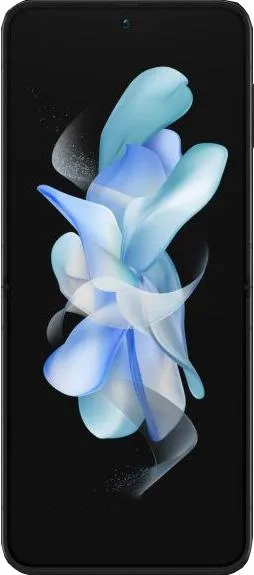
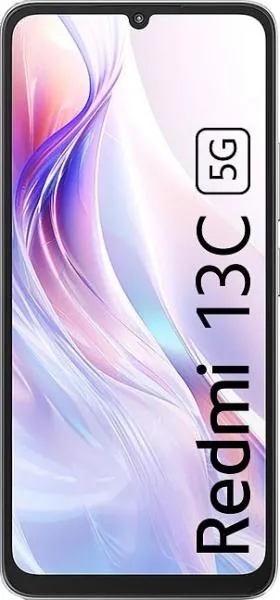
| Dimensions | 165.1x71.9x6.9mm (folded) | 168x78x8.1mm | Z Flip5 significantly more compact when folded, pocketable; Redmi 13C is a standard candy bar phone. |
| Weight | 187g | 192g | Negligible weight difference. |
| Foldable | Yes | No | Z Flip5 offers unique form factor and functionality. |
| Build | Glass front, glass back, aluminum frame | Missing Information | Durability and premium feel cannot be fully compared without Redmi 13C's build materials. |
| Display | |||
| Display Type | Foldable Dynamic AMOLED 2X | IPS LCD | Z Flip5 offers superior contrast, vibrant colors, and deeper blacks. |
| Size | 6.7" | 6.74" | Negligible size difference. |
| Resolution | 1080 x 2640 | 720 x 1600 | Z Flip5 significantly sharper and more detailed. Redmi 13C's resolution is noticeably lower. |
| Refresh Rate | 120Hz | 90Hz | Z Flip5 provides smoother scrolling and animations. |
| Peak Brightness | 1750 nits | 600 nits (HBM) | Z Flip5 dramatically brighter, ensuring better outdoor visibility. |
| Performance | |||
| Chipset | Snapdragon 8 Gen 2 | Dimensity 6100+ | Z Flip5 offers significantly faster processing, enabling demanding tasks and gaming. |
| CPU | Octa-core (1x3.36 GHz Cortex-X3 & 2x2.8 GHz Cortex-A715 & 2x2.8 GHz Cortex-A710 & 3x2.0 GHz Cortex-A510) | Octa-core (2x2.2 GHz Cortex-A76 & 6x2.0 GHz Cortex-A55) | Z Flip5 has a more powerful and efficient CPU architecture. |
| GPU | Adreno 740 | Mali-G57 MC2 | Z Flip5 boasts superior graphics performance for gaming and visually intensive applications. |
| RAM | 8GB | 6GB | Z Flip5 allows for smoother multitasking. |
| Storage | 512GB | 128GB | Z Flip5 provides significantly more storage space for apps, media, and files. |
| Camera | Missing detailed camera specifications for both phones prevent in-depth comparison. | ||
| Video Capabilities | Up to 4K@60fps (HDR), 960fps slow-mo | 1080p@30fps | Z Flip5 offers superior video recording capabilities with higher resolution, frame rates, and HDR. |
| Battery | |||
| Capacity | 3700 mAh | 5000 mAh | Redmi 13C likely to offer longer battery life due to larger capacity; however, real-world usage varies greatly. |
2. Key Differences Analysis
Samsung Galaxy Z Flip5 Advantages:
- Significantly more powerful: Snapdragon 8 Gen 2 provides flagship-level performance for demanding tasks and gaming.
- Superior Display: Foldable Dynamic AMOLED 2X offers vibrant colors, deep blacks, high brightness, and a smooth 120Hz refresh rate.
- Premium Design and Portability: Compact foldable design for unique functionality and pocketability.
- More Storage: 512GB offers ample space for apps and files.
- Better Video Recording: Supports higher resolution, frame rates, and HDR.
Xiaomi Redmi 13C 5G Advantages:
- Larger Battery: 5000 mAh suggests potentially longer battery life.
- Potentially Lower Price: Though both are mid-range, the Redmi 13C likely sits at a lower price point within the range.
3. User Profiles & Recommendations
Samsung Galaxy Z Flip5: Users who value cutting-edge technology, portability, a premium design, and top-tier performance. Ideal for content creation, gaming, and those who want a unique, compact device.
Xiaomi Redmi 13C 5G: Users prioritizing battery life and affordability over top-end performance and features. Suitable for basic tasks, media consumption, and users seeking a large screen on a budget.
4. Decision Framework
Key Questions:
- Budget: How much are you willing to spend?
- Performance Needs: Do you need a powerful phone for demanding tasks or gaming?
- Form Factor: Do you prioritize portability and a unique design or a traditional smartphone experience?
My Choice: Samsung Galaxy Z Flip5
While the Redmi 13C 5G offers a larger battery and potentially lower price, the Z Flip5's significant advantages in performance, display quality, design, and overall feature set make it the clear winner for me. The foldable form factor offers a unique user experience and unmatched portability. I prioritize performance and a premium experience, making the Z Flip5's higher price justifiable for my needs. The Snapdragon 8 Gen 2, the brilliant display, and ample storage outweigh the Redmi's larger battery. The lack of detailed specifications for the Redmi 13C, particularly regarding its build quality and camera, further reinforces my preference for the Z Flip5. While battery life is important, I can manage with the Z Flip5's battery, especially considering the significantly enhanced overall user experience it provides.
