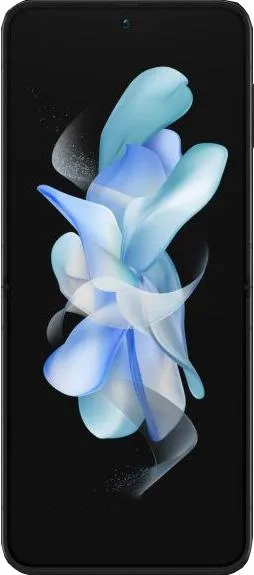

1. Specifications Comparison
| Feature | Samsung Galaxy Z Flip5 | Xiaomi Redmi 13C | Practical Impact |
|---|---|---|---|
| Design | |||
| Dimensions | 165.1 x 71.9 x 6.9 mm (folded) | 168 x 78 x 8.1 mm | Flip5 significantly more compact when folded, pocketable; Redmi 13C traditional candybar design. |
| Weight | 187g | 192g | Negligible weight difference. |
| Build | Foldable Glass | Plastic | Flip5 premium feel and durability; Redmi 13C more prone to scratches. Missing Redmi 13C build material information limits comparison. |
| Display | |||
| Type | Foldable Dynamic AMOLED 2X | IPS LCD | Flip5 superior contrast, vibrant colors, deeper blacks; Redmi 13C more washed-out colors, less vibrant. |
| Size | 6.7" | 6.74" | Virtually identical screen real estate. |
| Resolution | 1080 x 2640 | 720 x 1600 | Flip5 significantly sharper, clearer image; Redmi 13C noticeable pixelation at this size. |
| Refresh Rate | 120Hz | 90Hz | Flip5 smoother animations, scrolling, and gaming experience; Redmi 13C still smooth but less so. |
| Peak Brightness | 1750 nits | 600 nits (HBM) | Flip5 dramatically better visibility outdoors; Redmi 13C struggles in direct sunlight. |
| Performance | |||
| Chipset | Snapdragon 8 Gen 2 | Helio G85 | Flip5 vastly more powerful, handles demanding tasks and gaming with ease; Redmi 13C basic tasks, casual gaming only. |
| CPU | Octa-core (up to 3.36 GHz) | Octa-core (up to 2.0 GHz) | Flip5 significantly faster processing speeds, smoother multitasking. |
| GPU | Adreno 740 | Mali-G52 MC2 | Flip5 considerably better gaming and graphics performance. |
| RAM/Storage | 8GB/512GB | 6GB/128GB, 8GB/256GB | Flip5 larger base storage, though both offer ample RAM for their respective performance tiers. |
| Camera | Missing detailed specs for both phones. | Missing detailed specs for both phones. | Insufficient data to compare camera quality and features. |
| Battery | |||
| Capacity | 3700 mAh | 5000 mAh | Redmi 13C likely longer battery life due to larger capacity and less demanding hardware; Flip5 foldable screen and powerful processor consume more power. |
2. Key Differences Analysis
Samsung Galaxy Z Flip5 Advantages:
- Significantly more powerful: Superior performance for demanding tasks and gaming.
- Premium foldable design: Compact and pocketable when folded.
- Stunning display: Vibrant colors, high resolution, smooth refresh rate, excellent outdoor visibility.
Xiaomi Redmi 13C Advantages:
- Longer battery life: Larger battery capacity.
- Lower price: Significantly more affordable.
- Larger base storage options: Offers up to 256GB.
3. User Profiles & Recommendations
Samsung Galaxy Z Flip5: Users who value cutting-edge technology, premium design, portability, and top-tier performance. Ideal for power users, content creators, and those who want a unique, compact device.
Xiaomi Redmi 13C: Budget-conscious users who prioritize basic functionality, long battery life, and a large screen. Suitable for casual users, students, and those primarily using their phone for communication, social media, and light browsing.
4. Decision Framework
Key Questions for Buyers:
- What is your budget? The Flip5 is significantly more expensive.
- What level of performance do you need? The Flip5 offers flagship performance, while the Redmi 13C is for basic tasks.
- Do you prioritize portability and a unique design? The Flip5's foldable design is a key differentiator.
My Choice: Samsung Galaxy Z Flip5
While the Redmi 13C offers excellent value for its price, the Samsung Galaxy Z Flip5 aligns better with my personal preferences and needs. I prioritize performance, a premium user experience, and the innovative foldable design that allows for unparalleled portability. The superior display, faster processor, and smoother software experience are worth the premium price for me. I am willing to compromise on battery life for the significant gains in other areas. The compact size when folded is a huge advantage for daily use. While I acknowledge the Redmi 13C's strengths in battery life and affordability, the Flip5's advantages are more compelling for my usage patterns.
