1. Specifications Comparison
| Feature | Samsung Galaxy Z Flip5 | Xiaomi Redmi 13 | Practical Impact |
|---|---|---|---|
| Design | |||
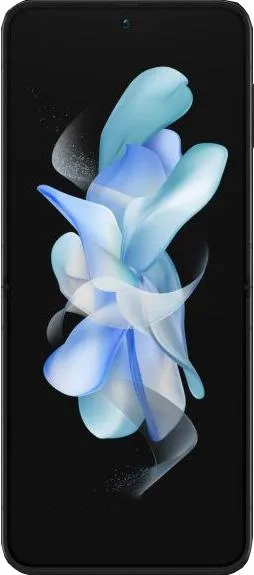
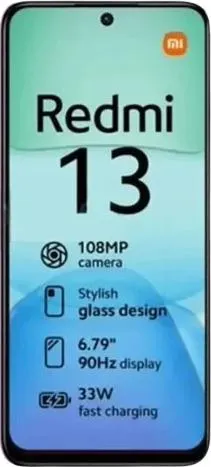
| Dimensions | 165.1 x 71.9 x 6.9 mm (folded) | 168.6 x 76.3 x 8.3 mm | Flip5 significantly more compact when folded, pocketable; Redmi 13 is a standard candybar design. |
| Weight | 187g | 205g | Flip5 noticeably lighter. |
| Foldable | Yes | No | Flip5 offers unique form factor and portability. |
| Build | Glass front, glass back, aluminum frame | Information not available | Durability and premium feel cannot be fully compared without Redmi 13 build materials. |
| Display | |||
| Display Type | Foldable Dynamic AMOLED 2X | IPS LCD | Flip5 offers superior contrast, colors, and viewing angles; potentially better outdoor visibility due to higher peak brightness. |
| Size | 6.7" | 6.79" | Negligible size difference in practical use. |
| Resolution | 1080 x 2640 | 1080 x 2460 | Comparable sharpness; Flip5 slightly taller aspect ratio. |
| Refresh Rate | 120Hz | 90Hz | Flip5 provides smoother scrolling and animations. |
| Peak Brightness | 1750 nits | Not available, 550 nits typical | Flip5 likely significantly brighter, especially outdoors. |
| Performance | |||
| Chipset | Snapdragon 8 Gen 2 | MediaTek Helio G91 Ultra | Flip5 offers significantly faster CPU and GPU performance, enabling smoother multitasking, gaming, and demanding applications. |
| CPU | Octa-core (1x3.36 GHz Cortex-X3 & 2x2.8 GHz Cortex-A715 & 2x2.8 GHz Cortex-A710 & 3x2.0 GHz Cortex-A510) | Octa-core (2x2.0 GHz Cortex-A75 & 6x1.8 GHz Cortex-A55) | Flip5's CPU architecture is newer and more powerful. |
| GPU | Adreno 740 | Mali-G52 MC2 | Flip5 provides a substantially better gaming and graphics experience. |
| RAM | 8GB | 8GB | Comparable RAM capacity. |
| Storage | 512GB | 256GB | Flip5 offers double the storage. |
| Battery | |||
| Capacity | 3700 mAh | 5030 mAh | Redmi 13 has significantly larger battery capacity, potentially leading to longer battery life. |
| Camera | |||
| Video Capabilities | 4K@30/60fps (HDR), 1080p@60/240fps (HDR), 720p@960fps (HDR) | 1080p@30fps | Flip5 offers significantly better video recording capabilities with higher resolution, frame rates, and HDR. Detailed camera specifications are missing for both phones, limiting a complete comparison. |
| Other | |||
| OS | Android 13 | Android 14 | Redmi 13 ships with a newer Android version. |
| NFC | Yes | Yes | Both support contactless payments. |
| Price Range | Medium | Low | Redmi 13 significantly more affordable. |
2. Key Differences Analysis
Flip5 Advantages:
- Significantly more powerful: Superior performance for demanding tasks and gaming.
- Higher quality display: Brighter, more vibrant, and smoother with a 120Hz refresh rate.
- Premium and Compact Design: Foldable design offers unique portability.
- Superior video recording capabilities: Wider range of resolutions and frame rates.
Redmi 13 Advantages:
- Larger battery: Potentially much longer battery life.
- Lower price: Significantly more affordable.
- Newer Android version: Ships with Android 14.
Trade-offs:
- Flip5's portability and performance come at a higher price and potentially shorter battery life.
- Redmi 13's lower price means compromises on performance, display quality, and camera features.
3. User Profiles & Recommendations
Flip5 Ideal User: Users who value portability, premium design, a great display, strong performance, and are willing to pay a premium. Suitable for power users, content creators, and those who want a unique device.
Redmi 13 Ideal User: Budget-conscious users who prioritize battery life and basic functionality. Suitable for everyday tasks like browsing, social media, and communication.
4. Decision Framework
Key Questions:
- What is your budget? The Redmi 13 is significantly cheaper.
- What is your priority: Performance or battery life? Flip5 excels in performance; Redmi 13 likely has longer battery life.
- How important is portability and a unique design? The Flip5's foldable design is a key differentiator.
My Choice: Samsung Galaxy Z Flip5
While the Redmi 13 offers excellent value for its price, the Samsung Galaxy Z Flip5 aligns better with my personal priorities. I value a smooth and responsive user experience, a high-quality display, and the unique portability offered by the foldable design. I am willing to pay a premium for these features. The significantly more powerful processor, brighter and smoother display, and compact form factor of the Flip5 outweigh the Redmi 13's advantages in battery life and price for my usage. While battery life is important, I prioritize performance and portability more. The Flip5's superior camera capabilities for video recording are also a significant factor for me.
