1. Specifications Comparison
| Feature | Samsung Galaxy Z Flip5 | Xiaomi Poco X6 | Practical Impact |
|---|---|---|---|
| Design | |||
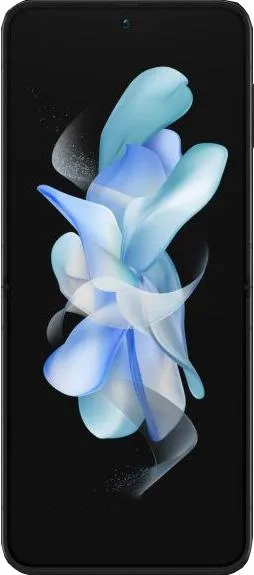
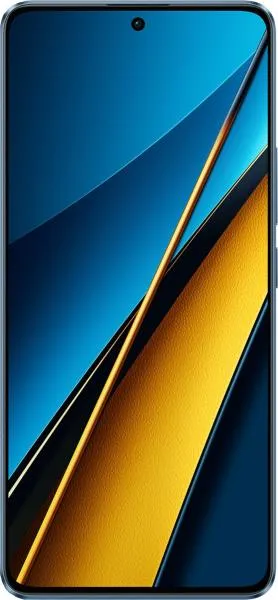
| Dimensions | 165.1 x 71.9 x 6.9 mm (folded) | 161.2 x 74.3 x 8 mm | Flip5 is significantly more compact when folded, enhancing portability; Poco X6 is a traditional slab design. |
| Weight | 187g | 181g | Negligible weight difference in real-world usage. |
| Foldable | Yes | No | Flip5 offers unique form factor and functionality due to its folding capability. |
| Display | |||
| Display Type | Foldable Dynamic AMOLED 2X | AMOLED | Flip5's foldable display allows for a larger screen in a smaller form factor; Poco X6 offers a standard, larger display. |
| Size | 6.7" | 6.67" | Virtually identical screen real estate when unfolded. |
| Resolution | 1080 x 2640 | 1220 x 2712 | Poco X6 has a slightly higher resolution, resulting in marginally sharper text and images. |
| Refresh Rate | 120Hz | 120Hz | Both offer smooth scrolling and animations. |
| Peak Brightness | 1750 nits | 1800 nits | Poco X6 boasts slightly higher peak brightness, potentially improving outdoor visibility. |
| Performance | |||
| Chipset | Snapdragon 8 Gen 2 | Snapdragon 7s Gen 2 | Flip5 utilizes a flagship processor, offering significantly better performance in demanding tasks and gaming compared to the mid-range chip in the Poco X6. |
| CPU | Octa-core (1x3.36 GHz Cortex-X3 & 2x2.8 GHz Cortex-A715 & 2x2.8 GHz Cortex-A710 & 3x2.0 GHz Cortex-A510) | Octa-core (4x2.40 GHz Cortex-A78 & 4x1.95 GHz Cortex-A55) | Flip5's CPU architecture provides superior processing power and efficiency. |
| GPU | Adreno 740 | Adreno 710 | Flip5's GPU offers significantly better graphics performance for gaming and visually intensive applications. |
| RAM/Storage | 8GB/512GB | 12GB/256GB or 12GB/512GB | Poco X6 offers more RAM in both its storage configurations, potentially improving multitasking; Storage options vary. |
| Battery | |||
| Capacity | 3700 mAh | 5100 mAh | Poco X6 has a substantially larger battery, likely resulting in significantly longer battery life. |
| Camera | |||
| Video Capabilities | 4K@30/60fps (HDR), up to 720p@960fps (HDR) | 4K@30fps (EIS), 1080p@30/60fps (EIS) | Flip5 offers superior video recording capabilities, including higher resolution and frame rate options along with HDR; detailed camera specifications are missing for proper comparison. |
2. Key Differences Analysis
Samsung Galaxy Z Flip5 Advantages:
- Form Factor: The foldable design offers unparalleled portability and a unique user experience.
- Flagship Performance: The Snapdragon 8 Gen 2 delivers top-tier performance.
- Superior Video Recording: More versatile and higher quality video capabilities.
Xiaomi Poco X6 Advantages:
- Battery Life: Significantly larger battery capacity suggests much longer usage time.
- Larger RAM: More RAM could improve multitasking performance.
- Price: Likely more affordable given the mid-range specifications. (Exact pricing not provided)
3. User Profiles & Recommendations
Samsung Galaxy Z Flip5: Ideal for users who prioritize portability, cutting-edge technology, a unique form factor, and strong performance. Best for those who value compact design and are willing to compromise on battery life for it.
Xiaomi Poco X6: Suitable for users who prioritize battery life, a large screen, and value for money. A good choice for those who consume a lot of media, are heavy multitaskers, and don't need the absolute best performance.
4. Decision Framework
Key Questions for Buyers:
- How important is portability? If ultimate portability is paramount, the Flip5's foldable design is a significant advantage.
- What is your budget and performance requirement? The Flip5 offers premium performance at a higher price point; the Poco X6 balances performance and affordability.
- How important is battery life? If all-day battery life is crucial, the Poco X6's larger battery is a compelling factor.
My Choice: Xiaomi Poco X6
While the Samsung Galaxy Z Flip5 is undeniably innovative and powerful, the Xiaomi Poco X6 better suits my personal needs. I prioritize long battery life and a large screen for media consumption and productivity. The Poco X6's significant advantage in battery capacity, coupled with a large, high-refresh-rate AMOLED display and ample RAM for multitasking, outweighs the Flip5's foldable design and superior processing power for my use case. The likely price difference further solidifies the Poco X6 as the more practical choice for me. While I appreciate the Flip5's innovation, I am willing to trade the foldable form factor for the substantial gains in battery life and potential cost savings.
