1. Specifications Comparison
| Feature | Samsung Galaxy Z Flip5 | Realme 12 Pro | Practical Impact |
|---|---|---|---|
| Design | |||
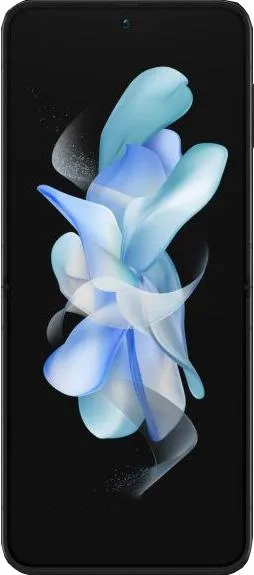
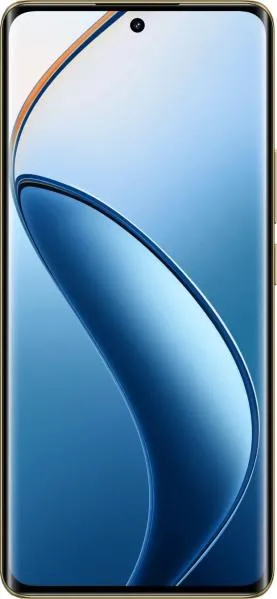
| Form Factor | Foldable Clamshell | Candybar | Flip5 offers portability and novelty; Realme 12 Pro offers a traditional form factor. |
| Dimensions | 165.1 x 71.9 x 6.9 mm (unfolded) | 161.5 x 74 x 8.8 mm | Flip5 is significantly more compact when folded, enhancing portability; Realme 12 Pro is thinner when unfolded. |
| Weight | 187g | 190g | Negligible weight difference in practical usage. |
| Display | |||
| Display Type | Foldable Dynamic AMOLED 2X, 120Hz, HDR10+ | AMOLED, 1B colors, 120Hz | Flip5's foldable display offers unique functionality; both offer smooth scrolling and vibrant colors. Realme 12 Pro supports 1 Billion colors |
| Size | 6.7" | 6.7" | Same screen size. |
| Resolution | 1080 x 2640 | 1080 x 2412 | Similar pixel density, minimal difference in sharpness. Flip5's taller aspect ratio better suited for scrolling. |
| Peak Brightness | 1750 nits | 950 nits | Flip5 offers significantly better outdoor visibility. |
| Performance | |||
| Chipset | Snapdragon 8 Gen 2 (4 nm) | Snapdragon 6 Gen 1 (4 nm) | Flip5 boasts significantly superior CPU and GPU performance, resulting in smoother multitasking, gaming, and demanding applications. |
| CPU | Octa-core (1x3.36 GHz Cortex-X3 & ...) | Octa-core (4x2.2 GHz Cortex-A78 & ...) | Flip5 offers significantly faster processing speeds. |
| GPU | Adreno 740 | Adreno 710 | Flip5 offers significantly better graphics performance. |
| RAM | 8GB | 8GB | Same RAM capacity. |
| Storage | 512GB | 256GB | Flip5 offers double the storage capacity. |
| Battery | |||
| Capacity | 3700 mAh | 5000 mAh | Realme 12 Pro offers significantly longer battery life. |
| Camera - Missing detailed specs, cannot compare | |||
| Other | |||
| OS | Android 13 (upgradable to 14) | Android 14 | Both run on modern Android versions. |
| NFC | Yes | Yes | Both support contactless payments and data transfer. |
2. Key Differences Analysis
Samsung Galaxy Z Flip5 Advantages:
- Significantly more powerful: Snapdragon 8 Gen 2 offers a major performance advantage for demanding tasks and gaming.
- Brighter Display: Much higher peak brightness ensures excellent outdoor visibility.
- Foldable Design: Offers unique portability and a stylish form factor.
- Double the storage: 512GB provides ample space for apps, media, and files.
Realme 12 Pro Advantages:
- Larger Battery: 5000 mAh battery provides significantly longer usage time.
- Lower Expected Price: Typically more affordable within the "medium price" range.
- More modern USB: USB Type-C 3.2 vs USB Type-C 2.0
3. User Profiles & Recommendations
Samsung Galaxy Z Flip5: Ideal for users who prioritize performance, portability, a unique design, and are willing to pay a premium. Best for power users, content creators, and those who value a compact device.
Realme 12 Pro: Ideal for users who prioritize battery life, affordability, and a traditional smartphone experience. Best for everyday users, social media enthusiasts, and those seeking long battery endurance.
4. Decision Framework
Key Questions:
- What is your budget? The Flip5 is expected to be more expensive.
- Do you prioritize performance or battery life? Flip5 excels in performance; Realme 12 Pro in battery life.
- Is a foldable design important to you? This is a key differentiator.
My Choice: Samsung Galaxy Z Flip5
While the Realme 12 Pro offers impressive battery life, the Samsung Galaxy Z Flip5's significantly superior performance, brighter display, unique foldable design, and larger storage make it the more compelling device for me. I prioritize a smooth user experience, excellent outdoor visibility, and the convenience of a compact foldable phone. I am willing to compromise on battery life for these advantages and carry a portable charger if needed. The Flip5's faster processor future-proofs the device better for demanding applications and ensures a longer usable lifespan. The foldable form factor genuinely improves portability, fitting easily into smaller pockets. The difference in build quality and long-term software support likely leans towards Samsung as well, though this wasn't explicitly stated in the provided data.
