1. Specifications Comparison
| Feature | Samsung Galaxy Z Flip5 | Nothing Phone (2a) | Practical Impact |
|---|---|---|---|
| Design | |||
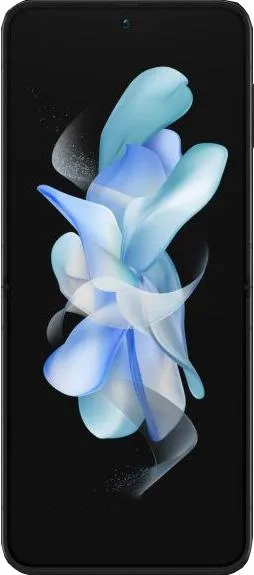
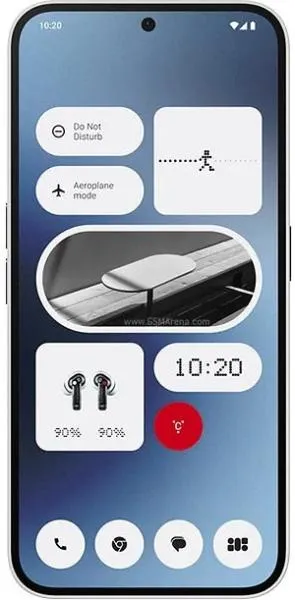
| Dimensions | 165.1 x 71.9 x 6.9 mm (folded) | 161.7 x 76.3 x 8.6 mm | Flip5 is significantly more compact when folded, enhancing portability; Phone (2a) is a more traditional slab design. |
| Weight | 187g | 201g | Flip5 is noticeably lighter, reducing hand fatigue. |
| Foldable | Yes | No | Flip5 offers unique form factor with a smaller folded size; Phone (2a) is a standard candybar design. |
| Display | |||
| Display Type | Foldable Dynamic AMOLED 2X | AMOLED | Flip5's folding display allows for unique use cases and a compact folded size; Phone (2a) offers a larger, uninterrupted screen. |
| Size | 6.7" | 6.7" | Screen real estate is comparable, but aspect ratios differ due to Flip5's folding design. |
| Resolution | 1080 x 2640 | 1080 x 2412 | Similar pixel density but Flip5's taller aspect ratio provides more vertical content. |
| Peak Brightness | 1750 nits | 1600 nits | Flip5 offers better outdoor visibility in direct sunlight. |
| Refresh Rate | 120Hz | 120Hz | Both offer smooth scrolling and animations. |
| Performance | |||
| Chipset | Snapdragon 8 Gen 2 | Dimensity 9000+ | Snapdragon 8 Gen 2 generally provides superior performance in benchmarks and demanding tasks. |
| CPU | Octa-core (1x3.36 GHz Cortex-X3 & 2x2.8 GHz Cortex-A715 & 2x2.8 GHz Cortex-A710 & 3x2.0 GHz Cortex-A510) | Octa-core (1x3.2 GHz Cortex-X2 & 3x2.85 GHz Cortex-A710 & 4x1.8 GHz Cortex-A510) | Flip5's CPU architecture should offer a performance advantage in demanding tasks and multitasking. |
| GPU | Adreno 740 | Mali-G710 MC10 | Adreno 740 generally offers better gaming performance. |
| RAM | 8GB | 12GB | Phone (2a)'s larger RAM could provide smoother multitasking and better performance with numerous open apps. |
| Storage | 512GB | 256GB | Flip5 offers double the storage capacity. |
| Battery | |||
| Capacity | 3700 mAh | 4500 mAh | Phone (2a) likely offers longer battery life due to larger capacity. |
| Camera | Not enough information provided | Not enough information provided | Insufficient data to compare camera performance and features. |
2. Key Differences Analysis
Samsung Galaxy Z Flip5 Advantages:
- Portability: Significantly smaller when folded.
- Unique Form Factor: Offers a unique user experience with its folding design.
- More Powerful Chipset: Snapdragon 8 Gen 2 generally provides better performance.
- Brighter Display: Enhanced outdoor visibility.
- Larger Storage: Double the storage capacity compared to Phone (2a).
Nothing Phone (2a) Advantages:
- Larger Battery: Potentially longer battery life.
- More RAM: Potentially smoother multitasking.
- Lower Price: Typically less expensive than the Flip5.
- Larger Display Area (when unfolded): Provides a more immersive experience for media consumption.
Trade-offs:
- Flip5: Higher price, smaller battery capacity, crease in the folding display.
- Phone (2a): Less powerful chipset, lower peak brightness, less storage.
3. User Profiles & Recommendations
Samsung Galaxy Z Flip5: Ideal for users who prioritize portability and a unique, compact design. Suitable for those who value a powerful device for on-the-go productivity and entertainment.
Nothing Phone (2a): Suitable for users who prioritize battery life and a large screen for media consumption. A good option for budget-conscious buyers who still want a capable device.
4. Decision Framework
Key Questions for Buyers:
- How important is portability? If pocket-ability is paramount, the Flip5's folding design is a significant advantage.
- What is your budget? The Phone (2a) generally offers better value for money in terms of raw specifications.
- What are your primary use cases? For demanding tasks and productivity, the Flip5's superior chipset is beneficial; for media consumption and longer battery life, the Phone (2a) is more suitable.
My Choice: Samsung Galaxy Z Flip 5
While the Nothing Phone (2a) offers a compelling package with its larger battery and more RAM, I would choose the Samsung Galaxy Z Flip5. The innovative folding design significantly enhances portability without sacrificing screen size when needed. The powerful Snapdragon 8 Gen 2 chip ensures smooth performance for demanding tasks and the brighter display is crucial for outdoor use. While battery life might be a slight concern, the unique form factor and superior performance outweigh this for me. The Flip5's compact size when folded is a game-changer for everyday carry, making it a more compelling device overall. I am willing to compromise on battery life for the significant gains in portability and performance. Furthermore, the vastly larger storage capacity on the Flip 5 is crucial for my needs.
