1. Specifications Comparison
| Feature | Samsung Galaxy Z Flip5 | Motorola Moto G85 | Practical Impact |
|---|---|---|---|
| Design | |||
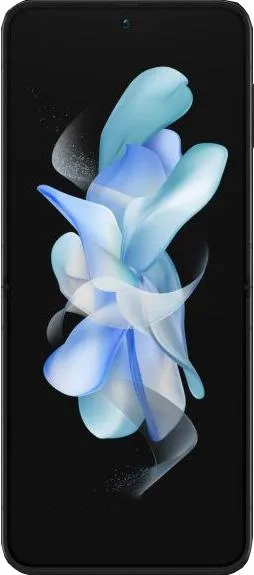
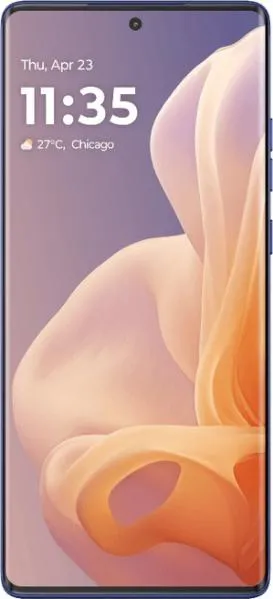
| Form Factor | Foldable | Candybar | Flip5 offers portability and novelty; Moto G85 provides a traditional, larger screen experience. |
| Dimensions | 165.1 x 71.9 x 6.9 mm (folded) | 161.9 x 73.1 x 7.6 mm | Flip5 is significantly more compact when folded, pocketable; Moto G85 is thinner when unfolded but larger overall. |
| Weight | 187g | 171g | Flip5 feels slightly heavier despite smaller size; both are relatively lightweight for their size. |
| Display | |||
| Type | Foldable Dynamic AMOLED 2X, 120Hz | P-OLED, 120Hz | Flip5's foldable screen offers unique usability; both offer smooth scrolling and vibrant colors due to OLED technology and 120Hz. |
| Size | 6.7" | 6.67" | Negligible size difference in practical usage. |
| Resolution | 1080 x 2640 | 1080 x 2400 | Flip5 has a slightly taller aspect ratio; both offer sharp visuals. |
| Peak Brightness | 1750 nits | 1600 nits | Flip5 offers better visibility in direct sunlight. |
| Performance | |||
| Chipset | Snapdragon 8 Gen 2 (4 nm) | Snapdragon 6s Gen 3 (6 nm) | Flip5 offers significantly faster processing and graphics performance for demanding tasks and gaming. |
| CPU | Octa-core (1x3.36 GHz Cortex-X3 & ...) | Octa-core (2x2.3 GHz Cortex-A78 & ...) | Flip5's CPU architecture provides superior performance in multi-tasking and demanding applications. |
| GPU | Adreno 740 | Adreno 619 | Flip5's GPU provides a much better gaming and graphics-intensive application experience. |
| RAM | 8GB | 12GB | Moto G85 having more RAM might help with multitasking, but Flip5's superior processor will likely handle tasks smoother overall. |
| Storage | 512GB | 256GB | Flip5 offers double the storage. |
| Camera | Not specified | Not specified | Cannot compare without detailed camera specifications. |
| Battery | |||
| Capacity | 3700 mAh | 5000 mAh | Moto G85 boasts significantly longer battery life. |
2. Key Differences Analysis
Samsung Galaxy Z Flip5 Advantages:
- Significantly more powerful: The Snapdragon 8 Gen 2 vastly outperforms the Snapdragon 6s Gen 3, resulting in smoother multitasking, faster app loading, and superior gaming capabilities.
- Brighter Display: The 1750 nits peak brightness ensures excellent outdoor visibility.
- Foldable Design: Offers unique portability and a compact form factor.
- More Storage: Double the storage capacity compared to the Moto G85.
Motorola Moto G85 Advantages:
- Larger Battery: The 5000 mAh battery provides significantly longer usage time on a single charge.
- More RAM: While the processor is less powerful, the larger RAM could improve multitasking for lighter applications.
- Lower Expected Price: Given the specifications, the Moto G85 is likely more affordable.
Trade-offs:
- Flip5: Sacrifices battery life for performance and portability. The foldable screen, while novel, introduces a potential point of failure.
- Moto G85: Compromises on processing power and overall performance for longer battery life and a potentially lower price.
3. User Profiles & Recommendations
Samsung Galaxy Z Flip5: Ideal for users who prioritize performance, portability, and a unique, fashionable design. Best for demanding tasks, gaming, and those who value a compact phone.
Motorola Moto G85: Suitable for users who prioritize battery life and value for money. Best for everyday tasks, media consumption, and those seeking a large screen experience without breaking the bank.
4. Decision Framework
Key Questions for Buyers:
- What is your budget? The Flip5 is likely more expensive.
- What is your primary phone usage? Demanding tasks and gaming (Flip5) vs. everyday use and long battery life (Moto G85).
- How important is portability? The Flip5's foldable design offers unmatched portability.
My Choice: Samsung Galaxy Z Flip5
While the Motorola Moto G85 offers tempting features like a larger battery and more RAM, the significantly superior performance of the Samsung Galaxy Z Flip5 is the deciding factor for me. The Snapdragon 8 Gen 2 is a powerhouse that ensures a smooth and responsive user experience, even with demanding tasks and games. I also highly value the compactness and portability offered by the foldable design, which aligns with my on-the-go lifestyle. While battery life is a concern, I am willing to compromise in this area for the significant performance gains and unique form factor. The larger storage capacity of the Flip5 also addresses my needs better. Finally, I am willing to invest more for a premium experience and cutting-edge technology.
