1. Specifications Comparison
| Feature | Samsung Galaxy Z Flip5 | Motorola Moto G54 | Practical Impact |
|---|---|---|---|
| Design | |||
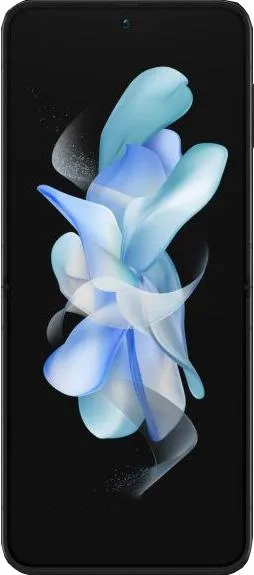
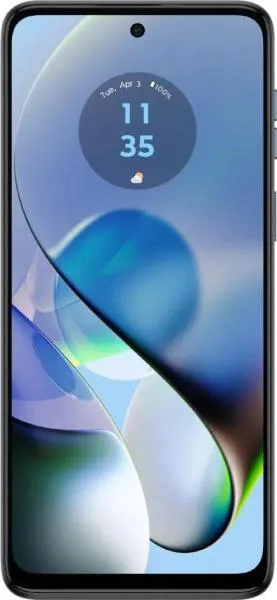
| Dimensions | 165.1 x 71.9 x 6.9 mm (folded) | 161.6 x 73.8 x 8 mm | Z Flip5 significantly more compact when folded, pocketable; Moto G54 thinner when unfolded. |
| Weight | 187g | 177g | Negligible weight difference in practical use. |
| Foldable | Yes | No | Z Flip5 offers unique form factor, compact portability; Moto G54 traditional slab design. |
| Build | Glass front & back, Aluminum frame | Missing Information | Durability and premium feel comparison not possible without G54 build materials. |
| Display | |||
| Display Type | Foldable Dynamic AMOLED 2X | IPS LCD | Z Flip5: Superior contrast, vibrant colors, deeper blacks; Moto G54: Potentially better outdoor visibility. |
| Size | 6.7" | 6.5" | Minor size difference; both offer large screen real estate. |
| Resolution | 1080 x 2640 | 1080 x 2400 | Comparable sharpness; Z Flip5 slightly higher pixel density (425 vs 405 ppi). |
| Refresh Rate | 120Hz | 120Hz | Both offer smooth scrolling and animations. |
| Peak Brightness | 1750 nits | Missing Information | Z Flip5 excels in bright outdoor conditions; G54 brightness comparison impossible. |
| Performance | |||
| Chipset | Snapdragon 8 Gen 2 (4nm) | MediaTek Dimensity 7020 (6nm) | Z Flip5 significantly more powerful, better for demanding tasks and gaming. |
| CPU | Octa-core (1x3.36 GHz Cortex-X3 & 2x2.8 GHz Cortex-A715 & 2x2.8 GHz Cortex-A710 & 3x2.0 GHz Cortex-A510) | Octa-core (2x2.2 GHz Cortex-A78 & 6x2.0 GHz Cortex-A55) | Z Flip5 superior CPU performance in multi-core and single-core workloads. |
| GPU | Adreno 740 | IMG BXM-8-256 | Z Flip5 offers significantly better graphics performance for gaming and visual tasks. |
| RAM | 8GB | 8GB | Both offer ample RAM for multitasking. |
| Storage | 512GB | 256GB | Z Flip5 offers double the storage capacity. |
| Battery | |||
| Capacity | 3700 mAh | 5000 mAh | Moto G54 significantly larger battery capacity, likely longer battery life. Z Flip5 smaller battery due to foldable design constraints. |
| Camera | |||
| Video Capabilities | Up to 4K@60fps (HDR), 720p@960fps (HDR) | Up to 1080p@60fps | Z Flip5 offers higher resolution and frame rate video recording, plus slow-motion capabilities. Missing detailed camera specs for both phones limit in-depth comparison. |
2. Key Differences Analysis
Z Flip5 Advantages:
- Form Factor: Unique foldable design for compact portability and stylish appeal.
- Superior Performance: Significantly faster processor and graphics for demanding tasks and gaming.
- Brighter, More Vibrant Display: Dynamic AMOLED 2X offers better colors, contrast, and outdoor visibility (compared to a standard IPS LCD).
- More Storage: Double the storage capacity of the Moto G54.
- Advanced Video Capabilities: Higher resolution and slow-motion video recording.
Moto G54 Advantages:
- Longer Battery Life: Larger battery capacity likely translates to significantly longer usage time.
- Potentially Lower Price: While both are mid-range, the Moto G54 might be more budget-friendly.
3. User Profiles & Recommendations
Z Flip5: Users who prioritize portability, style, a premium experience, and strong performance. Ideal for those who value a compact phone without sacrificing performance and are willing to pay a premium for the foldable design.
Moto G54: Users who prioritize battery life and value for money. Suitable for everyday users focusing on essential tasks like communication, web browsing, and media consumption.
4. Decision Framework
Key Questions:
- How important is portability and style? Foldable design a priority?
- What's your budget? Z Flip5 likely more expensive.
- What are your primary use cases? Demanding tasks/gaming vs. basic usage.
My Choice: Samsung Galaxy Z Flip5
While the Moto G54 offers a compelling battery life advantage, the Z Flip5's superior performance, stunning display, and unique foldable design are decisive factors for me. I value the compact portability and premium experience the Z Flip5 provides. The significantly faster processor ensures smooth multitasking and handles demanding applications effortlessly, which is crucial for my workflow. While battery life is important, I'm willing to compromise slightly in that area for the overall superior user experience offered by the Z Flip5. The innovative form factor adds a unique appeal that outweighs the battery life difference for my personal preferences. I also highly value having ample storage, making the 512GB option of the Z Flip5 a significant advantage.
