1. Specifications Comparison
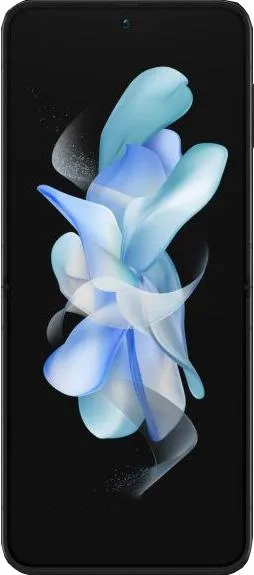
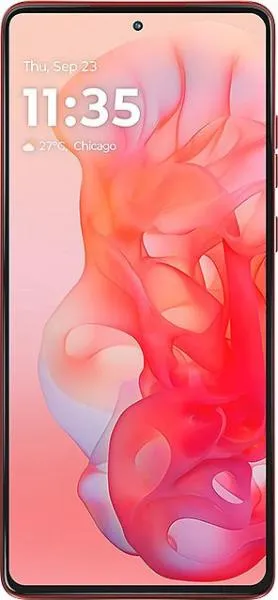
| Feature | Samsung Galaxy Z Flip5 | Motorola Moto G Stylus 5G (2024) | Practical Impact |
|---|---|---|---|
| Design | |||
| Form Factor | Foldable | Candybar | Flip5 offers portability and novelty; Stylus offers a traditional form factor with integrated stylus for note-taking and drawing. |
| Dimensions (mm) | 165.1 x 71.9 x 6.9 (folded) | 162.6 x 74.8 x 8.3 | Flip5 is significantly more compact when folded, Stylus is thinner when unfolded. |
| Weight (g) | 187 | 190 | Negligible weight difference in practical use. |
| Display | |||
| Display Type | Foldable Dynamic AMOLED 2X | P-OLED | Flip5's foldable display allows for unique use cases and greater portability; Stylus offers a larger, uninterrupted canvas. |
| Size (inches) | 6.7 | 6.7 | Same screen size when unfolded. |
| Resolution | 1080 x 2640 | 1080 x 2400 | Flip5 has a slightly higher pixel density due to the taller aspect ratio; difference is unlikely to be noticeable. |
| Refresh Rate (Hz) | 120 | 120 | Both offer smooth scrolling and animations. |
| Peak Brightness (nits) | 1750 | 1200 | Flip5 is significantly brighter outdoors. |
| Performance | |||
| Chipset | Snapdragon 8 Gen 2 | Snapdragon 6 Gen 1 | Flip5 offers significantly faster processing and graphics performance, enabling smoother multitasking and demanding gaming. |
| CPU | Octa-core (1x3.36 GHz Cortex-X3 & 2x2.8 GHz Cortex-A715 & 2x2.8 GHz Cortex-A710 & 3x2.0 GHz Cortex-A510) | Octa-core (4x2.2 GHz Cortex-A78 & 4x1.8 GHz Cortex-A55) | Flip5 has a more powerful and efficient CPU architecture. |
| GPU | Adreno 740 | Adreno 710 | Flip5 offers superior graphics performance. |
| RAM (GB) | 8 | 8 | Both offer ample RAM for multitasking. |
| Storage (GB) | 512 | 256 | Flip5 offers double the internal storage. |
| Battery | |||
| Capacity (mAh) | 3700 | 5000 | Stylus offers significantly longer battery life. |
| Other | |||
| OS | Android 13 | Android 14 | Stylus ships with a newer Android version out-of-the-box. |
| NFC | Yes | Yes | Both support contactless payments. |
| USB | USB Type-C 3.2 | USB Type-C 2.0 | Flip5 offers faster data transfer speeds. |
| Camera: | We are missing key camera specifications to make a meaningful comparison. It's impossible to analyze practical differences without knowing sensor size, aperture, and other key camera features. |
2. Key Differences Analysis
Samsung Galaxy Z Flip5 Advantages:
- Significantly more powerful: The Snapdragon 8 Gen 2 provides a substantial performance advantage for demanding tasks and gaming.
- Brighter Display: Much brighter for outdoor visibility.
- More Compact: Foldable design offers unmatched portability.
- Double the Storage: More space for apps, photos, and videos.
Motorola Moto G Stylus 5G (2024) Advantages:
- Longer Battery Life: The larger battery capacity will likely result in significantly longer usage time.
- Integrated Stylus: Offers precise input for note-taking, drawing, and navigation.
- Lower Price: While both are mid-range, the Moto G Stylus is likely more affordable.
3. User Profiles & Recommendations
Samsung Galaxy Z Flip5: Users who prioritize performance, portability, and a unique form factor. Ideal for those who value a compact device and are willing to compromise on battery life for power and innovation.
Motorola Moto G Stylus 5G (2024): Users who prioritize battery life, note-taking capabilities, and value. Students, artists, and those who prefer a traditional smartphone experience with a large screen will appreciate the Stylus.
4. Decision Framework
Key Questions:
- How important is portability? The Flip5's foldable design is a game-changer for pocket carry.
- What is your performance requirement? The Flip5 significantly outperforms the Stylus.
- How much do you value battery life? The Stylus will likely last much longer on a single charge.
My Choice: Samsung Galaxy Z Flip5
While the Moto G Stylus 5G (2024) offers compelling features like the integrated stylus and longer battery life, the Samsung Galaxy Z Flip5's superior performance, brighter display, compact foldable design, and larger storage make it the more appealing device for me. I prioritize performance and portability, and the Flip5 delivers on both fronts. I am willing to compromise slightly on battery life for a device that is significantly faster and more innovative. The foldable form factor significantly enhances portability, which is a major factor in my decision. The lack of detailed camera specifications makes a complete assessment challenging, but based on the available information, the Flip5 better suits my needs and preferences.
