1. Specifications Comparison
| Feature | Samsung Galaxy Z Flip5 | Motorola Edge 50 Neo | Practical Impact |
|---|---|---|---|
| Design | |||
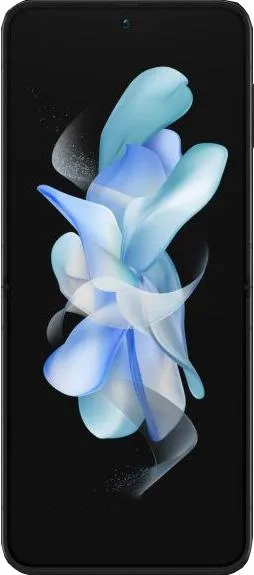
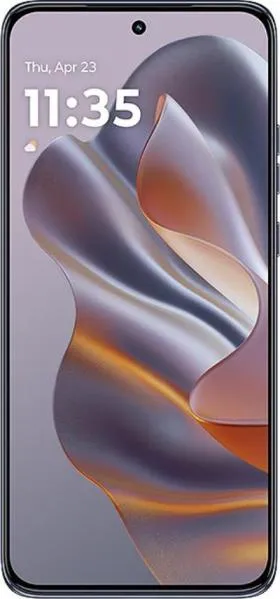
| Dimensions | 165.1 x 71.9 x 6.9 mm (folded) | 154.1 x 71.2 x 8.1 mm | Z Flip5 significantly more compact when folded, pocketable; Edge 50 Neo thinner when unfolded. |
| Weight | 187g | 171g | Edge 50 Neo slightly lighter. |
| Foldable | Yes | No | Z Flip5 offers unique portability and form factor. |
| Display | |||
| Display Type | Foldable Dynamic AMOLED 2X | LTPO P-OLED | Z Flip5's folding screen technology allows for a compact design; Edge 50 Neo's LTPO offers potentially better power efficiency. |
| Size | 6.7" | 6.4" | Z Flip5 slightly larger screen real estate. |
| Resolution | 1080 x 2640 | 1256 x 2760 | Edge 50 Neo higher pixel density (474 ppi vs 425 ppi), resulting in sharper images. |
| Refresh Rate | 120Hz | 120Hz | Both offer smooth scrolling and animations. |
| Peak Brightness | 1750 nits | 3000 nits | Edge 50 Neo significantly brighter, enhancing outdoor visibility. |
| Performance | |||
| Chipset | Snapdragon 8 Gen 2 | MediaTek Dimensity 7300 | Snapdragon 8 Gen 2 generally considered more powerful, offering better performance in demanding tasks and gaming. |
| CPU | Octa-core (1x3.36 GHz Cortex-X3 & 2x2.8 GHz Cortex-A715 & 2x2.8 GHz Cortex-A710 & 3x2.0 GHz Cortex-A510) | Octa-core (4x2.5 GHz Cortex-A78 & 4x2.0 GHz Cortex-A55) | Snapdragon 8 Gen 2's architecture likely provides a performance advantage. |
| GPU | Adreno 740 | Mali-G615 MC2 | Adreno 740 generally offers superior graphics performance for gaming. |
| RAM | 8GB | 12GB | Edge 50 Neo has more RAM, potentially enabling better multitasking and smoother performance with numerous apps open. |
| Storage | 512GB | 512GB | Both offer ample storage. |
| Battery | |||
| Capacity | 3700 mAh | 4310 mAh | Edge 50 Neo has a significantly larger battery, likely leading to longer battery life. |
| Other | |||
| OS | Android 13 | Android 14 | Edge 50 Neo ships with a newer Android version, offering potential feature and security advantages. |
| Max OS Version | 14 | 19 | Motorola commits to significantly longer software updates. |
| USB | USB Type-C 3.2 | USB Type-C 2.0 | Z Flip5 offers faster data transfer speeds. |
2. Key Differences Analysis
Samsung Galaxy Z Flip5 Advantages:
- Form Factor: The foldable design provides unmatched portability.
- Flagship Performance: The Snapdragon 8 Gen 2 offers top-tier performance.
- Faster Data Transfer: USB 3.2 enables quicker file transfers.
Motorola Edge 50 Neo Advantages:
- Larger Battery: Potentially significantly longer battery life.
- Brighter Display: Superior outdoor visibility.
- More RAM: Smoother multitasking and better performance with multiple apps.
- More Recent Software: Android 14 at launch, with much longer support commitment.
3. User Profiles & Recommendations
Samsung Galaxy Z Flip5: Users who prioritize portability and a unique form factor above all else, and are willing to compromise on battery life for it. Suitable for those who value having a powerful device that easily fits in a pocket.
Motorola Edge 50 Neo: Users who prioritize battery life, screen brightness, and value for money. Ideal for those who consume a lot of media, use their phone heavily throughout the day, and want a device with longer software support.
4. Decision Framework
Key Questions:
- How important is portability? If ultimate pocketability is paramount, the Z Flip5 is the clear winner.
- What is your typical daily usage? Heavy users who need long battery life will prefer the Edge 50 Neo.
- What is your budget and how much do you value software updates? The Edge 50 Neo will likely offer better value due to the larger battery, more RAM, more recent OS, and longer update commitment.
Scenario-Based Recommendations:
- Frequent Traveler: Z Flip5 for its compact size.
- Heavy Media Consumer: Edge 50 Neo for its larger battery and brighter display.
- Budget-Conscious Buyer: Edge 50 Neo for its overall value proposition.
My Choice: Motorola Edge 50 Neo
While the Z Flip5's foldable design is undeniably cool, the Edge 50 Neo offers a more practical package for my needs. The significantly larger battery, brighter display for outdoor use, extra RAM for smoother performance, newer Android version, and significantly longer software update commitment are compelling advantages. The price range being the same, the Edge 50 Neo offers better value for my usage pattern. I prioritize battery life, a bright and clear display, and keeping my device updated for a longer period. While I appreciate the Z Flip5's innovative design, the trade-offs in battery life and other key features aren't worth it for me personally.
