1. Specifications Comparison
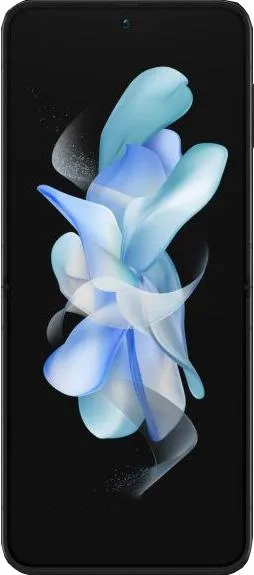
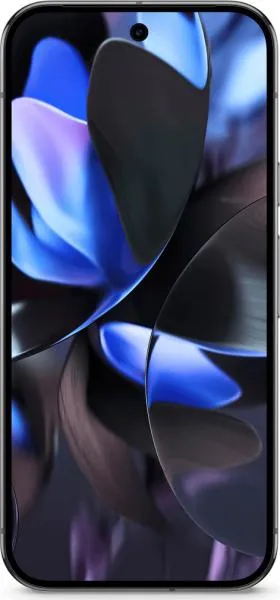
| Feature | Samsung Galaxy Z Flip5 | Google Pixel 9 Pro XL | Practical Impact |
|---|---|---|---|
| Design | |||
| Dimensions | 165.1 x 71.9 x 6.9 mm (folded) | 162.8 x 76.6 x 8.5 mm | Flip5 significantly more compact when folded, easier pocketability; Pixel 9 Pro XL thinner when unfolded. |
| Weight | 187g | 221g | Flip5 noticeably lighter, reducing hand fatigue. |
| Foldable | Yes | No | Flip5 offers unique form factor, compact portability; Pixel 9 Pro XL traditional slab design. |
| Display | |||
| Size | 6.7" | 6.8" | Negligible difference in screen real estate. |
| Type | Foldable Dynamic AMOLED 2X | LTPO OLED | Flip5's folding screen introduces crease, potential durability concerns; Pixel 9 Pro XL offers potentially superior power efficiency with LTPO. |
| Resolution | 1080 x 2640 | 1344 x 2992 | Pixel 9 Pro XL boasts sharper display due to higher resolution and pixel density. |
| Refresh Rate | 120Hz | 120Hz | Both offer smooth scrolling and animations. |
| Peak Brightness | 1750 nits | 3000 nits | Pixel 9 Pro XL significantly brighter, ensuring better outdoor visibility. |
| Performance | |||
| Chipset | Snapdragon 8 Gen 2 | Google Tensor G4 | Both are flagship chipsets, but real-world performance differences depend on optimization. Tensor G4 likely excels in AI tasks. |
| CPU | Octa-core (1x3.36 GHz Cortex-X3 & ...) | Octa-core (1x3.1 GHz Cortex-X4 & ...) | Both offer top-tier performance; slight architectural differences likely result in minimal real-world differences for general usage. |
| GPU | Adreno 740 | Mali-G715 MC7 | Adreno 740 generally considered superior for gaming; Mali-G715 might offer better power efficiency. |
| RAM | 8GB | 16GB | Pixel 9 Pro XL's larger RAM enables superior multitasking and app retention. |
| Storage | 512GB | 256GB/512GB/1000GB | Pixel offers more storage options, catering to users with high storage demands. |
| Battery | |||
| Capacity | 3700 mAh | 5060 mAh | Pixel 9 Pro XL offers significantly longer battery life. |
| Other | |||
| OS | Android 13 (upgradable to 14) | Android 14 | Pixel 9 Pro XL will receive longer software updates directly from Google. |
| Price Range | Medium | High | Flip5 offers a more accessible price point. |
2. Key Differences Analysis
Samsung Galaxy Z Flip5 Advantages:
- Portability: Significantly more compact when folded.
- Unique Form Factor: The foldable design offers a distinct appeal and functionality.
- Price: More affordable than the Pixel 9 Pro XL.
Google Pixel 9 Pro XL Advantages:
- Performance: More RAM, potentially better AI performance due to Tensor G4.
- Display: Brighter, sharper, and potentially more power-efficient with LTPO.
- Battery Life: Significantly larger battery capacity.
- Software Updates: Guaranteed longer software support and faster updates.
- Camera: While specific camera specs are missing, Pixel phones are generally known for excellent camera performance. We can infer that the Pixel 9 Pro XL likely continues this trend based on its higher price point and flagship positioning.
3. User Profiles & Recommendations
Samsung Galaxy Z Flip5: Users who prioritize portability and unique design above all else. Ideal for those constantly on the move or who value a compact device.
Google Pixel 9 Pro XL: Users who prioritize performance, battery life, display quality, and long-term software updates. Power users, photographers, and those who value a premium smartphone experience.
4. Decision Framework
Key Questions for Buyers:
- How important is portability? If pocketability is paramount, the Flip5 is the clear winner.
- What is your budget? The Flip5 offers a lower price point for a flagship experience.
- What are your performance and battery life needs? The Pixel 9 Pro XL excels in these areas.
Scenario-Based Recommendations:
- Frequent traveler: Flip5 for its compact size.
- Power user: Pixel 9 Pro XL for its performance and battery life.
- Budget-conscious user: Flip5 offers a good balance of features and price.
My Choice: Google Pixel 9 Pro XL
While the Flip5's foldable design is intriguing, the Pixel 9 Pro XL better suits my needs. I prioritize performance, battery life, a great display, and the assurance of long-term software updates. The significantly brighter screen, larger battery, and extra RAM of the Pixel 9 Pro XL offer tangible benefits in my daily usage. Although the Flip5 is more affordable, the Pixel 9 Pro XL's premium features justify the higher price for my use case. I also appreciate the expected camera performance based on the Pixel's legacy. The foldable form factor, while innovative, isn't a compelling enough factor for me to sacrifice these other key aspects.
