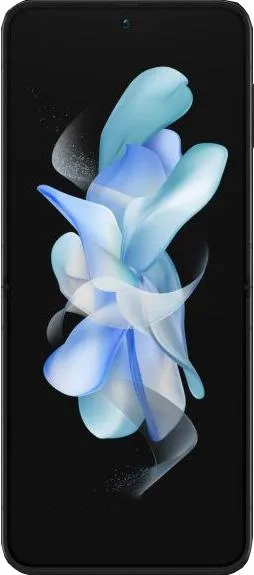

1. Specifications Comparison
| Feature | Samsung Galaxy Z Flip5 | Google Pixel 9 Pro | Practical Impact |
|---|---|---|---|
| Design | |||
| Dimensions | 165.1 x 71.9 x 6.9 mm (folded) | 152.8 x 72 x 8.5 mm | Flip5 significantly smaller when folded, enhancing portability; Pixel 9 Pro thinner when unfolded. |
| Weight | 187g | 199g | Flip5 noticeably lighter. |
| Foldable | Yes | No | Flip5 offers unique form factor and pocketability; Pixel 9 Pro offers a traditional slab design. |
| Display | |||
| Size | 6.7" | 6.3" | Flip5 offers a larger screen for media consumption. |
| Type | Foldable Dynamic AMOLED 2X | LTPO OLED | Flip5's folding screen provides novelty and durability concerns; Pixel 9 Pro's LTPO offers potential power efficiency benefits. |
| Resolution | 1080 x 2640 | 1280x2856 | Pixel 9 Pro boasts sharper image quality due to higher pixel density (495 vs 425 ppi). |
| Peak Brightness | 1750 nits | 3000 nits | Pixel 9 Pro significantly brighter, improving outdoor visibility. |
| Refresh Rate | 120Hz | 120Hz | Both offer smooth scrolling and animations. |
| Performance | |||
| Chipset | Snapdragon 8 Gen 2 | Google Tensor G4 | Both are flagship chipsets, but benchmarks would be needed for accurate performance comparison. Tensor G4 likely prioritizes AI and machine learning tasks. |
| CPU | Octa-core (1x3.36 GHz Cortex-X3 & 2x2.8 GHz Cortex-A715 & 2x2.8 GHz Cortex-A710 & 3x2.0 GHz Cortex-A510) | Octa-core (1x3.1 GHz Cortex-X4 & 3x2.6 GHz Cortex-A720 & 4x1.92 GHz Cortex-A520) | Raw CPU specifications suggest Snapdragon 8 Gen 2 might offer better performance, but real-world usage can vary. |
| GPU | Adreno 740 | Mali-G715 MC7 | Adreno 740 generally considered more powerful for gaming, but real-world gaming performance needs testing. |
| RAM | 8GB | 16GB | Pixel 9 Pro has significantly more RAM, enabling better multitasking and app performance. |
| Storage | 512GB | 256GB/512GB/1TB | Pixel 9 Pro offers more storage options, catering to users with high storage demands. |
| Battery | |||
| Capacity | 3700 mAh | 4700 mAh | Pixel 9 Pro has a much larger battery, likely resulting in significantly longer battery life. |
| Camera | |||
| Video Capabilities | Up to 4K@60fps, 720p@960fps | Up to 8K@30fps, 1080p@240fps | Pixel 9 Pro offers higher resolution video recording (8K) and more advanced stabilization (OIS, EIS). Specific camera sensor details are needed for a complete comparison. |
2. Key Differences Analysis
Samsung Galaxy Z Flip5 Advantages:
- Portability: The folding design makes it incredibly compact when folded.
- Unique Form Factor: The Flip5 offers a distinctive and stylish design.
Google Pixel 9 Pro Advantages:
- Superior Display: Brighter, sharper, and potentially more power-efficient.
- Larger Battery: Significantly larger battery capacity for extended usage.
- More RAM: Improved multitasking and smoother performance.
- More Storage Options: Caters to users with large storage needs.
- Advanced Video Recording: Higher resolution and stabilization features.
Trade-offs:
- Flip5: Smaller battery, lower resolution display, less RAM, potentially higher price for its novelty.
- Pixel 9 Pro: Larger and heavier, less portable, potentially higher price.
3. User Profiles & Recommendations
Flip5 Ideal User: Style-conscious users who prioritize portability and want a unique device. Suitable for light to moderate usage.
Pixel 9 Pro Ideal User: Power users who demand top-tier performance, a long-lasting battery, excellent camera capabilities, and ample storage.
4. Decision Framework
Key Questions:
- How important is portability? If pocketability is paramount, the Flip5 excels.
- What is your budget? The Flip5 is listed as "medium price," while the Pixel 9 Pro is "high price."
- What are your primary use cases? For heavy usage, demanding tasks, and photography/videography, the Pixel 9 Pro is better suited. For casual use and prioritizing style and portability, the Flip5 is a stronger contender.
My Choice: Google Pixel 9 Pro
While the Flip5's foldable design is undeniably attractive, the Pixel 9 Pro's superior specifications across the board make it the better choice for me. The larger battery, brighter and sharper display, significantly more RAM, and advanced camera capabilities are all features I value greatly. I prioritize performance, battery life, and a great screen over ultimate portability. While the Flip5 offers a unique form factor, the Pixel 9 Pro better aligns with my needs as a power user who relies heavily on their smartphone for productivity, entertainment, and capturing memories. The larger storage options also provide future-proofing and flexibility. While price is a factor, the Pixel 9 Pro's advantages justify the higher cost in my opinion.
