1. Specifications Comparison
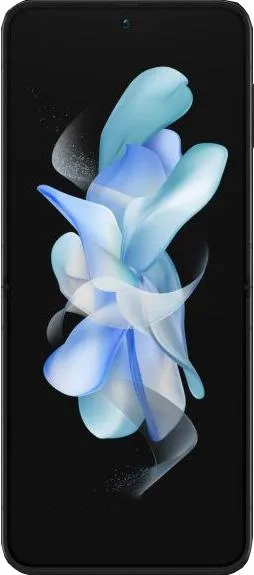
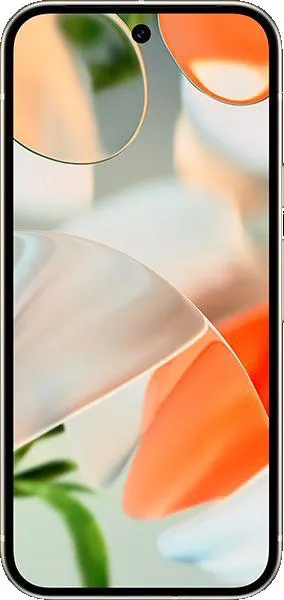
| Feature | Samsung Galaxy Z Flip5 | Google Pixel 9 | Practical Impact |
|---|---|---|---|
| Design | |||
| Dimensions | 165.1 x 71.9 x 6.9 mm (folded) | 152.8 x 72 x 8.5 mm | Flip5 significantly more compact when folded, easier pocketability; Pixel 9 thinner when unfolded. |
| Weight | 187g | 198g | Negligible weight difference in practical usage. |
| Foldable | Yes | No | Flip5 offers unique form factor, compact portability; Pixel 9 traditional slab design. |
| Display | |||
| Display Type | Foldable Dynamic AMOLED 2X | OLED | Flip5's folding display allows for unique use cases and portability; Pixel 9 offers a standard, durable screen. |
| Size | 6.7" | 6.3" | Flip5 offers slightly larger screen real estate for media consumption. |
| Resolution | 1080 x 2640 | 1080 x 2424 | Similar pixel density, both sharp; Flip5 slightly taller aspect ratio. |
| Refresh Rate | 120Hz | 120Hz | Both offer smooth scrolling and animations. |
| Peak Brightness | 1750 nits | 2700 nits | Pixel 9 significantly brighter, better outdoor visibility. |
| Performance | |||
| Chipset | Snapdragon 8 Gen 2 | Google Tensor G4 | Both are flagship chipsets, expecting high performance. Tensor G4 likely optimized for AI and machine learning tasks. |
| CPU | Octa-core (1x3.36 GHz Cortex-X3 & 2x2.8 GHz Cortex-A715 & 2x2.8 GHz Cortex-A710 & 3x2.0 GHz Cortex-A510) | Octa-core (1x3.1 GHz Cortex-X4 & 3x2.6 GHz Cortex-A720 & 4x1.92 GHz Cortex-A520) | Both CPUs should provide excellent performance; benchmarks needed for detailed comparison. |
| GPU | Adreno 740 | Mali-G715 MC7 | Adreno 740 generally considered more powerful for gaming; Mali-G715 may excel in specific tasks due to Tensor G4 integration. |
| RAM | 8GB | 12GB | Pixel 9 offers more RAM for multitasking and demanding applications. |
| Storage | 512GB | 256GB | Flip5 offers double the storage; important for users storing large files (photos, videos). |
| Battery | |||
| Capacity | 3700 mAh | 4700 mAh | Pixel 9 boasts significantly larger battery capacity, potentially longer battery life. Foldable phones often have compromises in battery due to space constraints. |
| Other | |||
| OS Updates | Up to Android 14 | Up to Android 21 | Pixel 9 guaranteed significantly longer software support and updates. |
2. Key Differences Analysis
Samsung Galaxy Z Flip5 Advantages:
- Portability: The foldable design offers unmatched portability.
- Unique Form Factor: The Flip5's design allows for novel use cases like flex mode for photography and video calls.
- Larger Storage: Double the storage compared to the Pixel 9.
Google Pixel 9 Advantages:
- Brighter Display: Significantly brighter display for better outdoor visibility.
- Larger Battery: Potentially longer battery life.
- Longer Software Support: Guaranteed updates for a longer period.
- More RAM: Better for multitasking and future-proofing.
3. User Profiles & Recommendations
Samsung Galaxy Z Flip5: Ideal for users who prioritize portability and a unique, compact form factor. Excellent for those constantly on the go and value pocketability above all else. Suitable for social media enthusiasts who utilize flex mode for content creation.
Google Pixel 9: Best for users prioritizing battery life, a bright display, and long-term software updates. Excellent for power users who demand performance and longevity.
4. Decision Framework
Key Questions for Buyers:
- How important is portability? If ultimate portability is paramount, the Flip5 is the clear winner.
- How much do you value software updates and longevity? The Pixel 9 offers much longer software support.
- What is your budget and storage needs? Consider the price difference and the storage options available for each phone.
My Choice: Google Pixel 9
While the Z Flip5's form factor is intriguing, the Pixel 9 better suits my needs. I prioritize a bright display for outdoor use, long battery life for extended periods without charging, and the assurance of long-term software updates. The extra RAM in the Pixel 9 also provides better performance for demanding tasks and future-proofs the device. While I acknowledge the Flip5's unique portability advantage, the Pixel 9's overall package of performance, longevity, and user experience makes it the more compelling choice for me. The larger battery capacity in the Pixel 9 is a crucial factor, outweighing the Flip5's portability benefit in my daily usage. Finally, the significantly longer software support commitment from Google ensures a more secure and feature-rich experience over the long term.
