1. Specifications Comparison
| Feature | Samsung Galaxy Z Flip5 | Google Pixel 8a | Practical Impact |
|---|---|---|---|
| Design | |||
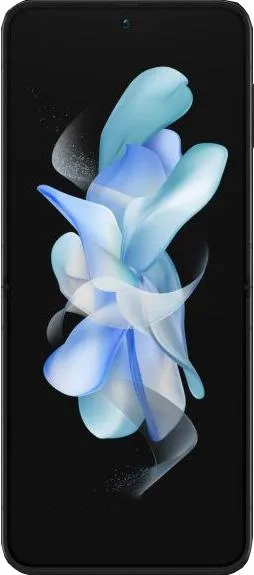
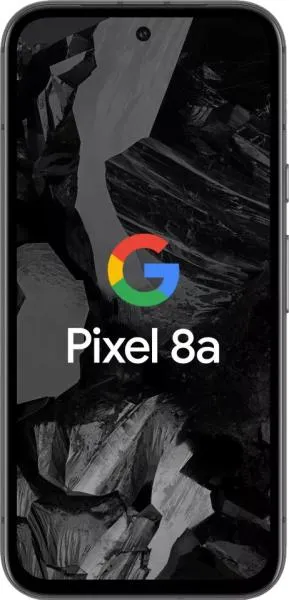
| Form Factor | Foldable | Slab | Flip5 offers portability and novelty; Pixel 8a offers a traditional form factor. |
| Dimensions (mm) | 165.1 x 71.9 x 6.9 (folded) | 152.1 x 72.7 x 8.9 | Flip5 is significantly more compact when folded, but thicker unfolded. Pixel 8a is thinner overall. |
| Weight (g) | 187 | 188 | Negligible weight difference. |
| Durability | No information on specific durability features (e.g., water resistance rating) for either phone limits comparison. | ||
| Display | |||
| Size (inches) | 6.7 | 6.1 | Flip5 offers a larger screen for media consumption. |
| Type | Foldable Dynamic AMOLED 2X | OLED | Flip5's foldable display allows for unique use cases like Flex Mode. Pixel 8a offers a standard, flat OLED. |
| Resolution | 1080 x 2640 | 1080 x 2400 | Similar pixel density (Flip5: 425 ppi, Pixel 8a: 430 ppi) resulting in sharp visuals on both. |
| Refresh Rate (Hz) | 120 | 120 | Both offer smooth scrolling and animations. |
| Peak Brightness (nits) | 1750 | 2000 | Pixel 8a might offer slightly better visibility in direct sunlight. |
| Performance | |||
| Chipset | Snapdragon 8 Gen 2 | Google Tensor G3 | Both are high-end chipsets, but benchmarks are needed to compare real-world performance differences. |
| CPU | Octa-core (1x3.36 GHz Cortex-X3 & 2x2.8 GHz Cortex-A715 & 2x2.8 GHz Cortex-A710 & 3x2.0 GHz Cortex-A510) | Nona-core (1x3.0 GHz Cortex-X3 & 4x2.45 GHz Cortex-A715 & 4x2.15 GHz Cortex-A510) | Core configuration differences require benchmarking for practical comparison. |
| GPU | Adreno 740 | Immortalis-G715s MC10 | GPU performance comparison requires benchmarks and gaming tests. |
| RAM (GB) | 8 | 8 | Both offer ample RAM for multitasking. |
| Storage (GB) | 512 | 256 | Flip5 offers double the storage of the Pixel 8a. |
| Battery | |||
| Capacity (mAh) | 3700 | 4492 | Pixel 8a has a significantly larger battery, likely resulting in longer battery life. |
| Software | |||
| OS | Android 13 | Android 14 | Pixel 8a launches with the newer Android version and will receive longer OS updates. |
| Other | |||
| Price Range | Medium | Medium | Direct price comparison needed for accurate value assessment. |
2. Key Differences Analysis
Samsung Galaxy Z Flip5 Advantages:
- Foldable Design: Unique form factor for portability and compact storage.
- Larger Storage: Double the storage capacity of the Pixel 8a.
- Flex Mode: Enables unique camera angles and hands-free video calls.
Google Pixel 8a Advantages:
- Larger Battery: Potentially significantly longer battery life.
- Newer OS & Longer Updates: Starts with Android 14 and likely to receive more OS and security updates than Flip5.
- Potentially Brighter Display: Higher peak brightness for better outdoor visibility.
Trade-offs:
- Flip5: Smaller battery, potentially shorter lifespan due to the foldable screen.
- Pixel 8a: Less storage, lacks the novelty and portability of a foldable design.
3. User Profiles & Recommendations
Samsung Galaxy Z Flip5: Users who prioritize portability, novelty, and a compact design. Suitable for those who value a unique form factor over battery life and extensive software updates.
Google Pixel 8a: Users who prioritize battery life, software updates, and a traditional smartphone experience. Suitable for those who value practicality and longevity.
4. Decision Framework
Key Questions for Buyers:
- How important is portability and a unique design?
- How much do you prioritize battery life and software updates?
- What is your budget and storage requirement?
My Choice: Google Pixel 8a
While the Z Flip5's foldable design is undeniably appealing, the Pixel 8a's larger battery, newer Android version with longer update support, and potentially brighter display make it a more practical choice for me. I prioritize longevity and consistent performance, and the Pixel 8a better aligns with these needs. The significantly larger battery capacity is a crucial factor, as I heavily rely on my phone throughout the day. Although I appreciate the Flip5's unique form factor, the trade-offs in battery life and software updates are not compelling enough for my personal usage. The larger storage on the Flip5 is tempting, but 256GB on the Pixel 8a is sufficient for my needs. Ultimately, the Pixel 8a provides a more well-rounded and future-proof experience for my usage pattern.
