1. Specifications Comparison
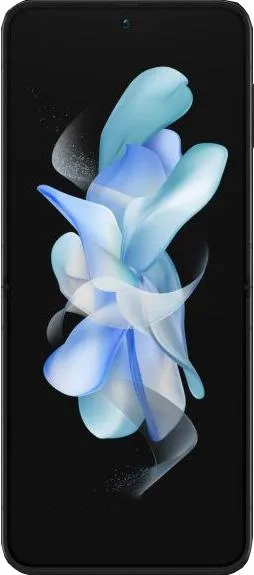
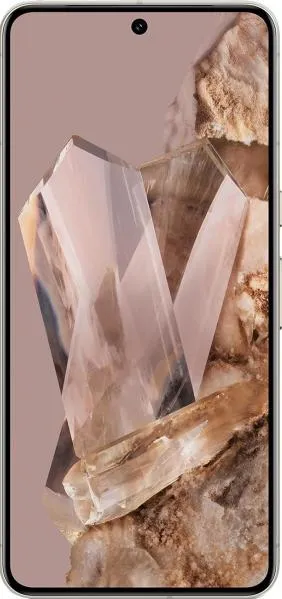
| Feature | Samsung Galaxy Z Flip5 | Google Pixel 8 Pro | Practical Impact |
|---|---|---|---|
| Design | |||
| Dimensions | 165.1 x 71.9 x 6.9 mm (folded) | 162.6 x 76.5 x 8.8 mm | Flip5 significantly more compact when folded, easier pocketability; Pixel 8 Pro thinner when unfolded. |
| Weight | 187g | 213g | Flip5 noticeably lighter, reducing hand fatigue. |
| Foldable | Yes | No | Flip5 offers unique form factor, compact portability; Pixel 8 Pro traditional slab design. |
| Display | |||
| Size | 6.7" | 6.7" | Effectively same screen real estate when unfolded. |
| Type | Foldable Dynamic AMOLED 2X | LTPO OLED | Flip5's folding display allows for unique use cases; Pixel 8 Pro offers potentially longer lifespan with less crease risk. |
| Resolution | 1080 x 2640 | 1344 x 2992 | Pixel 8 Pro boasts sharper image quality due to higher resolution. |
| Peak Brightness | 1750 nits | 2400 nits | Pixel 8 Pro significantly brighter, improving outdoor visibility. |
| Refresh Rate | 120Hz | 120Hz | Both offer smooth scrolling and animations. |
| Performance | |||
| Chipset | Snapdragon 8 Gen 2 | Google Tensor G3 | Both are high-end chipsets; Tensor G3 optimized for AI and machine learning tasks. Real-world performance differences likely minimal for average users. |
| CPU | Octa-core (1x3.36 GHz Cortex-X3 & 2x2.8 GHz Cortex-A715 & 2x2.8 GHz Cortex-A710 & 3x2.0 GHz Cortex-A510) | Nona-core (1x3.0 GHz Cortex-X3 & 4x2.45 GHz Cortex-A715 & 4x2.15 GHz Cortex-A510) | Snapdragon 8 Gen 2 generally considered more powerful in benchmarks, though real-world difference may be negligible for most users. |
| GPU | Adreno 740 | Immortalis-G715s MC10 | Adreno 740 generally performs better in graphics-intensive tasks, but Tensor G3 may offer advantages in specific AI-powered applications. |
| RAM | 8GB | 12GB | Pixel 8 Pro offers more RAM, potentially improving multitasking and app switching performance. |
| Battery | |||
| Capacity | 3700 mAh | 5050 mAh | Pixel 8 Pro boasts significantly larger battery capacity, likely translating to longer battery life. |
| Camera | Missing detailed camera specs (sensor size, aperture) limits in-depth comparison. | ||
| Video Capabilities | Up to 4K@60fps, 720p@960fps | Up to 4K@60fps, 1080p@240fps | Both offer extensive video recording options including slow motion; Pixel 8 Pro includes OIS and EIS for potentially smoother footage. |
2. Key Differences Analysis
Samsung Galaxy Z Flip5 Advantages:
- Portability: Significantly more compact when folded.
- Unique Form Factor: Offers flexibility for different usage scenarios (e.g., hands-free video calls).
Google Pixel 8 Pro Advantages:
- Superior Display: Higher resolution and peak brightness for a sharper, more vibrant image.
- Longer Battery Life: Larger battery capacity.
- More RAM: Potentially smoother multitasking.
- Software Updates: Longer OS update commitment from Google.
3. User Profiles & Recommendations
Samsung Galaxy Z Flip5: Ideal for users prioritizing portability and novelty. Best for those who value a compact phone that easily fits in pockets or small bags and appreciate the unique foldable design for specific use cases.
Google Pixel 8 Pro: Suitable for users who prioritize performance, battery life, and a premium display. Best for power users, photographers/videographers (assuming superior camera hardware based on Pixel history), and those who value long-term software support.
4. Decision Framework
Key Questions:
- How important is portability? If paramount, the Flip5 is the clear winner.
- What is your budget and storage needs? Pixel 8 Pro offers more storage options at higher price points.
- Do you value a unique form factor or a traditional smartphone experience? The Flip5's foldable design is a key differentiator.
My Choice: Google Pixel 8 Pro
While the Flip5's portability is appealing, the Pixel 8 Pro's superior display, significantly longer battery life, larger RAM, and longer software support are more important factors for my personal needs. I prioritize a smooth, powerful user experience with a great screen and all-day battery, and the Pixel 8 Pro seems to deliver better in these areas. I am also assuming, based on historical data, that the Pixel 8 Pro will have a superior camera system, but the lack of specific camera specifications prevents a definitive conclusion in this area. The longer commitment to software updates from Google also provides greater peace of mind. While I appreciate the Flip5's innovative design, the practical benefits of the Pixel 8 Pro outweigh the novelty factor for me.
