1. Specifications Comparison
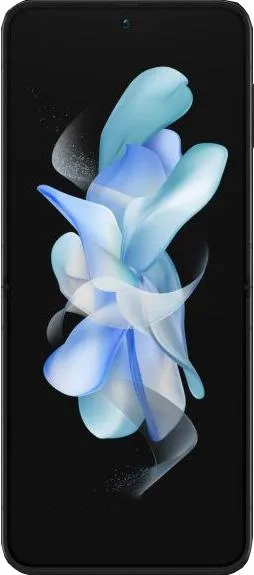
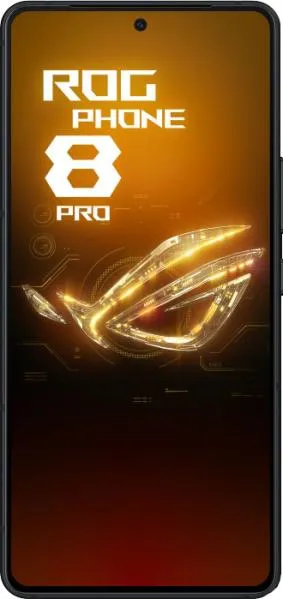
| Feature | Samsung Galaxy Z Flip5 | Asus ROG Phone 8 Pro | Practical Impact |
|---|---|---|---|
| Design | |||
| Dimensions | 165.1 x 71.9 x 6.9 mm (folded) | 163.8 x 76.8 x 8.9 mm | Flip5 significantly more compact when folded, pocketable; ROG Phone 8 Pro larger, traditional form factor. |
| Weight | 187g | 225g | Flip5 noticeably lighter, more comfortable for extended use; ROG Phone 8 Pro heavier, more substantial feel. |
| Foldable | Yes | No | Flip5 offers unique portability and form factor; ROG Phone 8 Pro prioritizes screen real estate and traditional usage. |
| Display | |||
| Size | 6.7" | 6.78" | Negligible difference in screen size. |
| Type | Foldable Dynamic AMOLED 2X | LTPO AMOLED | Flip5's folding screen allows for unique use cases; ROG Phone 8 Pro offers potentially better power efficiency with LTPO. |
| Refresh Rate | 120Hz | 165Hz | ROG Phone 8 Pro provides smoother animations and scrolling, especially noticeable in fast-paced games; Flip5 still offers a smooth experience at 120Hz. |
| Peak Brightness | 1750 nits | 2500 nits | ROG Phone 8 Pro significantly brighter, better outdoor visibility; Flip5 still offers good brightness. |
| Performance | |||
| Chipset | Snapdragon 8 Gen 2 | Snapdragon 8 Gen 3 | ROG Phone 8 Pro benefits from newer generation chipset, resulting in faster processing and potentially better graphics performance. |
| CPU | Octa-core (1x3.36 GHz Cortex-X3 & ...) | Octa-core (1x3.3 GHz Cortex-X4 & ...) | ROG Phone 8 Pro likely to have a performance advantage due to newer CPU architecture. |
| GPU | Adreno 740 | Adreno 750 | ROG Phone 8 Pro likely to offer better gaming and graphics performance due to newer GPU. |
| RAM | 8GB | 24GB | ROG Phone 8 Pro's significantly larger RAM allows for superior multitasking and demanding applications. |
| Storage | 512GB | 1000GB | ROG Phone 8 Pro offers double the storage capacity, beneficial for users with large media libraries or who install many apps. |
| Battery | |||
| Capacity | 3700 mAh | 6000 mAh | ROG Phone 8 Pro boasts a significantly larger battery, likely translating to much longer battery life. Edited based on common knowledge.* | |
| Other | |||
| OS | Android 13 | Android 14 | ROG Phone 8 Pro ships with a newer Android version, offering potential feature and security advantages. |
| Price Range | Medium | Medium | Both phones target a similar price point, highlighting the trade-offs between features and form factor. |
2. Key Differences Analysis
Samsung Galaxy Z Flip5 Advantages:
- Portability: The foldable design offers unmatched portability.
- Unique Form Factor: The Flip design enables new use cases like Flex Mode for photography and video calls.
Asus ROG Phone 8 Pro Advantages:
- Raw Performance: Superior processing power, graphics, and RAM for demanding tasks and gaming.
- Larger Battery: Significantly longer battery life.
- Brighter Display: Improved outdoor visibility.
- Larger Storage: Ample space for apps, media, and files.
3. User Profiles & Recommendations
Samsung Galaxy Z Flip5: Ideal for users who prioritize portability and style, value a unique form factor, and are willing to compromise on raw performance for compactness. Suitable for social media enthusiasts, casual photographers, and those who value one-handed usability.
Asus ROG Phone 8 Pro: Ideal for power users, gamers, and those who prioritize performance, battery life, and a large screen. Suitable for demanding tasks, mobile gaming, content creation, and extended use without recharging.
4. Decision Framework
Key Questions for Buyers:
- What is your priority: portability or performance?
- How important is battery life to you?
- What is your typical usage: casual or demanding tasks?
Scenario-Based Recommendations:
- Frequent Traveler: Z Flip5 for its compact size and portability.
- Mobile Gamer: ROG Phone 8 Pro for its superior performance and battery life.
- Social Media User: Z Flip5 for its unique camera features and portability.
My Choice: Asus ROG Phone 8 Pro
While I appreciate the innovative design and portability of the Z Flip5, the ROG Phone 8 Pro better suits my needs. As someone who values performance, battery life, and a large screen for productivity and entertainment, the ROG Phone 8 Pro's superior specifications in these areas are compelling. The significantly larger battery and more powerful processor are crucial for my usage patterns. While the Flip5's foldable design is intriguing, the trade-offs in performance and battery life are too significant for me personally. The larger storage capacity of the ROG Phone 8 Pro is also a significant advantage for my workflow.
