1. Specifications Comparison
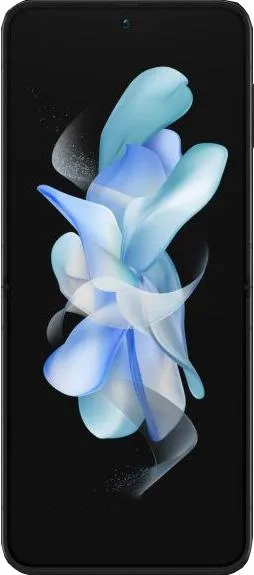
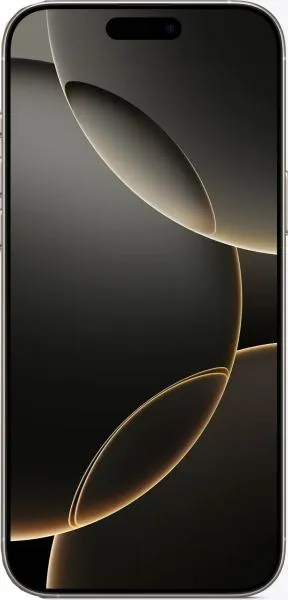
| Feature | Samsung Galaxy Z Flip5 | Apple iPhone 16 Pro Max | Practical Impact |
|---|---|---|---|
| Design | |||
| Dimensions | 165.1 x 71.9 x 6.9 mm (folded) | 163 x 77.6 x 8.3 mm | Flip5 significantly more compact when folded, easier pocketability; 16 Pro Max thinner when unfolded. |
| Weight | 187g | 227g | Flip5 noticeably lighter, reducing hand fatigue. |
| Foldable | Yes | No | Flip5 offers unique portability and a smaller external screen for quick interactions; 16 Pro Max offers a traditional slab phone design. |
| Build Materials | Not specified | Not specified | Build quality and durability cannot be compared without further information. |
| Display | |||
| Size | 6.7" | 6.9" | 16 Pro Max offers a slightly larger viewing area. |
| Type | Foldable Dynamic AMOLED 2X | LTPO Super Retina XDR OLED | Both offer high-quality OLED displays with vibrant colors and deep blacks; Flip5's foldable screen introduces a crease. |
| Resolution | 1080 x 2640 | 1320 x 2868 | 16 Pro Max has a sharper display due to higher resolution. |
| Refresh Rate | 120Hz | 120Hz | Both offer smooth scrolling and animations. |
| Peak Brightness | 1750 nits | 2000 nits (HBM), 1000 nits (typical) | Flip5 has a higher typical brightness; 16 Pro Max boasts higher peak brightness in HDR content, improving outdoor visibility. |
| Performance | |||
| Chipset | Snapdragon 8 Gen 2 (4nm) | Apple A18 Pro (3nm) | A18 Pro expected to offer superior performance due to newer manufacturing process and Apple's chip design expertise. Real-world performance depends on optimization. |
| CPU | Octa-core (1x3.36 GHz Cortex-X3 & 2x2.8 GHz Cortex-A715 & 2x2.8 GHz Cortex-A710 & 3x2.0 GHz Cortex-A510) | Hexa-core (2x4.05 GHz + 4x2.42 GHz) | Specific core configurations require benchmarks for accurate comparison. |
| GPU | Adreno 740 | Apple GPU (6-core) | Gaming and graphics-intensive tasks likely to perform better on 16 Pro Max due to Apple's GPU prowess. |
| RAM | 8GB | 8GB | Both offer sufficient RAM for multitasking. |
| Storage | 512GB | 512GB, 1TB | 16 Pro Max offers a higher storage option (1TB). |
| Battery | |||
| Capacity | 3700 mAh | 4685 mAh | 16 Pro Max boasts a significantly larger battery, likely translating to longer battery life. |
| Camera | Not specified | Not specified | Camera quality cannot be compared without detailed sensor and lens information. |
2. Key Differences Analysis
Samsung Galaxy Z Flip5 Advantages:
- Portability: Significantly smaller when folded.
- Unique Form Factor: Offers a different user experience with the foldable design and external display.
Apple iPhone 16 Pro Max Advantages:
- Performance: Likely more powerful due to the A18 Pro chip.
- Larger Display: Offers more screen real estate for media consumption and productivity.
- Longer Battery Life: Significantly larger battery capacity.
- Sharper Display: Higher resolution screen.
- Higher Peak Brightness: Better visibility in direct sunlight for HDR content.
Trade-offs:
- Flip5: Smaller battery, potential crease on the foldable display, lower resolution.
- 16 Pro Max: Larger and heavier, less pocketable, significantly more expensive.
3. User Profiles & Recommendations
Samsung Galaxy Z Flip5: Ideal for users prioritizing portability and a unique form factor. Suitable for those who value compactness and are willing to compromise on battery life and raw performance.
Apple iPhone 16 Pro Max: Ideal for users who prioritize performance, battery life, and a large, high-quality display. Suitable for power users, gamers, and content creators.
4. Decision Framework
Key Questions for Buyers:
- How important is portability?
- What is your budget?
- What are your primary use cases (e.g., social media, gaming, productivity)?
Scenario-Based Recommendations:
- User on a budget who prioritizes portability: Galaxy Z Flip5.
- Power user who needs the best performance and battery life: iPhone 16 Pro Max.
- User who values a unique and compact device: Galaxy Z Flip5.
My Choice: Apple iPhone 16 Pro Max
While the Galaxy Z Flip5's foldable design is intriguing, the iPhone 16 Pro Max offers a superior overall package for my needs. The significantly improved performance, larger battery, brighter and sharper display, and potential camera improvements (assuming Apple maintains its trend) outweigh the Flip5's portability advantage for me. I prioritize a smooth and powerful user experience, long battery life, and a large screen for media consumption and productivity. While the Flip5's compact form factor is appealing, the trade-offs in performance, battery, and screen quality are too significant for my personal preferences. The higher price of the 16 Pro Max is justified by these substantial improvements.
