1. Specifications Comparison
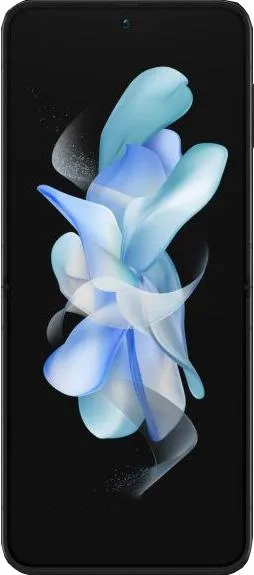
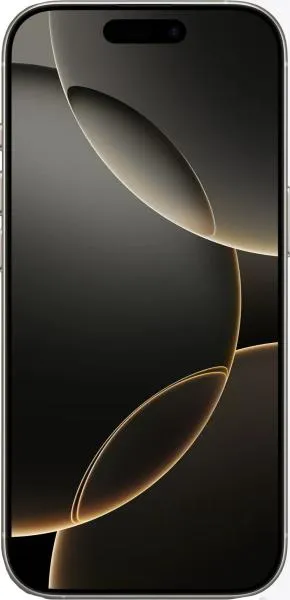
| Feature | Samsung Galaxy Z Flip5 | Apple iPhone 16 Pro | Practical Impact |
|---|---|---|---|
| Design | |||
| Form Factor | Foldable | Traditional Slab | Flip5 offers portability and novelty; iPhone 16 Pro offers a familiar, robust design. |
| Dimensions (mm) | 165.1 x 71.9 x 6.9 (unfolded) | 149.6 x 71.5 x 8.3 | Flip5 is significantly smaller when folded, enhancing portability; iPhone 16 Pro is thinner when unfolded. |
| Weight (g) | 187 | 199 | Flip5 is noticeably lighter. |
| Display | |||
| Size (inches) | 6.7 | 6.3 | Flip5 offers a larger screen for media consumption; iPhone 16 Pro's smaller size might be preferred for one-handed use. |
| Type | Foldable Dynamic AMOLED 2X | LTPO Super Retina XDR OLED | Flip5's folding screen is unique and compact; iPhone 16 Pro boasts superior display technology (LTPO). |
| Resolution | 1080 x 2640 | 1206 x 2622 | Comparable sharpness; iPhone 16 Pro has slightly higher pixel density (460 vs 425 PPI). |
| Refresh Rate (Hz) | 120 | 120 | Both offer smooth scrolling and animations. |
| Peak Brightness | 1750 nits | 2000 nits (HBM), 1000 nits (typical) | iPhone 16 Pro offers better outdoor visibility due to higher peak and typical brightness. |
| Performance | |||
| Chipset | Snapdragon 8 Gen 2 (4 nm) | Apple A18 Pro (3 nm) | Both are flagship chipsets, expecting top-tier performance; A18 Pro likely to have an edge due to newer process node. |
| CPU | Octa-core | Hexa-core | Core count difference less significant than architectural differences; real-world performance needs benchmarking. |
| GPU | Adreno 740 | Apple GPU (6-core graphics) | Apple's GPUs traditionally excel in graphics performance; practical gaming/graphics differences need real-world testing. |
| RAM | 8GB | 8GB | Both offer ample RAM for multitasking. |
| Storage | 512GB | 256GB, 512GB, 1TB | iPhone offers more storage options, catering to users with high storage demands. |
| Battery | |||
| Capacity (mAh) | 3700 | 3582 | Flip5 has a slightly larger battery capacity. Real-world battery life depends on usage and optimization. |
2. Key Differences Analysis
Samsung Galaxy Z Flip5 Advantages:
- Portability: The foldable design offers unparalleled portability.
- Novelty: The unique form factor provides a distinctive user experience.
Apple iPhone 16 Pro Advantages:
- Performance: The A18 Pro chip and Apple's optimized ecosystem likely provide a performance advantage.
- Display: Superior display technology (LTPO) and higher brightness offer better visuals, particularly outdoors.
- Storage Options: Wider range of storage options for users with high storage needs.
- Software and Ecosystem: iOS is known for its simplicity, security, and app ecosystem.
Trade-offs:
- Flip5: Smaller battery, potential durability concerns with the folding screen, crease visibility.
- iPhone 16 Pro: Higher price, less pocketable.
3. User Profiles & Recommendations
Flip5 Ideal User: Users prioritizing portability and novelty, valuing a compact device for social media, communication, and light tasks.
iPhone 16 Pro Ideal User: Users prioritizing performance, premium display, seamless software experience, and a robust app ecosystem. Power users, photographers, and videographers.
4. Decision Framework
Key Questions:
- How important is portability? If ultimate portability is paramount, the Flip5 is the clear winner.
- What is your budget? The iPhone 16 Pro commands a premium price.
- What is your priority: novelty or raw performance? The Flip5 offers a unique foldable experience, while the iPhone 16 Pro prioritizes performance and a refined traditional smartphone experience.
My Choice: Apple iPhone 16 Pro
While the Z Flip5's foldable design is intriguing, the iPhone 16 Pro's overall package is more compelling for my needs. I prioritize a robust, powerful device with a stellar display and seamless software experience. The likely performance advantage of the A18 Pro chip, the superior display quality, and the broader storage options outweigh the Flip5's portability benefits for me. While the higher price is a factor, the long-term value and performance consistency of the iPhone ecosystem justify the premium for my usage patterns. I also value the refined user experience and larger app ecosystem offered by iOS. The Flip5's novelty is appealing, but the potential durability concerns and crease in the folding display are deterrents. My use case revolves around productivity, content creation, and media consumption, making the iPhone 16 Pro a better fit.
