1. Specifications Comparison
| Feature | Samsung Galaxy Z Flip5 | Apple iPhone 16 Plus | Practical Impact |
|---|---|---|---|
| Design | |||
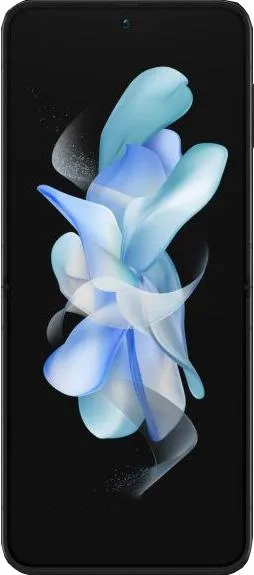
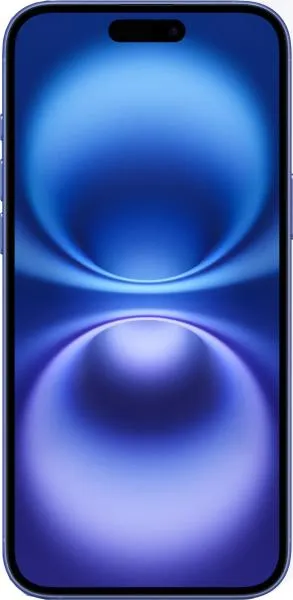
| Dimensions | 165.1 x 71.9 x 6.9 mm (folded) | 160.9 x 77.8 x 7.8 mm | Flip5 significantly more compact when folded, pocketable; iPhone 16 Plus is a traditional large slab phone. |
| Weight | 187g | 199g | Negligible weight difference in practical use. |
| Foldable | Yes | No | Flip5 offers unique form factor and functionality; iPhone 16 Plus offers a larger, uninterrupted screen. |
| Display | |||
| Display Type | Foldable Dynamic AMOLED 2X | Super Retina XDR OLED | Both offer excellent color accuracy and contrast; Flip5's folding mechanism introduces a crease. |
| Size | 6.7" | 6.7" | Same screen size when unfolded. |
| Resolution | 1080 x 2640 | 1290 x 2796 | iPhone 16 Plus has a sharper display due to higher pixel density (460 ppi vs 425 ppi). Noticeable in detailed images and text. |
| Refresh Rate | 120Hz | Not specified | 120Hz on Flip5 provides smoother scrolling and animations. Lack of information on iPhone 16 Plus refresh rate hinders comparison. |
| Peak Brightness | 1750 nits | 2000 nits (HBM), 1000 nits (typical) | Flip5 should offer excellent outdoor visibility; iPhone 16 Plus likely brighter in HDR content with higher peak brightness but typical brightness is lower. |
| Performance | |||
| Chipset | Snapdragon 8 Gen 2 (4nm) | Apple A18 (3nm) | Both are flagship chipsets promising top-tier performance. A18 likely has an edge in raw power and efficiency due to newer fabrication process. Real-world difference may be minimal for average users. |
| CPU | Octa-core (1x3.36 GHz Cortex-X3 & 2x2.8 GHz Cortex-A715 & 2x2.8 GHz Cortex-A710 & 3x2.0 GHz Cortex-A510) | Hexa-core (2x4.04 GHz + 4x2.20 GHz) | Core configuration differences are less relevant than overall performance, which will be excellent on both. |
| GPU | Adreno 740 | Apple GPU (5-core) | Both GPUs will handle demanding games and tasks with ease. Cross-platform comparisons are difficult without benchmarks. |
| RAM | 8GB | 8GB | Same RAM capacity should provide ample multitasking capabilities. |
| Battery | |||
| Capacity | 3700 mAh | 4674 mAh | iPhone 16 Plus has a significantly larger battery, likely translating to longer battery life. |
| Other | |||
| OS | Android 13 (upgradable to 14) | iOS 18 | Different operating systems cater to different user preferences and ecosystems. |
| Storage | 512GB | 256GB/512GB | Flip5 offers only one storage option while iPhone 16 Plus offers two, providing flexibility. |
2. Key Differences Analysis
Samsung Galaxy Z Flip5 Advantages:
- Portability: The foldable design makes it significantly more compact.
- Unique Functionality: Flex Mode enables unique camera angles and hands-free video calls.
- High Refresh Rate: Smoother scrolling and animations.
Apple iPhone 16 Plus Advantages:
- Larger Battery: Potentially significantly longer battery life.
- Sharper Display: Higher resolution leads to more detailed visuals.
- Potentially More Powerful Chipset: Apple's A18 Bionic chip is expected to outperform the Snapdragon 8 Gen 2.
3. User Profiles & Recommendations
Samsung Galaxy Z Flip5: Ideal for users who prioritize portability and appreciate the novelty of a foldable phone. Best for those constantly on the go who value pocket space.
Apple iPhone 16 Plus: Suitable for users who prioritize battery life, a large screen for media consumption, and prefer the iOS ecosystem. Best for power users and those who want a traditional smartphone experience.
4. Decision Framework
Key Questions for Buyers:
- Form Factor Priority: Do you value ultimate portability (Flip5) or a larger, uninterrupted screen (iPhone 16 Plus)?
- Ecosystem Preference: Are you invested in the Android or iOS ecosystem?
- Battery Life Importance: Is all-day battery life a critical requirement?
My Choice: Apple iPhone 16 Plus
While the Z Flip5's foldable design is intriguing, the iPhone 16 Plus better suits my needs. I prioritize battery life and a large, high-resolution display for media consumption and productivity. The expected performance gains from the A18 chip and the seamless integration within the Apple ecosystem are also compelling factors. While I acknowledge the portability advantage of the Flip5, the significantly larger battery and sharper display of the iPhone 16 Plus outweigh the benefits of a foldable phone for my personal use. The lack of specified refresh rate for the iPhone is concerning, but I anticipate Apple maintaining its usual high standards.
