1. Specifications Comparison
| Feature | Samsung Galaxy Z Flip5 | Apple iPhone 16 | Practical Impact |
|---|---|---|---|
| Design | |||
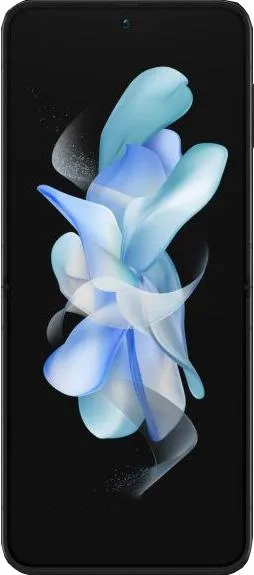
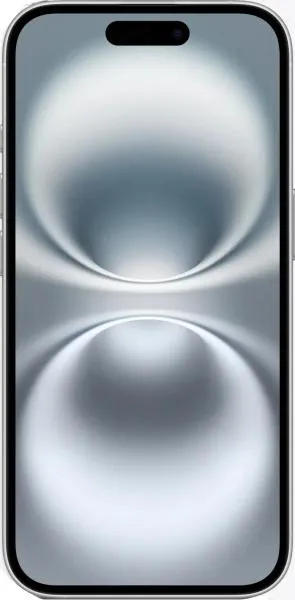
| Form Factor | Foldable | Standard | Flip5 offers portability and a unique form factor, potentially attracting users who value compactness. iPhone 16 offers a traditional slab design. |
| Dimensions (mm) | 165.1 x 71.9 x 6.9 (folded) | 147.6 x 71.6 x 7.8 | Flip5 is significantly smaller when folded, fitting easily into pockets. iPhone 16 is thinner when unfolded. |
| Weight (g) | 187 | 170 | Flip5 is slightly heavier but the weight difference is minimal in practical use. |
| Display | |||
| Display Type | Foldable Dynamic AMOLED 2X | Super Retina XDR OLED | Flip5's foldable screen allows for a larger display in a smaller device. Both offer excellent color and contrast with OLED technology. |
| Size (inches) | 6.7 | 6.1 | Flip5 provides more screen real estate for media consumption and multitasking. |
| Resolution | 1080 x 2640 | 1179 x 2556 | Both offer sharp displays; differences in resolution are negligible in day-to-day use. |
| Refresh Rate (Hz) | 120 | Not specified | 120Hz on the Flip5 results in smoother animations and scrolling compared to a standard 60Hz likely on the iPhone 16 (though not confirmed). |
| Peak Brightness (nits) | 1750 | 2000 (HBM), 1000 (typical) | Flip5 offers excellent outdoor visibility. iPhone 16's typical brightness is lower but boasts a higher peak brightness for HDR content, though specific HBM trigger conditions are unknown. |
| Performance | |||
| Chipset | Snapdragon 8 Gen 2 (4nm) | Apple A18 (3nm) | Both chipsets are top-of-the-line, promising excellent performance. A18's 3nm process suggests potential efficiency and performance advantages, but real-world benchmarks are needed. |
| CPU | Octa-core (1x3.36 GHz Cortex-X3 & 2x2.8 GHz Cortex-A715 & 2x2.8 GHz Cortex-A710 & 3x2.0 GHz Cortex-A510) | Hexa-core (2x4.04 GHz + 4x2.20 GHz) | Core configuration differences are less important than overall performance which requires real-world testing. |
| GPU | Adreno 740 | Apple GPU (5-core) | Both GPUs should handle demanding games and applications. Cross-platform comparisons are difficult without benchmarks. |
| RAM | 8GB | 8GB | Both phones have ample RAM for multitasking. |
| Battery | |||
| Capacity (mAh) | 3700 | 3561 | Flip5 has a slightly larger battery. Real-world battery life depends on usage and software optimization. |
| Other | |||
| OS | Android 13 | iOS 18 | OS preference is subjective. Android offers more customization, while iOS is known for its simplicity and tight ecosystem. |
| Storage | 512GB | 256GB/512GB | Flip5 offers only a 512GB option while iPhone 16 has more storage tier options. |
| Price Range | Medium | Medium | Both phones fall in the same price range, suggesting comparable value propositions. |
2. Key Differences Analysis
Samsung Galaxy Z Flip5 Advantages:
- Foldable Design: Increased portability and novelty.
- Larger Display: Better for media consumption and multitasking.
- Higher Refresh Rate: Smoother scrolling and animations.
- Slightly larger battery: Potentially longer battery life.
Apple iPhone 16 Advantages:
- Potentially More Powerful Chipset: A18's 3nm process hints at performance and efficiency gains.
- Higher Peak Brightness (HBM): Brighter display for HDR content under specific conditions.
- More Storage Options: Provides flexibility for users with varying storage needs.
Trade-offs:
- Flip5: Durability of the folding screen remains a concern, though improvements have been made. The crease might be noticeable for some users.
- iPhone 16: Lacks the novelty and portability of a foldable design. Missing refresh rate specification makes direct comparison difficult.
3. User Profiles & Recommendations
Samsung Galaxy Z Flip5: Ideal for users who prioritize portability and a unique form factor. Suitable for those who value a large screen for media consumption and multitasking in a compact device.
Apple iPhone 16: Suitable for users who prefer a traditional smartphone design with a focus on performance and potentially longer software support. Good choice for users entrenched in the Apple ecosystem.
4. Decision Framework
Key Questions for Buyers:
- Form Factor Preference: Do you prioritize portability and a foldable design or a traditional smartphone experience?
- Ecosystem Preference: Are you invested in the Android or iOS ecosystem?
- Performance Needs: Do you require the absolute best performance, or is a good balance of performance and other features sufficient?
Scenario-Based Recommendations:
- User prioritizing portability: Choose the Galaxy Z Flip5.
- User prioritizing performance and staying within the Apple ecosystem: Choose the iPhone 16.
- User wanting the largest display possible: Choose the Galaxy Z Flip5.
My Choice: Apple iPhone 16
While the Z Flip5's foldable design is intriguing, I prioritize raw performance and a refined user experience. The A18 chip's potential performance advantage, coupled with iOS's optimization and longer software support cycle, makes the iPhone 16 more appealing to me. Although specific details on the iPhone 16's display refresh rate and brightness activation are missing, the reported peak brightness suggests a superior HDR experience. Ultimately, my decision hinges on the expectation of a more powerful and polished overall experience, even acknowledging the Flip5's innovative form factor. I am also less interested in the foldable form factor's benefits and more focused on a smooth and powerful user experience, which I anticipate more from the iPhone.
