1. Specifications Comparison
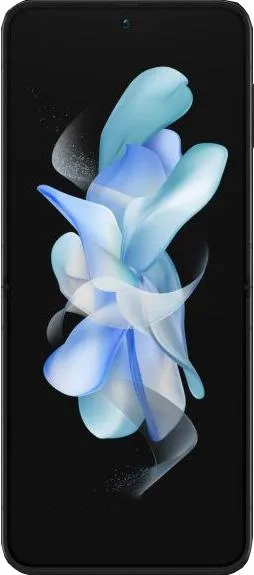
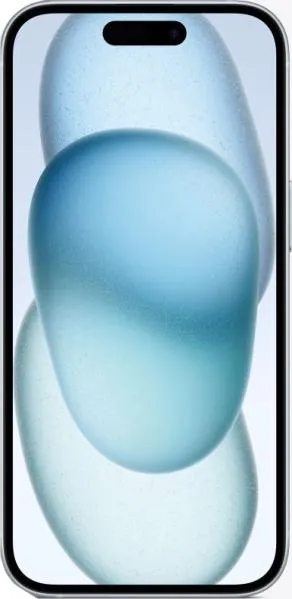
| Feature | Samsung Galaxy Z Flip5 | Apple iPhone 15 | Practical Impact |
|---|---|---|---|
| Design | |||
| Dimensions | 165.1 x 71.9 x 6.9 mm (folded) | 147.6 x 71.6 x 7.8 mm | Flip5 significantly more compact when folded, pocketable; iPhone 15 traditional slab design. |
| Weight | 187g | 171g | Flip5 slightly heavier, but foldable design may be worth the trade-off for portability. |
| Foldable | Yes | No | Flip5 offers unique form factor, compact when folded, larger screen when unfolded; iPhone 15 standard form factor. |
| Display | |||
| Display Type | Foldable Dynamic AMOLED 2X | Super Retina XDR OLED | Both offer vibrant colors and deep blacks. AMOLED generally has better power efficiency. Foldable display introduces a crease. |
| Display Size | 6.7" | 6.1" | Flip5 provides larger screen real estate for media consumption and multitasking; iPhone 15 more one-hand friendly. |
| Resolution | 1080 x 2640 | 1179 x 2556 | Comparable sharpness; iPhone 15 slightly higher pixel density (461 vs 425 ppi), but difference negligible in real-world use. |
| Refresh Rate | 120Hz | Unspecified (Likely 60Hz) | 120Hz on Flip5 provides smoother scrolling and animations; impacts gaming and overall UI fluidity. Lack of iPhone 15 refresh rate spec limits comparison. |
| Peak Brightness | 1750 nits | 2000 nits | iPhone 15 boasts higher peak brightness for better outdoor visibility. |
| Performance | |||
| Chipset | Snapdragon 8 Gen 2 | Apple A16 Bionic | Both are flagship chipsets offering top-tier performance. A16 generally benchmarks higher in raw performance, but real-world differences may be minimal for average users. |
| CPU | Octa-core (1x3.36 GHz Cortex-X3 & 2x2.8 GHz Cortex-A715 & 2x2.8 GHz Cortex-A710 & 3x2.0 GHz Cortex-A510) | Hexa-core (2x3.46 GHz Everest + 4x2.02 GHz Sawtooth) | Both CPUs deliver excellent performance. Architectural differences make direct comparison challenging without benchmarks. |
| GPU | Adreno 740 | Apple GPU (5-core graphics) | Both GPUs handle demanding games and tasks. Apple's GPU often excels in graphics benchmarks, but real-world gaming experience depends on optimization. |
| RAM | 8GB | 6GB | Flip5 offers more RAM, potentially improving multitasking performance and app retention in the background. |
| Battery | |||
| Capacity | 3700 mAh | 3349 mAh | Flip5 has a larger battery capacity, potentially offering longer battery life. However, foldable displays often consume more power. |
| Other | |||
| OS | Android 13 | iOS 17 | Different operating systems cater to different preferences and ecosystems. |
| Storage | 512GB | 256GB/512GB | Flip 5 offers only 512GB in this comparison; iPhone 15 has options, potentially affecting price. |
2. Key Differences Analysis
Samsung Galaxy Z Flip5 Advantages:
- Foldable Design: Compactness and novelty.
- Larger Display: Better for media consumption and multitasking.
- Higher Refresh Rate: Smoother user experience.
- More RAM: Improved multitasking.
- Larger Battery: Potential for longer battery life.
Apple iPhone 15 Advantages:
- Higher Peak Brightness: Superior outdoor visibility.
- Potentially Higher Raw Performance: A16 Bionic's benchmark results generally exceed Snapdragon 8 Gen 2.
- iOS Ecosystem: Tight integration with other Apple devices.
- Storage Options: Offers more flexibility in choosing storage capacity.
3. User Profiles & Recommendations
Samsung Galaxy Z Flip5: Ideal for users who value portability and a unique form factor, prioritize a large screen when needed, and enjoy the flexibility of a foldable device. Suitable for social media enthusiasts, content creators who benefit from the FlexCam feature, and those who want a compact phone without sacrificing screen size.
Apple iPhone 15: Suitable for users who prioritize performance, a seamless user experience within the Apple ecosystem, and value a bright display for outdoor use. Ideal for users deeply invested in the Apple ecosystem, those who prioritize simplicity and ease of use, and mobile photographers/videographers leveraging Apple's computational photography capabilities.
4. Decision Framework
Key Questions for Buyers:
- Form Factor Priority: Do you prioritize portability and a unique foldable design or a traditional slab phone?
- Ecosystem Preference: Are you invested in the Android or iOS ecosystem?
- Specific Use Cases: What tasks will you primarily use your phone for (e.g., social media, gaming, photography)?
My Choice: Apple iPhone 15
While the Z Flip5's foldable design is intriguing, the iPhone 15 better suits my needs. I prioritize a seamless user experience, and being already invested in the Apple ecosystem, iOS is my preferred operating system. The A16 Bionic's consistent performance and Apple's focus on software optimization are crucial for me. While the Flip5 offers a larger display and higher refresh rate, the iPhone 15's brighter display is more valuable for outdoor use, a common scenario for me. Although lacking specific refresh rate information for the iPhone 15 is a limitation, historical data suggests it likely operates at 60Hz, which is acceptable for my use. Ultimately, the iPhone 15's overall performance, ecosystem integration, and bright display outweigh the benefits of the Flip5's foldable design for my personal use case.
