Samsung Galaxy Z Flip4 vs. Xiaomi Redmi Note 13 Pro+: A Tech Journalist's Deep Dive
The foldable smartphone arena heats up as Samsung's established Galaxy Z Flip4 faces off against the Xiaomi Redmi Note 13 Pro+, a powerful contender boasting impressive specs on paper. Let's dissect these devices, translating the technical jargon into real-world implications for you.
1. Specifications Breakdown
| Feature | Samsung Galaxy Z Flip4 | Xiaomi Redmi Note 13 Pro+ | Real-World Implications |
|---|---|---|---|
| Design | |||
| Form Factor | Foldable | Slab | Portability vs. Screen Real Estate |
| Dimensions (mm) | 165.2 x 71.9 x 6.9 | 161.4 x 74.2 x 8.9 | Pocket-ability and One-Handed Use |
| Weight (g) | 187 | 199 | Comfort during extended use |
| Display | |||
| Size (inches) | 6.7 | 6.67 | Content Consumption and Immersiveness |
| Resolution (px) | 1080 x 2640 | 1220 x 2712 | Sharpness and Detail |
| Panel Type | Foldable Dynamic AMOLED 2X | AMOLED C7 | Color Accuracy, Brightness, Viewing Angles |
| Refresh Rate (Hz) | 120 | 120 | Smoothness and Responsiveness |
| Peak Brightness (nits) | 1200 | 1800 | Outdoor Visibility |
| Performance | |||
| Chipset | Snapdragon 8+ Gen 1 | Dimensity 7200 Ultra | Speed, Efficiency, Gaming |
| CPU | Octa-core (Cortex-X2, A710, A510) | Octa-core (Cortex-A715, A510) | Multitasking and App Performance |
| GPU | Adreno 730 | Mali-G610 MC4 | Graphics Performance |
| RAM (GB) | 8 | 8/12/16 | Multitasking Capability |
| Camera | |||
| Main Camera (MP) | 12.2 | 200 | Image Quality and Detail |
| Ultrawide (MP) | 13 | 8 | Field of View |
| Selfie Camera (MP) | 10 | 16 | Self-Portrait Quality |
| Video Recording | 4K@60fps | 4K@30fps | Video Quality and Resolution |
| Battery Life | |||
| Capacity (mAh) | 3700 | 5000 | Usage Time Between Charges |
| Fast Charging | 25W | 120W | Charging Speed |
2. Key Insights
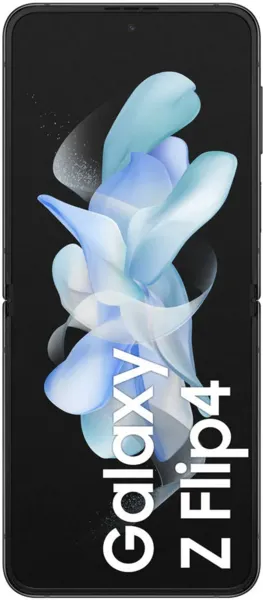
Design and Portability: The Z Flip4's defining feature is its foldable design, making it incredibly compact when closed. While the Redmi Note 13 Pro+ offers a larger display in its traditional slab form, it sacrifices portability. The Flip4's unique design makes it a conversation starter and incredibly pocket-friendly. The Redmi, while slim, won't offer the same compact experience.
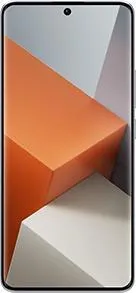
Display Quality: While both phones offer 120Hz refresh rates for smooth scrolling, the Redmi Note 13 Pro+ boasts a higher resolution and significantly brighter display, reaching a peak brightness of 1800 nits compared to the Flip4's 1200 nits. This translates to a sharper, more vibrant image, especially noticeable outdoors. However, the Flip4's foldable AMOLED panel delivers rich colors and deep blacks characteristic of Samsung displays. You'll notice the Redmi's extra brightness in direct sunlight, while the Flip4 will shine in vibrant color reproduction.
Performance Prowess: The Snapdragon 8+ Gen 1 in the Z Flip4, while a generation older than the Dimensity 7200 Ultra in the Redmi Note 13 Pro+, is still a performance powerhouse. Benchmarks suggest a slight edge to the Snapdragon in raw CPU performance. However, the Dimensity 7200 Ultra, combined with up to 16GB of RAM in the Redmi, might offer better sustained performance and efficiency in certain tasks. In day-to-day use, both phones should handle demanding apps and multitasking with ease. Gamers might lean towards the Snapdragon for its established gaming performance.
Camera Capabilities: The Redmi Note 13 Pro+ boasts a massive 200MP main sensor, dwarfing the Flip4's 12MP sensor. While megapixels don't tell the whole story, the Redmi likely captures more detail and offers greater flexibility in cropping and zooming. However, Samsung's image processing is renowned for its natural color reproduction and dynamic range. The Flip4 also boasts superior video recording capabilities with 4K@60fps. You'll enjoy the Redmi's high-resolution photos for detailed landscapes and large prints, while the Flip4 will excel in well-balanced shots and smooth, high-quality video.
Battery Endurance and Charging: The Redmi Note 13 Pro+ takes the crown in battery capacity with a 5000mAh battery and blazing-fast 120W charging. The Flip4's 3700mAh battery is smaller, reflecting its compact size, and charges at a comparatively slower 25W. Heavy users will appreciate the Redmi's all-day battery life and incredibly fast charging speeds, while the Flip4 might require more frequent top-ups.
3. User Profiles and Recommendations
Z Flip4: Ideal for style-conscious users who prioritize portability and compactness without compromising on flagship performance. Excellent for social media enthusiasts who leverage the FlexCam for creative content creation.
Redmi Note 13 Pro+: A powerhouse for users who demand long battery life, fast charging, and a large, vibrant display for media consumption and gaming. The high-resolution camera appeals to photography enthusiasts.
4. Buying Decision Framework
Do you prioritize portability and a unique design above all else? If yes, the Z Flip4 is your clear winner.
Is battery life and a large, bright display your top priority? The Redmi Note 13 Pro+ excels in these areas.
What's your budget? The Redmi Note 13 Pro+ generally offers better value in terms of raw specifications for the price.
My Choice: The Xiaomi Redmi Note 13 Pro+
While I find the Z Flip4's foldable design incredibly appealing, as a tech journalist who heavily relies on my phone for content creation and communication, the Redmi Note 13 Pro+ aligns better with my needs. The combination of a larger, brighter display, significantly longer battery life, incredibly fast charging, and a high-resolution camera makes it a productivity powerhouse. The performance difference between the two chipsets is negligible in everyday use, and the Redmi's value proposition is hard to beat. While I admire the Flip4's innovation, the Redmi's practical advantages make it the more compelling choice for my usage scenario. The ability to quickly recharge the large battery and capture detailed photos and videos outweighs the novelty of a folding phone for my workflow.
