Samsung Galaxy Z Flip4 vs. Xiaomi Redmi Note 13 4G: A Detailed Comparison
The foldable smartphone market continues to evolve, with devices like the Samsung Galaxy Z Flip4 pushing boundaries. Meanwhile, traditional smartphones like the Xiaomi Redmi Note 13 4G offer compelling features at competitive price points. Let's dissect these two phones to see how they stack up in real-world usage.
1. Specifications Breakdown
| Feature | Samsung Galaxy Z Flip4 | Xiaomi Redmi Note 13 4G | Real-World Implications |
|---|---|---|---|
| Design | |||
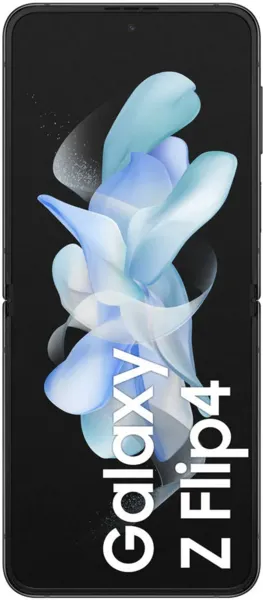
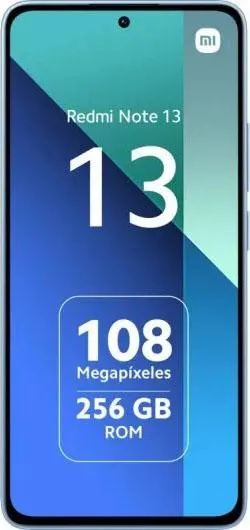
| Form Factor | Foldable Clamshell | Candybar | Flip4 offers portability and a unique form factor; Note 13 4G is a traditional slab phone. |
| Dimensions (mm) | 165.2 x 71.9 x 6.9 | 162.3 x 75.6 x 8 | Flip4 is more compact when folded; Note 13 4G is thinner when unfolded. |
| Weight (g) | 187 | 188.5 | Negligible weight difference. |
| Display | |||
| Size (inches) | 6.7 | 6.67 | Nearly identical screen real estate. |
| Resolution (px) | 1080 x 2640 | 1080 x 2400 | Flip4 has a slightly taller aspect ratio. |
| Panel Type | Foldable Dynamic AMOLED 2X | AMOLED | Flip4's foldable display offers durability and crease resistance advancements. |
| Refresh Rate (Hz) | 120 | 120 | Both offer smooth scrolling and animations. |
| Performance | |||
| Chipset | Snapdragon 8+ Gen 1 | Snapdragon 685 | Flip4 boasts significantly faster processing power for demanding tasks and gaming. |
| CPU | Octa-core (3.19 GHz) | Octa-core (2.8 GHz) | Flip4's CPU offers superior performance in multitasking and demanding applications. |
| RAM (GB) | 8 | 8 | Both have ample RAM for smooth operation. |
| Camera | |||
| Main Camera (MP) | 12.2 | 108 | Note 13 4G has a higher megapixel count, but image quality depends on sensor size and processing. |
| Video Recording | 4K@60fps | 1080p@30fps | Flip4 offers superior video resolution and frame rate. |
| Battery Life | |||
| Capacity (mAh) | 3700 | 5000 | Note 13 4G has a significantly larger battery capacity, likely resulting in longer battery life. |
| Charging | 25W Fast Charging | 33W Fast Charging | Note 13 4G offers faster charging speeds. |
2. Key Insights
- Performance: The Snapdragon 8+ Gen 1 in the Flip4 dramatically outperforms the Snapdragon 685 in the Note 13 4G. This translates to a smoother, more responsive experience in demanding tasks, gaming, and multitasking.
- Display: While both offer 120Hz AMOLED displays, the Flip4's foldable screen technology is a significant differentiator. The dynamic AMOLED 2X panel delivers vibrant colors and improved durability.
- Camera: The Flip4 focuses on quality over sheer megapixel count with its 12MP main sensor, offering superior video capabilities. The Note 13 4G's 108MP sensor might capture more detail in stills under ideal conditions, but real-world performance will depend on processing and software.
- Battery: The Note 13 4G's larger 5000mAh battery and faster 33W charging give it a clear advantage in battery life and charging speed. The Flip4's smaller battery capacity is a trade-off for its compact foldable design.
3. User Profiles and Recommendations
- Flip4: Ideal for users who prioritize portability, a unique design, and top-tier performance. Content creators who leverage the FlexCam feature for unique shooting angles will also appreciate the Flip4.
- Note 13 4G: Best suited for budget-conscious users who prioritize battery life and a large screen for media consumption. Casual users who primarily use their phones for social media, browsing, and light gaming will find the Note 13 4G a good fit.
4. Buying Decision Framework
- Is a foldable design a priority? If yes, the Flip4 is the clear choice.
- What is your budget? The Note 13 4G offers excellent value for its price, while the Flip4 commands a premium for its foldable technology.
- What are your most important use cases? If performance and a unique mobile experience are paramount, choose the Flip4. If battery life and affordability are key, the Note 13 4G is the better option.
My Choice: The Samsung Galaxy Z Flip4
While the Redmi Note 13 4G offers impressive specs for the price, I would choose the Samsung Galaxy Z Flip4. The innovative foldable design, combined with the powerful Snapdragon 8+ Gen 1 processor, creates a truly unique and enjoyable mobile experience. I value the compact portability and the FlexCam functionality, which opens up creative possibilities for photography and videography. The superior display quality and overall performance outweigh the trade-offs in battery life for my usage patterns. While the price premium is significant, I believe the Flip4's innovative features and flagship-level performance justify the investment.
