Samsung Galaxy Z Flip4 vs. Xiaomi Redmi Note 13: A Detailed Comparison
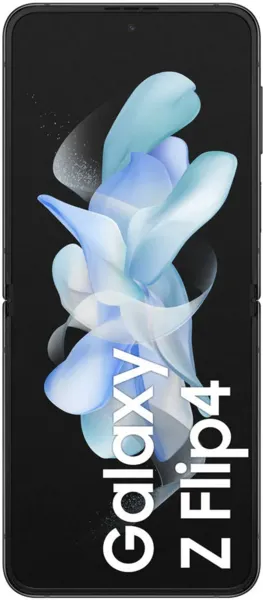
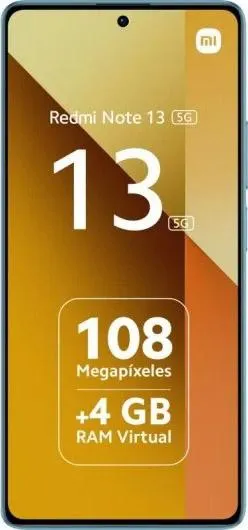
The Samsung Galaxy Z Flip4 and the Xiaomi Redmi Note 13 represent two distinct approaches to the modern smartphone. One prioritizes cutting-edge design and flagship-level performance in a compact, foldable form factor, while the other focuses on delivering solid value and long-lasting battery life. Let's dissect their specifications and uncover what these differences mean for you.
1. Specifications Breakdown
| Feature | Samsung Galaxy Z Flip4 | Xiaomi Redmi Note 13 | Real-World Implications |
|---|---|---|---|
| Design | |||
| Form Factor | Foldable | Standard Slab | Flip4 offers portability and a unique "wow" factor; Note 13 is more conventional |
| Dimensions (mm) | 165.2 x 71.9 x 6.9 | 161.1 x 75 x 7.6 | Flip4 is significantly more compact when folded; Note 13 is thinner when unfolded |
| Weight (g) | 187 | 174.5 | Flip4 feels denser; Note 13 is lighter in hand |
| Display | |||
| Size (inches) | 6.7 | 6.67 | Negligible difference in screen real estate |
| Resolution (px) | 1080 x 2640 | 1080 x 2400 | Flip4 has a slightly taller aspect ratio; both are sharp and vibrant |
| Type | Foldable Dynamic AMOLED 2X | AMOLED | Flip4's foldable screen technology offers durability and unique functionality |
| Refresh Rate (Hz) | 120 | 120 | Both offer smooth scrolling and responsive gaming experiences |
| Performance | |||
| Chipset | Snapdragon 8+ Gen 1 | Dimensity 6080 | Flip4 provides significantly faster processing and graphics performance |
| CPU | Octa-core (up to 3.19 GHz) | Octa-core (up to 2.4 GHz) | Flip4 handles demanding tasks and multitasking with greater ease |
| RAM (GB) | 8 | 8,12 | Note 13 Offers More RAM options for enhanced multitasking |
| Camera | |||
| Main Camera (MP) | 12 | 108 | Note 13 boasts higher resolution; Flip4 likely offers better image quality overall |
| Video Recording | Up to 4K@60fps | Up to 1080p@30fps | Flip4 supports higher resolution and frame rate video recording |
| Battery Life | |||
| Capacity (mAh) | 3700 | 5000 | Note 13 offers significantly longer battery life |
2. Key Insights
- Performance: The Flip4's Snapdragon 8+ Gen 1 significantly outperforms the Redmi Note 13's Dimensity 6080, making it ideal for demanding tasks and gaming. The Note 13 offers ample performance for everyday use but will show its limitations under heavy load.
- Form Factor: The Flip4's foldable design is its defining feature. It provides unparalleled portability and a unique user experience. However, the crease in the folding display is noticeable. The Note 13 offers a traditional slab design, which may be preferred by some for its simplicity and familiarity.
- Camera: While the Redmi Note 13 boasts a 108MP main sensor, megapixels don't tell the whole story. The Flip4's camera system, combined with its superior processing power, likely produces higher-quality images and videos overall, especially in low light. It also offers superior video recording capabilities.
- Battery Life: The Redmi Note 13's massive 5000mAh battery easily outlasts the Flip4's 3700mAh battery. If all-day battery life is a priority, the Note 13 is the clear winner.
3. User Profiles and Recommendations
- Flip4: Best suited for users who value portability, cutting-edge technology, and a unique design. Ideal for those constantly on the move, social media enthusiasts, and those who want a phone that makes a statement.
- Note 13: Best suited for users who prioritize battery life, value, and a large screen. Ideal for students, budget-conscious buyers, and those who consume a lot of media on their phones.
4. Buying Decision Framework
- Is portability your top priority? If yes, the Flip4's compact foldable design is unmatched.
- Do you need the absolute best performance? If yes, the Flip4's flagship-level processor delivers.
- Is battery life your biggest concern? If yes, the Note 13's 5000mAh battery wins out.
My Choice: Samsung Galaxy Z Flip4
While the Redmi Note 13 offers excellent value and battery life, I would choose the Samsung Galaxy Z Flip4. The innovative foldable design, combined with the powerful Snapdragon 8+ Gen 1 processor and superior camera system, outweighs the battery life advantage of the Note 13 for me. I value the portability and unique user experience the Flip4 provides, and I'm willing to compromise slightly on battery life to get it. The Flip4 aligns more with my personal tech preferences, which lean towards innovation and performance in a compact form factor. Moreover, having a more powerful processor ensures the phone will remain relevant and performant for a longer period, justifying the higher price point in the long run.
