Samsung Galaxy Z Flip4 vs. Xiaomi Redmi Note 12S: A Detailed Comparison
The Samsung Galaxy Z Flip4 and the Xiaomi Redmi Note 12S represent two distinct approaches to the mid-range smartphone market. One offers cutting-edge foldable technology, while the other focuses on delivering solid performance at an affordable price. Let's delve into a comprehensive comparison to determine which device reigns supreme.
1. Specifications Breakdown
| Feature | Samsung Galaxy Z Flip4 | Xiaomi Redmi Note 12S | Real-World Implications |
|---|---|---|---|
| Design | |||
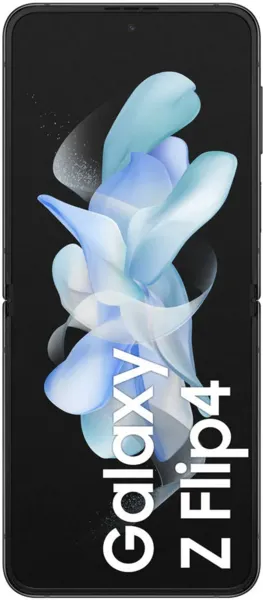
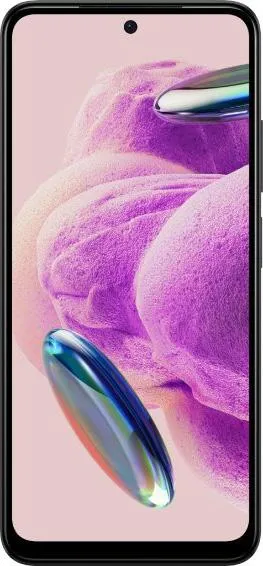
| Form Factor | Foldable | Standard Slab | Flip4 offers portability and a unique form factor; Note 12S provides a familiar, larger screen experience. |
| Dimensions (mm) | 165.2 x 71.9 x 6.9 | 159.9 x 73.9 x 8.1 | Flip4 is significantly more compact when folded; Note 12S is thinner when unfolded. |
| Weight (g) | 187 | 176 | Flip4 feels premium despite the folding mechanism; Note 12S is lighter overall. |
| Display | |||
| Size (inches) | 6.7 | 6.43 | Both offer ample screen real estate for media consumption and multitasking. |
| Resolution (px) | 1080 x 2640 | 1080 x 2400 | Flip4 has a slightly higher pixel density due to the taller aspect ratio; both are sharp. |
| Refresh Rate (Hz) | 120 | 90 | Flip4 provides smoother scrolling and animations; Note 12S offers a balance between smoothness and battery life. |
| Panel Type | Foldable Dynamic AMOLED 2X | AMOLED | Flip4 delivers vibrant colors and deep blacks with HDR10+; Note 12S offers a good AMOLED experience. |
| Performance | |||
| Chipset | Snapdragon 8+ Gen 1 | Helio G96 | Flip4 boasts significantly higher CPU and GPU performance for demanding tasks and gaming. |
| RAM (GB) | 8 | 6/8 | Flip4's larger RAM ensures smoother multitasking and app switching. |
| Camera | |||
| Main Camera (MP) | 12 | 108 | Note 12S has a higher resolution sensor; Flip4 likely offers better image quality due to superior processing. |
| Video Recording | Up to 4K@60fps | Up to 1080p@30fps | Flip4 offers significantly better video recording capabilities with higher resolution and frame rates. |
| Battery Life | |||
| Capacity (mAh) | 3700 | 5000 | Note 12S has a much larger battery capacity, potentially lasting longer on a single charge. |
| Charging | 25W Wired, 15W Wireless | 33W Wired | Note 12S charges faster with wired charging; Flip4 offers wireless charging convenience. |
2. Key Insights
The Galaxy Z Flip4 excels in performance, display quality, and overall camera experience. The foldable design offers a unique proposition for portability and style. However, it comes with a higher price tag and a smaller battery.
The Redmi Note 12S shines in battery life and affordability. While its performance and camera capabilities are respectable for its price range, they don't match the Flip4's flagship-level experience.
3. User Profiles and Recommendations
Z Flip4: Ideal for users who prioritize portability, cutting-edge technology, and a premium experience. Content creators, professionals, and trendsetters will appreciate its compact form factor and powerful capabilities.
Note 12S: Best suited for budget-conscious users who value long battery life and a large screen for media consumption. Students, casual users, and those seeking a reliable daily driver without breaking the bank will find this device appealing.
4. Buying Decision Framework
- Is a foldable design a priority? If yes, the Z Flip4 is your only option.
- What's your budget? The Note 12S offers excellent value for its price, while the Flip4 commands a premium.
- What are your primary use cases? For demanding tasks, gaming, and content creation, the Flip4 is superior. For casual use, media consumption, and long battery life, the Note 12S is a solid choice.
My Choice: Samsung Galaxy Z Flip4
While the Redmi Note 12S offers great value, I would choose the Galaxy Z Flip4. The innovative foldable design genuinely enhances portability without sacrificing screen size. The superior performance, vibrant display, and better camera system cater to my needs as a tech enthusiast and content creator. Although the battery life is a trade-off, the overall experience and unique form factor of the Flip4 outweigh this drawback for me. The faster refresh rate display is a must-have for me, and I value the overall premium feel and powerful chipset. While the Note 12S is a great phone for its price, the Flip4 offers a more compelling and future-forward mobile experience that aligns with my personal preferences.
